Gastric balloon side effects and recovery: Clinical expectations and safety guidance
Gastric balloon side effects and recovery usually involve the greatest discomfort during the first several days, followed by gradual improvement as the stomach adapts. Nausea, cramping, bloating, reflux, vomiting, and reduced appetite are commonly reported early effects, while hydration, prescribed medicines, dietary progression, and follow-up shape the recovery process. 1
Why side effects occur after placement
An intragastric balloon is a temporary silicone device placed inside the stomach and filled with saline or another approved filling material. It occupies space, promotes earlier fullness, and changes how much food the stomach comfortably holds. The stomach can respond to this foreign object with nausea, pressure, altered emptying, cramping, bloating, or acid reflux, particularly during the first 48 to 72 hours. These symptoms do not automatically indicate a complication, but their severity and direction over time matter. 2
- Nausea and stomach cramps are among the most frequently described early effects. 3
- Vomiting, abdominal discomfort, reflux, constipation, and throat irritation from endoscopy may also occur. 3
- Symptoms commonly improve within several days to about two weeks as adaptation occurs. 1
Typical recovery timeline
The immediate recovery period includes observation after sedation, followed by rest at home in many cases. Fatigue, grogginess, and a sore or irritated throat may occur shortly after endoscopy. The first three to five days are generally the most active adjustment phase, with nausea, cramping, bloating, and fullness often most noticeable then. Many people resume light daily activities within 24 to 72 hours, although work and exercise timing depends on symptoms, job demands, and clinical advice. 2
- First days: rest, prescribed symptom control, small fluid sips, and monitoring for dehydration.
- First week: nausea often begins settling, while food and activity advance cautiously. 11
- Following weeks: eating patterns become more established, but follow-up remains necessary for nutrition and symptom review. 10
Diet and hydration during recovery
Diet progression is usually staged rather than immediate. Clinical instructions commonly move from clear fluids to fuller liquids, then soft foods and balanced solid meals as tolerated. Small, frequent sips are emphasized because large gulps can trigger vomiting when the stomach is sensitive. Remaining semi-upright after drinking may help fluid movement, while the treating team may prescribe anti-nausea or acid-suppression medicines. Individual instructions can differ according to balloon type, symptoms, and medical history. 6
- Prioritize the fluid plan provided by the bariatric team and monitor whether fluids remain down. 7
- Advance texture only according to clinical guidance rather than appetite alone.
- Follow nutrition counseling after the initial transition, because the device is intended to support sustained eating and behavior changes. 6
Activity, medication, and follow-up
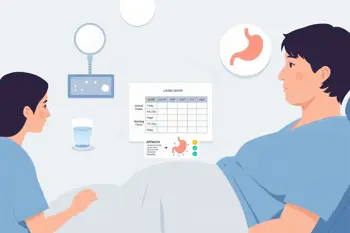
Recovery from placement differs from recovery after bariatric surgery because there are no abdominal incisions or permanently altered anatomy. Rest is generally advised during the first day, followed by light walking when tolerated. Exercise is typically resumed progressively as nausea, cramping, and fatigue improve. Medicines may be used for nausea, spasms, reflux, or pain, but selection and dosing should come from the treating clinician. Regular follow-up allows the team to assess hydration, dietary tolerance, weight change, and behavioral adaptation. 8
- Light activity may help reduce bloating and support comfort during early recovery. 10
- Persistent symptoms may require adjustment of medication, diet, or monitoring.
- Long-term results depend on nutrition, physical activity, behavioral support, and medical follow-up, not the balloon alone. 9
Warning signs requiring medical review
Expected discomfort should generally trend downward. Severe or worsening abdominal pain, repeated vomiting, inability to keep fluids down, fever, dehydration, trouble swallowing, chest pain, or breathing difficulty requires prompt medical assessment. These symptoms can reflect complications or a level of intolerance that needs active treatment. Dehydration is particularly important because ongoing vomiting and inadequate fluid intake can worsen weakness and may require clinical intervention. 1
- Seek urgent medical advice for persistent vomiting or inability to maintain hydration. 2
- Report severe pain, fever, chest symptoms, breathing difficulty, or swallowing problems without waiting for routine follow-up. 2
- Do not assume that prolonged or worsening symptoms are a normal adjustment response.
Rare complications and safety limitations
Serious complications are uncommon but can include balloon deflation or migration, bowel obstruction, stomach injury, ulceration, perforation, pancreatitis, bleeding, infection, and severe dehydration. Regulatory safety communications have also addressed risks associated with rapid inflation or deflation of certain liquid-filled balloon systems. The specific risk profile depends on the device, placement method, patient factors, and monitoring arrangements, so the treating clinician remains the appropriate source for device-specific instructions. 4
- Eligibility may be affected by previous stomach or esophageal surgery, digestive conditions, pregnancy, or other medical factors. 9
- Screening and structured follow-up are safety requirements, not optional additions.
- The balloon is temporary, with some models remaining in place for about six months and others for six to 12 months. 10
Removal and longer-term recovery
Placement recovery is only one phase of treatment. Removal is performed endoscopically according to the device schedule, after which eating habits and weight-management routines still require attention. The balloon does not permanently change stomach anatomy and is not a standalone cure for obesity. Nutrition education, physical activity, behavioral therapy, and continuing medical follow-up are central to maintaining progress after removal. 5
- Ask the clinical team which removal date and preparation instructions apply to the specific balloon.
- Continue structured eating and activity habits after removal rather than treating removal as the end of care.
- Review any persistent reflux, pain, vomiting, or swallowing difficulty before removal planning.
Sources
- Acibadem Hospitals Group, Gastric Balloon Side Effects: What Is Normal and What Needs Medical Review
- Acibadem Hospitals Group, Gastric Balloon Recovery: Week-by-Week Timeline
- BariatricsMD, Gastric Balloon Side Effects and Recovery Guide
- U.S. Food and Drug Administration, Safety Communication on Intragastric Balloon Systems
- Cleveland Clinic, Gastric Balloon
- Johns Hopkins Medicine, Intragastric Balloon
- Penn Medicine, Gastric Balloon
- Mount Sinai, Gastric Balloon Placement Recovery
- Acibadem Hospitals Group, Gastric Balloon Risks and Side Effects Explained by Surgeons
- Ceyhun Aydoğan, Gastric Balloon Recovery: Timeline, Diet, and Weight Loss
- Liv Hospital, Gastric Balloon Recovery and Prevention
Authored by MyTrendSpot team