Ways to manage migraine pain at home: An overview of evidence-based self-care strategies
Understanding the Nature of Migraine Attacks
Migraines are complex neurological events that extend far beyond the scope of a typical headache, often manifesting as throbbing or pulsing pain on one side of the head 3. This condition frequently involves accompanying symptoms such as nausea, dizziness, sensitivity to light, sound, and smell, as well as cognitive difficulties like brain fog 2. Research indicates that migraines affect approximately 12% of the American population, with women being three times more likely to experience them than men 3. Because these episodes can last anywhere from four hours to three days, establishing a consistent management plan is essential for individuals who suffer from recurring attacks 7.
Environmental Adjustments for Sensory Relief
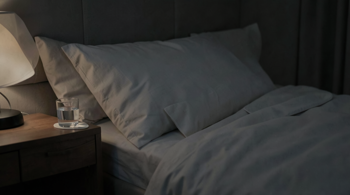
When a migraine attack begins, reducing sensory input is a primary strategy for pain management at home 1. Sensory overload from bright lights, loud noises, and even strong odors can exacerbate the intensity of the neurological distress 2. Many individuals find relief by retreating to a dark, quiet, and cool room to rest 5. Minimizing environmental stimuli allows the nervous system to settle, which is a fundamental component of acute care during an active episode 1. If isolation is not entirely possible, even small efforts to lower ambient noise and dim artificial lighting can provide modest improvements in comfort 1.
Temperature and Physical Therapy Techniques
Temperature therapy is a common non-pharmacological method used to modulate pain signals during a migraine 6. Applying cold packs, chilled washcloths, or specialized migraine caps to the forehead or the back of the neck can provide a numbing sensation, which may help constrict blood vessels and offer localized relief 2. Conversely, some individuals report that heat therapy-such as the use of heating pads or warm showers-helps relax tense neck and shoulder muscles that often accompany a migraine attack 1. Experimenting with these methods can help determine which temperature application is most effective for specific pain patterns 5.
Medication Timing and Pharmacological Considerations
Pharmacological intervention remains a cornerstone of migraine management, but the timing of administration is critical for efficacy 1. Clinical guidelines emphasize that acute medications, including over-the-counter painkillers like ibuprofen, naproxen, or acetaminophen, are most effective when taken at the very first sign of an attack 4. For those prescribed specific migraine abortive medications like triptans, delaying treatment can significantly reduce the success rate of the drug; studies suggest that effectiveness may drop from 85% to roughly 30-35% if the medication is withheld for several hours 2. Frequent use of pain relievers, however, should be monitored to avoid the risk of medication overuse headaches 5.
Hydration and Nutritional Support
Maintaining proper hydration is a vital aspect of managing migraine triggers, as dehydration is a frequently cited factor in the onset of attacks 2. At the first sign of symptoms, sipping water or electrolyte-balanced fluids is often recommended to support physiological balance 2. Regarding diet, some evidence suggests that magnesium supplementation, or incorporating magnesium-rich foods like nuts and leafy greens, may assist in reducing the overall frequency and intensity of migraines for certain patients 11. Conversely, individuals should be aware of dietary triggers, which may include aged cheeses, chocolate, processed meats, and products containing monosodium glutamate (MSG) 3.
Lifestyle Management and Integrative Approaches
Beyond acute intervention, long-term management involves addressing lifestyle factors and integrating supportive techniques. Relaxation strategies, including deep breathing, progressive muscle relaxation, or meditative practices, can help lower physiological stress levels, a major trigger for the majority of migraine patients 7. Additionally, ginger-whether in tea or supplement form-is often used to manage the nausea and vomiting associated with severe attacks 11. While not a replacement for medical treatment, these strategies function as supportive measures that can improve quality of life and potentially shorten the duration of an attack 6.
| Management Category | Strategy | Focus |
|---|---|---|
| Environmental | Resting in a dark, quiet room | Reduce sensory input |
| Temperature | Cold packs or heating pads | Physical pain modulation |
| Pharmacological | Timely OTC or prescription use | Acute symptom reduction |
| Dietary | Hydration and Magnesium | Trigger prevention |
| Behavioral | Relaxation and Sleep hygiene | Stress and trigger reduction |
Sources
- Mayo Clinic: https://www.mayoclinic.org/diseases-conditions/migraine-headache/in-depth/migraines/art-20047242
- The Well by Northwell: https://thewell.northwell.edu/brain-nerve-health/how-to-get-rid-of-a-migraine-fast
- MedlinePlus: https://medlineplus.gov/migraine.html
- NHS Inform: https://www.nhsinform.scot/illnesses-and-conditions/brain-nerves-and-spinal-cord/migraine-treatment-and-prevention/
- The Migraine Trust: https://migrainetrust.org/live-with-migraine/self-management/coping-with-a-migraine-attack/
- Acibadem Hospitals Group: https://acibademinternational.com/health-library/migraine-relief-medicines-home-remedies-and-what-works-best-for-different-attacks/
- Medanta: https://www.medanta.org/patient-education-blog/home-remedies-for-migraines-natural-ways-to-get-relief
- Patient Info: https://patient.info/features/brain-nerves/how-to-get-rid-of-a-migraine-at-home
- Acibadem Hospitals Group: https://acibademinternational.com/health-library/cure-a-migraine-naturally-a-complete-medical-overview/
- American Family Physician: https://www.aafp.org/afp/2026/0200/practice-guidelines-acute-migraine-treatment
- General Research Data Synthesis: Healthline, WebMD, Migraine Research Foundation, NIH, Johns Hopkins Medicine, Medical News Today, Harvard Health
Authored by MyTrendSpot team