Affordable molar dental implants near me: A consumer research guide
Searching for affordable molar dental implants near me usually reflects two practical questions: whether an implant can restore chewing function and how the full treatment cost can be evaluated responsibly. A molar implant replaces the tooth root with a titanium or ceramic post and supports a custom crown, but treatment planning, healing, imaging, and possible bone grafting can affect both timing and expense. 1
What a molar implant involves
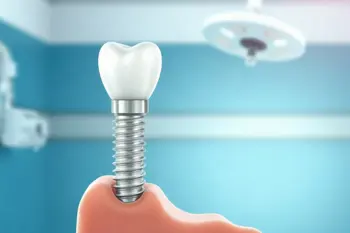
A molar implant is designed to replace a missing back tooth by placing a titanium or ceramic post in the jawbone and later attaching a permanent crown. The implant functions as an artificial root, while the crown restores the visible chewing surface. Dental implants may help provide a stable chewing base, limit jawbone loss associated with missing teeth, and reduce movement of neighboring teeth. 1
Implant treatment is commonly completed in stages rather than during one uninterrupted appointment. The implant must integrate with the surrounding bone before the final crown is connected, so the overall process can take several months. A clinical assessment determines whether extraction, gum treatment, bone grafting, or other preparation is needed before or during implant placement. 2
Why prices vary between nearby offices
A quoted implant price may represent only the surgical post, or it may include the consultation, three-dimensional imaging, extraction, grafting, abutment, crown, sedation, and follow-up appointments. These components should be identified separately because a lower initial figure may omit procedures that become necessary after examination. Practices also differ in laboratory arrangements, imaging methods, clinician involvement, and financing terms. 3
Published examples illustrate how pricing is often presented, but they are not universal market rates. One implant practice advertises financing beginning at $189 per month, subject to credit approval, while a specialist consultation elsewhere is listed at $99 and includes a CBCT scan. A South Carolina practice describes a consultation package with three-dimensional images and a cost breakdown. These figures represent individual office policies, not a guaranteed total for a molar case. 4
Eligibility and preparation requirements
Suitability depends on more than the presence of a missing tooth. A dentist or oral health specialist typically evaluates gum health, jawbone volume, medical conditions, and oral hygiene before recommending implant treatment. Adequate bone is needed to stabilize the post. When bone has deteriorated after tooth loss, grafting may be considered, although that adds treatment steps, healing requirements, and cost. 5
Healing can also be influenced by smoking, uncontrolled diabetes, and other health factors. A complete medical and dental history helps the clinician assess surgical risk and the likelihood of successful integration. Patients should ask which provider will perform surgery, who will design the crown, what imaging is included, and how complications or adjustments are handled. These questions clarify clinical responsibility as well as the financial scope of care. 6
Insurance and public coverage limits
Original Medicare generally does not cover routine dental services or most dental implants, so Medicare beneficiaries should distinguish federal Medicare coverage from any separate Medicare Advantage dental benefit. Adult Medicaid dental coverage is optional and varies by state, meaning implant eligibility, annual limits, and covered alternatives can differ substantially by location. Written benefit details are more reliable than assumptions based on enrollment alone. 7
Private dental plans may also impose annual maximums, waiting periods, missing-tooth clauses, or exclusions for implants. A benefit summary should be checked for the implant post, crown, extraction, bone grafting, diagnostic imaging, and sedation as separate items. The dental office and insurer may estimate patient responsibility, but the final amount can change if clinical findings require additional treatment. 7
Lower-cost care pathways and search methods
Community health centers are one possible source of lower-cost dental services because federally supported centers generally use sliding-fee arrangements based on household income and family size. Dental school clinics may also provide reduced-fee treatment performed by supervised students, although availability, eligibility, wait times, and whether implant surgery is offered differ by school. These settings may not provide every stage of complex implant care in one location. 8
Location research can begin with the ADA Find-a-Dentist directory, which allows searches for practices by geographic area, and the American Dental Education Association directory, which identifies dental schools and affiliated clinics. Dental Lifeline Network describes donated dental services for qualifying older adults, people with disabilities, and medically fragile individuals. Eligibility screening is required, and these programs should not be assumed to have immediate openings or implant availability. 9
Questions to ask before accepting a quote
A useful comparison focuses on the complete treatment plan rather than the advertised starting figure. The written estimate should identify the implant brand or material, crown material, diagnostic scans, surgical guide, extraction, grafting, abutment, sedation, temporary tooth, follow-up visits, and correction policy. It should also state whether the quoted amount applies to one molar and whether treatment is performed by a general dentist, oral surgeon, or periodontist. 3
- Ask how long healing is expected to take and when the final crown is planned.
- Ask whether gum disease or bone loss must be treated first.
- Ask what happens if the implant does not integrate with the jawbone.
- Ask whether financing is subject to credit approval, interest, fees, or a required down payment.
- Ask how routine cleaning, crown repairs, and long-term maintenance are handled.
Implants are intended as durable tooth replacements, but durability depends on oral hygiene, professional maintenance, gum health, biting forces, and general health. Some clinical sources report that implants are likely to last at least 25 years in many cases with proper care, while no treatment eliminates the possibility of complications, crown wear, infection, or additional procedures. 1
Risks, maintenance, and realistic expectations
Replacing a molar can restore chewing function, but treatment involves surgery, healing, and ongoing care. Risks may include infection, inadequate bone integration, damage to surrounding structures, or the need for additional grafting or revision. The appropriate option may instead be a bridge or removable denture, depending on bone condition, adjacent teeth, health history, preferences, and clinical findings. 10
Maintenance does not end when the crown is placed. Daily oral hygiene and professional examinations help protect the gums and the implant area, while dental teams can monitor changes in the crown, bite, and surrounding bone. A responsible comparison therefore weighs clinical qualifications, diagnostic completeness, written inclusions, coverage rules, financing terms, and long-term follow-up rather than treating the lowest advertised figure as the full cost. 5
Sources
- Aspen Dental, Molar Implants: Key Information Before You Decide
- Cleveland Clinic, Dental Implants
- 5D Smiles, Are Affordable Dental Implants Safe?
- More Smiles Dental, Dental Implants Portland TX
- National Institute of Dental and Craniofacial Research, Dental Implants
- American Dental Association MouthHealthy, Dental Implants
- Medicare.gov and Medicaid.gov, Dental Coverage Information
- Health Resources and Services Administration, What Is a Health Center?
- American Dental Education Association and Dental Lifeline Network, Dental Care Resources
- Affordable Dentist Near Me, Dental Implants for Molars in Tyler
Authored by MyTrendSpot team