Warning signs of diabetes: A clinical guide to symptoms and testing
Warning signs of diabetes include increased urination, unusual thirst, increased hunger, fatigue, blurred vision, unexplained weight loss, slow-healing sores, and recurring infections. These symptoms can have other causes, and some people, particularly those with type 2 diabetes, have no noticeable symptoms, so clinical blood testing is needed for confirmation. 1
Common warning signs to recognize
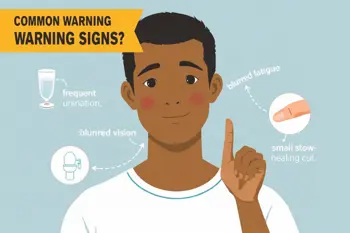
Frequent urination and persistent thirst are closely related signs. When blood glucose rises, excess sugar may leave the body through urine, drawing additional water with it. The resulting fluid loss can lead to stronger thirst and more bathroom visits, including at night. A noticeable change from a person’s usual urination pattern is more relevant than a fixed number of daily visits, because drinking habits and other health conditions can also affect frequency. 34
Other commonly reported symptoms include feeling very hungry even after eating, ongoing fatigue, and blurred vision. Hunger may occur because glucose is not being used effectively by the body’s cells, while fatigue can reflect inadequate energy availability. High blood glucose can also affect the eye’s lens and temporarily alter focus. None of these symptoms alone establishes diabetes, but several persistent symptoms together warrant discussion with a primary health care professional. 13
Weight changes, wounds, and infections
Unexplained weight loss is especially important when it occurs alongside thirst and frequent urination. In type 1 diabetes, the body may have little or no insulin, limiting access to glucose and contributing to the breakdown of fat and muscle for energy. Type 1 symptoms commonly develop quickly, over days or weeks, although adults can sometimes experience a slower and less specific pattern. 17
Diabetes may also be associated with sores that do not heal and recurring infections. The National Institute of Diabetes and Digestive and Kidney Diseases lists urinary tract infections, skin infections, and yeast infections among possible symptoms. Repeated infections or a minor wound that heals unusually slowly should not be interpreted as proof of diabetes, but they are reasons to seek medical assessment, particularly when combined with high-thirst or urinary symptoms. 16
How type 1 and type 2 patterns differ
Type 1 diabetes is often identified after symptoms become apparent, and its onset may be rapid. Children and young adults are frequently diagnosed, but type 1 diabetes can begin at any age. Children may urinate more often, eat more while losing weight, and become very thirsty over a short period. Adults can have less specific symptoms, meaning the condition may initially resemble type 2 diabetes. 1
Type 2 diabetes commonly develops more gradually, and insulin resistance can exist before symptoms appear. Early symptoms may include excessive thirst, hunger, urination, and blurred vision, but some people discover the condition during routine testing. Type 2 diabetes accounts for about 90% of diabetes cases among adults, according to the Merck Manual Consumer Version. 3
Additional physical clues and limitations
Numbness or tingling in the hands and feet can occur when elevated blood glucose has affected nerves over time. Darkened skin in folds such as the neck, armpits, or groin, known as acanthosis nigricans, may indicate insulin resistance. These findings are not exclusive to diabetes and cannot replace laboratory testing. They are best considered as information to share with a clinician, especially if other symptoms or risk factors are present. 89
Recurring yeast infections, gum problems, mood changes, and irritation may also be reported in connection with abnormal glucose levels, but these signs are nonspecific. Stress, sleep disruption, hormonal changes, urinary conditions, medication effects, and other illnesses can produce similar complaints. Because symptom-based self-diagnosis is unreliable, a pattern that persists or worsens should be evaluated rather than attributed automatically to diabetes. 110
Who should consider screening
Anyone experiencing symptoms of diabetes should be tested, according to NIDDK. Screening is also relevant for people without symptoms who have risk factors for type 2 diabetes, including a family history, prediabetes, polycystic ovary syndrome, gestational diabetes, or overweight or obesity. The provided University of Southern California report states that the American Diabetes Association recommends screening every adult by age 35. 24
Pregnancy creates a separate screening consideration because most pregnant women should be tested for gestational diabetes. Diabetes can affect anyone, while risk increases with certain family and metabolic factors. Regular primary care visits can identify abnormal glucose before obvious symptoms develop. The absence of warning signs therefore does not demonstrate that blood glucose is within a healthy range. 24
Testing and situations requiring urgent care
Diabetes, prediabetes, and gestational diabetes are diagnosed with blood tests that measure blood glucose, also called blood sugar. Tests may include an A1C assessment, depending on the clinical situation. An over-the-counter glucose meter can show a reading, but NIDDK states that such equipment cannot diagnose diabetes. Diagnosis and classification require interpretation by a qualified health professional. 25
Severe symptoms require a different level of attention than mild, gradual changes. Vomiting, confusion, dehydration, or trouble breathing can accompany serious high-glucose illness and require prompt medical care. Rapidly developing thirst, urination, and weight loss, especially in a child or young person, should also be treated as medically significant. Waiting for additional symptoms is not a reliable safety strategy when symptoms are severe or escalating. 110
Sources
- 1. National Institute of Diabetes and Digestive and Kidney Diseases, Symptoms & Causes of Diabetes, https://www.niddk.nih.gov/health-information/diabetes/overview/symptoms-causes
- 2. National Institute of Diabetes and Digestive and Kidney Diseases, Diabetes Tests & Diagnosis, https://www.niddk.nih.gov/health-information/diabetes/overview/tests-diagnosis
- 3. Merck Manual Consumer Version, Type 2 Diabetes Mellitus, https://www.merckmanuals.com/home/hormonal-and-metabolic-disorders/diabetes-mellitus-and-low-blood-sugar-hypoglycemia/type-2-diabetes-mellitus
- 4. MedicalXpress, Five warning signs of diabetes, https://medicalxpress.com/news/2026-01-diabetes.html
- 5. Acibadem Hospitals Group, Diabetes Symptoms: Common Causes, Related Conditions, and When to See a Doctor, https://acibademinternational.com/health-library/diabetes-symptoms-common-causes-related-conditions-and-when-to-see-a-doctor/
- 6. Centers for Disease Control and Prevention, diabetes symptoms information, as cited in the provided research data, https://www.cdc.gov/diabetes/basics/symptoms.html
- 7. American Diabetes Association, diabetes symptoms information, as cited in the provided research data, https://diabetes.org/about-diabetes/diabetes-symptoms
- 8. Cleveland Clinic, diabetes mellitus information, as cited in the provided research data, https://my.clevelandclinic.org/health/diseases/7104-diabetes-mellitus
- 9. Johns Hopkins Medicine, diabetes symptoms information, as cited in the provided research data, https://www.hopkinsmedicine.org/health/conditions-and-diseases/diabetes/diabetes-symptoms
- 10. NHS and Harvard Health Publishing information, as cited in the provided research data.
Authored by MyTrendSpot team