Warning signs of gastric ulcers: A clinical guide to symptoms and complications
Warning signs of gastric ulcers can range from burning upper-abdominal discomfort to nausea, early fullness, or no noticeable symptoms at all. The most serious indicators include vomiting blood, black or tar-like stools, sudden severe abdominal pain, dizziness, and fainting because these may signal bleeding or another complication. 1
Upper-abdominal pain and its pattern
Abdominal pain is the most common symptom associated with peptic ulcers, including gastric ulcers located in the stomach lining. The discomfort is usually felt in the upper abdomen, between the breastbone and belly button, and may be dull, burning, aching, or gnawing rather than sharply localized. Pain can come and go over time, so intermittent symptoms do not necessarily exclude an ulcer. 1
The timing of pain varies. Some people notice symptoms when the stomach is empty, between meals, or during the night, while others experience worsening discomfort after eating. Food may briefly relieve pain for some individuals but aggravate it for others. Because this pattern overlaps with gastritis, reflux, and other digestive disorders, pain alone cannot confirm a gastric ulcer. 2
Indigestion and changes after meals
Gastric ulcers may present as indigestion rather than obvious stomach pain. Reported symptoms include bloating, belching, nausea, heartburn, and a feeling of uncomfortable fullness after eating. Early satiety, meaning feeling full sooner than usual, can make ordinary meals difficult to finish. These symptoms reflect a group of upper-digestive complaints often described medically as dyspepsia. 3
Meal-related symptoms should be considered alongside their duration and progression. Repeated nausea, increasing bloating, or persistent discomfort can occur with an ulcer, but these signs are not specific to ulcer disease. The Canadian Digestive Health Foundation notes that among people with dyspepsia who undergo gastroscopy, about five to seven percent are found to have a peptic ulcer. 4
Nausea, vomiting, and reduced food intake
Nausea and vomiting are recognized possible symptoms of peptic ulcers. Vomiting can accompany upper-abdominal discomfort and may contribute to reduced food intake when eating repeatedly triggers symptoms. A person who feels full quickly, has persistent nausea, or finds it increasingly difficult to eat should have the symptoms medically assessed rather than assuming they are ordinary indigestion. 1
Repeated vomiting becomes especially concerning when it contains blood or material resembling coffee grounds. Bright-red blood suggests visible bleeding, while dark, grainy material may represent blood altered by stomach contents. Either appearance can indicate gastrointestinal bleeding and requires urgent medical evaluation. Vomiting blood should not be attributed to a routine stomach upset without professional assessment. 3
Bleeding signs that require urgent care
Black, sticky, or tar-like stools are a major warning sign because digested blood from the upper digestive tract can change stool color and texture. Red or maroon blood mixed with stool can also indicate bleeding. These findings may occur even when ulcer pain is mild or absent, and they warrant urgent medical attention rather than observation at home. 1
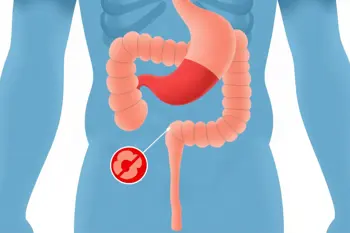
Blood loss may also produce dizziness, fainting, a rapid pulse, unusual weakness, or other symptoms of shock. Anemia, fatigue, loss of appetite, and weight loss are additional concerns reported in association with peptic ulcers, although they may also reflect other gastrointestinal conditions. The combination of bleeding signs with light-headedness or weakness increases the seriousness of the situation. 5
Sudden severe pain and possible perforation
A sudden, sharp, or severe abdominal pain that does not go away is different from intermittent indigestion and may indicate a serious ulcer complication. Perforation occurs when an ulcer creates a hole through the stomach or duodenal wall, allowing digestive contents to escape into the abdominal cavity. This is a medical emergency requiring immediate evaluation. 2
Possible perforation is particularly concerning when severe pain is accompanied by a rigid, tense, or markedly tender abdomen, worsening symptoms, faintness, or a rapid pulse. The American Society for Gastrointestinal Endoscopy identifies bleeding and perforation among important peptic-ulcer complications. The absence of previous ulcer symptoms does not rule out a complication because some ulcers remain silent until a serious event occurs. 8
Why symptoms can be missed or misinterpreted
Many people with peptic ulcers have no symptoms, and some do not develop noticeable warning signs until bleeding or another complication occurs. When symptoms are present, they can resemble reflux, gastritis, functional dyspepsia, or other digestive conditions. Consequently, symptom descriptions may raise concern but cannot establish the ulcer’s location, cause, depth, or severity. 1
The two leading causes identified in the research are Helicobacter pylori infection and regular use of nonsteroidal anti-inflammatory drugs, including aspirin, ibuprofen, and naproxen. Longer use or higher doses of these medicines increase concern, while smoking and excessive alcohol use are also reported risk factors. Stress and particular foods are not established as the usual primary causes of stomach ulcers. 3
When medical assessment is appropriate
Persistent symptoms, worsening pain, repeated vomiting, unexplained weight loss, early fullness, or difficulty maintaining food intake justify discussion with a healthcare professional. Evaluation may involve a review of medicines and symptoms, testing for H. pylori, and, in some cases, upper gastrointestinal endoscopy. The appropriate investigation depends on the individual presentation and the clinician’s assessment of risk. 6
Urgent care is appropriate for vomiting blood, coffee-ground vomit, black or tarry stools, red or maroon blood in stool, sudden severe abdominal pain, dizziness, fainting, a rapid pulse, or other shock symptoms. These signs can reflect bleeding or perforation, complications that may become dangerous without treatment. A change in established ulcer symptoms also merits prompt medical attention. 1
Sources
- National Institute of Diabetes and Digestive and Kidney Diseases, Symptoms & Causes of Peptic Ulcers
- Penn Medicine, Peptic Ulcer
- NHS inform, Stomach Ulcer
- Canadian Digestive Health Foundation, Peptic Ulcers: Causes, Risks, and Red-Flag Symptoms
- MedlinePlus, Peptic Ulcer
- Mayo Clinic, Peptic Ulcer: Symptoms and Causes
- MSD Manual, Peptic Ulcer Disease
- American Society for Gastrointestinal Endoscopy, Understanding Peptic Ulcer Disease
Authored by MyTrendSpot team