Top piano instructors near me: A comprehensive guide to selecting professional music education
Finding high-quality piano instruction involves navigating a diverse landscape of pedagogical styles, professional credentials, and logistical arrangements. Whether seeking private tutoring for children or structured development for adults, the process requires an understanding of how to evaluate instructor expertise against personal learning goals 1. This report outlines the criteria for identifying professional piano teachers, the variations in instructional formats, and the common administrative frameworks used in modern music education.
Evaluating Professional Credentials and Pedagogical Background
The caliber of a piano instructor is often defined by a combination of academic attainment, performance history, and specialized teaching certifications. Many elite instructors possess advanced degrees, such as a Doctor of Musical Arts or a Ph.D. in Ethnomusicology, which inform their ability to bridge technical precision with creative expression 2, 3. Beyond formal education, instructors associated with established organizations-such as the Music Teachers Association of California (MTAC) or those recognized as Steinway Educational Partners-frequently demonstrate a commitment to standardized curricula and ongoing professional development 4, 5.
When researching potential instructors, students should verify the educator's experience with specific methodologies, such as the Royal Conservatory of Music (RCM) or ABRSM grading systems 6, 7. Instructors with long-term teaching tenures often balance technical rigors like tonal control and ergonomic posture with personalized, student-centered goals 8, 9. Prospective students are encouraged to review an instructor's specific focus areas, as some professionals emphasize classical conservatory traditions while others specialize in contemporary genres, improvisation, or music technology 10.
Market Analysis of Instructional Rates and Logistics
The financial commitment for piano lessons in major metropolitan areas is typically influenced by the teacher's experience level, travel requirements, and the complexity of the curriculum. Industry averages for private instruction often range between $50 and $120 per hour, though rates vary significantly based on regional demand and the instructor's reputation within the local music community 11. For those seeking in-home services, additional travel fees are often applied to account for the instructor's transit time and logistical costs 12.
Most professional studios operate using consistent scheduling policies to ensure steady student progress. It is common for instructors to utilize 10-lesson packages or recurring weekly slots to maintain academic continuity 13. Some tutors offer a trial lesson, which serves as a vital diagnostic period. During this session, the teacher assesses the student's current proficiency, learning pace, and temperament, which helps determine whether the pedagogical style of the instructor aligns with the student’s long-term objectives 14.
Common Instructional Formats
Modern piano instruction is delivered through several distinct modalities, each offering unique advantages depending on the student's lifestyle and location. The primary formats include:
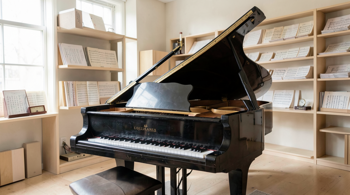
- In-Studio Lessons: Typically conducted in the instructor's private studio, often featuring high-quality acoustic instruments like Steinway grand pianos, which provide a professional acoustic environment 15.
- In-Home Tutoring: Preferred by families seeking privacy and convenience, this format requires the student to provide a well-maintained instrument at home 16.
- Remote Digital Lessons: Facilitated via video conferencing platforms, these lessons allow for greater geographical flexibility and are increasingly common among advanced students and adult learners 17.
Strategies for Vetting Private Instructors
Effective vetting involves utilizing professional registries and verified community feedback. Organizations such as the Music Teachers National Association (MTNA) maintain directories of accredited instructors who adhere to professional ethics and standards 18. University music departments can also serve as reliable resources, as many maintain lists of faculty or advanced graduate students offering private lessons to the public 19.
For a broader view, online marketplaces such as Thumbtack, TakeLessons, and Lessons.com provide platforms to compare individual profiles, hourly rates, and verified student testimonials 20, 21. When analyzing reviews, focus on reports regarding an instructor’s consistency, patience with specific age groups-such as early childhood beginners or adult returners-and their success in preparing students for performance milestones or standardized examinations 22, 23.
The Importance of Curriculum and Performance Opportunities
A structured approach to piano education often includes integrated theory, ear training, and sight-reading alongside technical repertoire. Teachers who host recurring student recitals provide a necessary platform for performance experience, which is essential for building confidence and discipline in younger students 24. These performances also serve as a barometer for student growth, allowing both parents and teachers to observe progress in areas such as stage presence and repertoire retention 25.
Advanced students may require specialized guidance for conservatory auditions or competitive examinations like those administered by the National Guild of Piano Teachers 26. For these goals, selecting an instructor with a proven track record in competition preparation and high-level performance is highly recommended. The most successful student-teacher pairings often result from clear, initial communication regarding expectations for practice time, repertoire selection, and the intended intensity of the musical study 27.
Administrative and Regulatory Realities
While independent instruction offers flexibility, students should remain mindful of the administrative realities involved in private music study. Most professional studios have clearly defined policies regarding cancellations, makeup lessons, and summer scheduling, which are typically outlined in an initial contract or studio policy document 28. Understanding these policies upfront prevents future friction and ensures a smooth relationship between the family and the educator 29.
Furthermore, because the private instruction market is largely decentralized, students must act as their own consumer advocates. This includes asking specific questions about the teacher's background, their philosophy on music theory integration, and their approach to supporting students who may struggle with specific technical challenges 30. By combining digital research tools with direct communication, prospective students can locate instructors whose expertise, availability, and pedagogical methods align with their specific musical aspirations 31.
Sources
- Music Teachers National Association (MTNA) - https://www.mtna.org
- Jay Lai Piano Lessons - https://jaylai.com/piano-lessons/
- Dr. Jixue Yang - https://yangjixue.com/dr-jixue-yang-journal-square-piano-lessons/
- Piano with Katarina - https://www.pianowithkatarina.com/
- Steinway & Sons Educational Partners - https://www.steinway.com
- The Royal Conservatory of Music - https://www.rcmusic.com
- Cecilia Lok Piano Instruction - https://www.glartent.com/US/South-San-Francisco/143185995714520/Piano-lesson-and-music-time-with-Cecilia-Lok
- Dr. Archie Chen Classical Piano - https://www.archiechen.com/spokane-piano-lessons/
- Kate Hokanson Piano Studio - https://www.linkedin.com/in/kate-hokanson-538a966
- Nathan Wasner Music Lessons - https://nathanwasner.com/piano-studio/
- Industry Average Rates and Market Trends - https://takelessons.com
- Travel Fee Policies in Music Instruction - https://lessons.com
- Studio Policy and Scheduling - https://yangjixue.com/dr-jixue-yang-journal-square-piano-lessons/
- Importance of Trial Lessons - https://www.wyzant.com/Tutors/CA/Pomona/10210852/
- Studio Environment Importance - https://www.steinway.com
- Jolynn J. Chin In-Home Instruction - https://jolynnjchin.com/piano-lessons-hnw/
- Remote Instruction Capabilities - https://takelessons.com
- MTNA Directory Services - https://www.mtna.org
- University Referral Lists - https://nationalguild.org
- Thumbtack Market Comparison - https://www.thumbtack.com
- Lessons.com Aggregation - https://lessons.com
- Superprof Review Systems - https://superprof.com
- Yelp Community Reviews - https://www.yelp.com
- Recital and Performance Value - https://nathanwasner.com/piano-studio/
- Performance Milestone Tracking - https://www.glartent.com/US/South-San-Francisco/143185995714520/Piano-lesson-and-music-time-with-Cecilia-Lok
- National Guild of Piano Teachers - https://pianoguild.com
- Setting Learning Objectives - https://www.archiechen.com/spokane-piano-lessons/
- Contractual Studio Policies - https://yangjixue.com/dr-jixue-yang-journal-square-piano-lessons/
- Administrative Best Practices - https://nathanwasner.com/piano-studio/
- Consumer Advocacy in Music Education - https://www.mtna.org
- Synthesized Market Trends - https://superprof.com
Authored by MyTrendSpot team