Common Symptoms of Hypothyroidism: A Clinical Overview of Underactive Thyroid Indicators
Understanding Hypothyroidism and Metabolic Slowdown
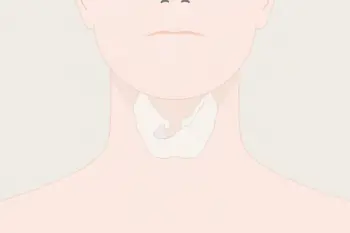
Hypothyroidism, clinically described as an underactive thyroid, occurs when the thyroid gland located at the front of the neck fails to produce a sufficient quantity of hormones to meet the body's functional requirements 2. These hormones are essential for regulating the speed of the body's chemical functions, collectively known as the metabolic rate 4. When production of thyroxine (T4) and triiodothyronine (T3) drops, nearly every organ system in the body experiences a decrease in operational speed, leading to the various physical and cognitive manifestations associated with the condition 2, 4.
Because the thyroid regulates such diverse processes as heart rate, calorie expenditure, heat production, and skin maintenance, the symptoms of hypothyroidism are often widespread rather than localized 4. The condition develops gradually, frequently manifesting over several years, which may cause individuals to overlook early warning signs as mere consequences of the aging process 1, 3. Recognizing these indicators early is vital, as untreated hypothyroidism can lead to secondary health concerns, including elevated cholesterol levels, heart disease, and significant metabolic disruptions 1, 9.
Common Early Clinical Indicators
In the initial stages, symptoms of hypothyroidism are often subtle, leading many individuals to attribute their experiences to lifestyle factors rather than glandular dysfunction 3. Fatigue and a persistent sense of tiredness are frequently reported as the primary clinical markers of the condition 1, 3. As the metabolic rate slows, the body struggles to maintain its standard energy requirements, which often results in unexplained weight gain or increased difficulty in managing body weight despite standard dietary habits 3, 4.
Sensitivity to cold temperatures is another classic symptom that emerges as the body's ability to produce heat is compromised by low hormone levels 1, 3. Patients often report feeling colder than their peers even in temperate environments, reflecting the systemic nature of the metabolic slowdown 4. Gastrointestinal motility is also affected by decreased thyroid hormone production, frequently leading to chronic or persistent constipation as the digestive system's pace is reduced 1, 3.
Dermatological and Musculoskeletal Manifestations
The impact of thyroid hormone deficiency extends to the skin, hair, and muscular structure of the body. Many patients experience dry or pale skin, which can become coarse or thickened over time as the condition progresses 1, 3. Thinning hair and the loss of eyebrow density are frequently noted, as the thyroid plays a critical role in the health and growth cycle of hair follicles 1, 3. Furthermore, fingernails may become brittle, serving as an additional visible marker of systemic hormone imbalance 3.
Musculoskeletal symptoms are also common in those with hypothyroidism. Patients often report muscle weakness, stiffness, and tenderness, particularly in the shoulder and hip regions 1. Joint pain is frequently associated with these physical symptoms, further contributing to a general reduction in physical activity and vitality 3. These issues are not localized to any specific age group but are particularly prevalent in older adults, where the symptoms can be difficult to distinguish from age-related physical decline 4, 7.
Cognitive and Neurological Observations
Beyond physical signs, hypothyroidism significantly impacts cognitive function and emotional well-being. Many patients report experiencing brain fog, which includes difficulty concentrating or persistent memory lapses 8. This cognitive slowing is often coupled with depressive moods or unexplained emotional changes that may appear independent of life events 1, 3. Speech patterns may also change, becoming slower or more labored, and the voice may occasionally become hoarse as the condition affects the throat and vocal cords 1, 4.
| Symptom Category | Specific Manifestations |
|---|---|
| Cognitive | Brain fog, memory impairment, difficulty concentrating |
| Emotional | Depression, mood swings |
| Vocal | Hoarse voice, slowed speech patterns |
Advanced Signs of Chronic Hypothyroidism
If the thyroid hormone deficiency remains untreated for an extended period, the body may show more pronounced or severe signs. Puffy facial features, particularly around the eyes, and swelling in the hands and feet can occur as fluids accumulate in tissues, a condition linked to severe hypothyroidism known as myxedema 1, 3, 4. The heart rate may also slow significantly, a condition termed bradycardia, which reflects the slowed pace of internal organ activity 1, 3.
Other late-stage indicators include a decrease in the ability to distinguish tastes and smells, as well as a reduction in core body temperature 3. The development of a goiter, which is an enlargement of the thyroid gland, can occur as the gland works harder to compensate for the insufficient production of hormones 3, 8. Women may also experience reproductive health challenges, including heavy or irregular menstrual cycles and potential complications with fertility or pregnancy if hormone levels remain unmanaged 1, 3, 8.
Risk Factors and Clinical Monitoring
Hypothyroidism affects individuals across all demographics, but certain groups face a higher risk. Research indicates that the condition is more common in women, individuals over the age of 60, and those with a history of thyroid dysfunction or radiation treatment to the neck or chest 2, 4. Additionally, family history of thyroid disease and certain autoimmune conditions, such as Hashimoto thyroiditis, are established risk factors that contribute to the destruction of thyroid gland cells over time 2, 4.
Diagnosis is routinely achieved through blood tests that measure thyroid-stimulating hormone (TSH) and free thyroxine (free T4) levels 1, 9. Managing the condition typically involves the administration of synthetic hormones, which must be monitored through ongoing medical consultations to ensure the dosage remains appropriate for the patient's changing metabolic needs 1, 9. Regular follow-up with healthcare providers is essential for resolving symptoms and avoiding the secondary health risks associated with chronic, untreated underactive thyroid conditions 3, 9.
Sources
- Mayo Clinic: https://www.mayoclinic.org/diseases-conditions/hypothyroidism/symptoms-causes/syc-20350284
- MedlinePlus: https://medlineplus.gov/hypothyroidism.html
- Penn Medicine: https://www.pennmedicine.org/conditions/hypothyroidism
- Merck Manual Consumer Version: https://www.merckmanuals.com/home/hormonal-and-metabolic-disorders/thyroid-gland-disorders/hypothyroidism
- JAMA Network: https://jamanetwork.com/journals/jama/fullarticle/2842702
- Merck Manual Professional Edition: https://www.merckmanuals.com/professional/endocrine-and-metabolic-disorders/thyroid-disorders/hypothyroidism
- MSD Manual Professional Edition: https://www.msdmanuals.com/professional/endocrine-and-metabolic-disorders/thyroid-disorders/hypothyroidism
- University Health: https://www.universityhealth.com/blog/hypothyroidism
- Acibadem Hospitals Group: https://acibademinternational.com/health-library/hypothyroidism-fatigue-weight-changes-blood-tests-and-treatment/
Authored by MyTrendSpot team