Understanding common kidney stone symptoms: A clinical overview of presentation and progression
The Pathophysiology of Renal Calculi
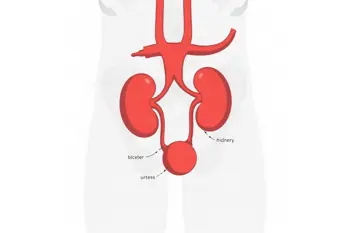
Kidney stones, medically referred to as renal calculi, nephrolithiasis, or urolithiasis, are solid masses composed of minerals and salts that precipitate from urine within the kidney 1. These formations occur when urine becomes concentrated, allowing substances like calcium, oxalate, and uric acid to crystallize and aggregate 2. While small stones may pass through the urinary tract undetected, larger deposits can become lodged in the ureter, the narrow tube connecting the kidney to the bladder 4. This obstruction blocks the natural flow of urine, leading to increased pressure and physical stress on the urinary system 10.
The Nature of Renal Colic
A primary clinical indicator of a kidney stone is the onset of renal colic, a term describing intense, wave-like pain that occurs as a stone moves through the ureter 3. This pain is often described as acute and severe, frequently fluctuating in intensity as the ureter muscles spasm in an attempt to dislodge the obstruction 1. The discomfort typically originates in the flank or back, specifically below the ribs, and may shift toward the lower abdomen and groin as the stone progresses downward 5. Patients often report that this pain is among the most debilitating sensations they have experienced 6.
Changes in Urinary Function
As stones move through the urinary tract, they frequently cause noticeable changes in urinary habits and appearance. Hematuria, or the presence of blood in the urine, is a common indicator, often presenting as pink, red, or brown discoloration 7. Additionally, individuals may experience a persistent, urgent need to urinate, even if the volume of urine produced is minimal 8. Burning sensations or significant discomfort during urination are also frequently reported, as the physical presence of a stone creates irritation within the urinary tract lining 9.
Systemic Indicators and Associated Symptoms
While pain and urinary changes are the most recognized signs of kidney stones, systemic symptoms can also arise, particularly when stones cause blockages or infections. Nausea and vomiting are common responses to the severity of renal colic, often resulting from the intensity of the abdominal pain and shared nerve pathways 10. Furthermore, if a stone causes a complete or partial blockage that prevents the passage of bacteria-laden urine, secondary infections may develop. In such instances, patients may notice cloudy or foul-smelling urine, which serves as a clinical marker for potential infection 7.
Clinical Risk Factors and Prevalence
Recent data indicates that the lifetime prevalence of nephrolithiasis has risen significantly, affecting approximately 11% of men and 7% of women in the United States 6. Recurrence remains a clinical challenge, with approximately 50% of individuals experiencing a second stone formation within ten years of the initial presentation 6. Factors such as dietary habits, body weight, and underlying health conditions play a critical role in the development of various stone types, including calcium oxalate, uric acid, struvite, and the rarer cystine stones 1, 2. Proper diagnosis often requires a comprehensive review of medical history to identify the specific etiology of stone formation 6.
Determining When to Seek Medical Evaluation
Distinguishing between the passing of a small stone and a serious medical complication is vital for patient safety. Symptoms such as fever and chills are considered red-flag indicators that require immediate medical attention, as they often suggest the presence of a severe infection associated with a urinary obstruction 10. While smaller stones-generally those under 1 cm-are more likely to pass naturally with increased hydration, the unpredictability of stone progression means that monitoring symptoms closely is recommended 8. When pain becomes unmanageable or is accompanied by systemic illness, clinical intervention is often necessary to prevent permanent damage to the renal system 1.
Sources
- Mayo Clinic: Kidney stones - Symptoms and causes
- National Kidney Foundation: Kidney Stone Symptoms, Treatments, and Ways to Lower Your Risk
- Health.com: Signs of Kidney Stones Everyone Should Know
- Catholic Health Long Island: Kidney Stones: Signs and Symptoms You Shouldn't Ignore
- The Urgency Room: Kidney Stone Symptoms & Relief Tips
- NCBI Bookshelf: Nephrolithiasis - Endotext
- Norman Urology Associates: 4 Early Signs of Kidney Stones
- Spokane Urology: Signs a Kidney Stone May Be Close to Passing
- KHC: What Are the First Signs of Kidney Stones?
- American Kidney Fund: Kidney stones - Symptoms and causes
Authored by MyTrendSpot team