Natural remedies for vertigo: An analysis of evidence-based lifestyle and therapeutic approaches
When an individual experiences the disorienting sensation of the room spinning or tilting while stationary, they are likely dealing with vertigo, a symptom rather than a singular condition 1, 2. Approximately 40% of U.S. adults encounter this destabilizing feeling at least once in their lifetime 2. Because vertigo often stems from internal mechanical issues within the vestibular system-which governs balance, eye movement, and spatial orientation-many people investigate non-pharmacological interventions to regain equilibrium 2, 8. Understanding the underlying mechanism of these episodes is the essential first step in determining which, if any, natural approaches may be appropriate 1, 4.
Mechanical Maneuvers for Vestibular Restoration
One of the most frequently identified causes of vertigo is Benign Paroxysmal Positional Vertigo (BPPV), a condition occurring when tiny calcium carbonate crystals, known as otoconia, become dislodged and migrate into the semicircular canals of the inner ear 1, 7. To address this, healthcare providers often recommend the Epley maneuver, a specific series of head and body movements designed to guide these crystals back into the appropriate section of the inner ear 1. Clinical data suggests this technique is effective for mechanical displacement, though it is only useful when the specific diagnosis is BPPV 7.
Beyond the Epley maneuver, the Semont-Weber maneuver serves as another physical therapy option for treating inner ear displacement 11. These physical repositioning techniques function by physically correcting the sensory mismatch between what the eyes see and what the inner ear detects, which is the primary driver of acute vertigo sensations 9. Because these movements require precision, it is standard for patients to be shown the technique by a medical professional before attempting it as a home-based remedy 1.
Botanical Interventions and Supplementation
Herbal and botanical supplements are increasingly studied for their potential to alleviate vestibular symptoms. Ginkgo biloba extract, specifically EGb 761, has been evaluated in clinical trials for patients suffering from vertigo and dizziness of various etiologies 3. Researchers have explored whether daily administration of this extract might improve symptom intensity, gait, and posture over a 12-week period 3. Some evidence suggests that Ginkgo biloba may assist by enhancing microcirculation and providing neuroprotective benefits to the inner ear and brain 5, 11.
Ginger root is another commonly cited remedy, primarily recognized for its anti-nausea properties rather than for correcting the underlying mechanical cause of vertigo 5, 7. Additionally, for those with recurrent BPPV, clinicians have observed that Vitamin D deficiency may be a contributing factor, and targeted supplementation is sometimes utilized to help reduce the frequency of future episodes for patients with confirmed insufficient levels 11.
| Natural Approach | Primary Mechanism |
|---|---|
| Epley/Semont Maneuvers | Physical repositioning of otoconia |
| Ginkgo Biloba | Improvement of cerebral microcirculation |
| Ginger Root | Reduction of vestibular-related nausea |
| Vitamin D | Correcting deficiencies linked to BPPV recurrence |
Lifestyle Modifications and Dietary Adjustments
Dietary habits play a significant role in managing vertigo, particularly when symptoms are linked to conditions such as Meniere’s disease, which involves fluid buildup in the inner ear 6. Reducing the intake of salt, caffeine, and alcohol can help manage fluid retention and minimize the frequency of episodes 5, 11. Maintaining consistent hydration is also identified as a critical factor, as dehydration can exacerbate blood pressure fluctuations and contribute to feelings of dizziness and unsteadiness 7, 11.
Stress reduction techniques are also viewed as a non-invasive way to manage vertigo, as chronic stress can influence the frequency of attacks in certain vestibular disorders 7, 11. Practitioners often suggest that individuals keep a trigger journal to identify specific dietary, environmental, or movement-based factors that precede their vertigo flares 7. Such records provide valuable data for clinicians to tailor long-term management plans that address the patient's unique health profile rather than relying on a generalized approach 4.
Clinical Considerations and Safety Protocols
While many natural interventions are available, the efficacy of these remedies is highly dependent on an accurate medical diagnosis 1. Because vertigo can be a symptom of conditions ranging from vestibular neuritis to traumatic brain injury, relying on home remedies without professional evaluation carries risks 2, 4, 6. Furthermore, herbal products may interact with existing medications, necessitating consultation with a healthcare provider before starting any new regimen 5, 8. Safety protocols suggest that individuals should refrain from performing mechanical maneuvers if their symptoms are accompanied by warning signs such as difficulty speaking, double vision, or limb weakness 7.
Understanding the Vestibular System
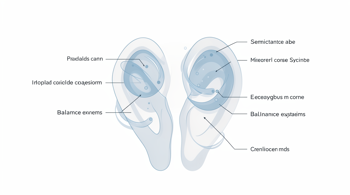
The vestibular system is a complex network involving the eyes, inner ear, and brain, all of which must communicate accurately to maintain balance 2, 9. When the semicircular canals or the vestibular nerve are affected by inflammation, viral infections, or trauma, the brain receives discordant signals, resulting in the sensation of motion when none exists 2, 4, 6. Addressing this condition involves more than just symptom management; it requires stabilizing the vestibular system's response to gravity and head rotation 2, 9. By combining physical therapy, dietary changes, and appropriate rest, patients can sometimes improve their vestibular stability and daily functionality 8, 11.
Sources
- Cleveland Clinic: Got Vertigo? Try These Home Remedies (https://health.clevelandclinic.org/vertigo-home-remedies)
- Prevention: Vertigo Treatment: Causes, Triggers, and Ways to Feel Less Dizzy (https://www.prevention.com/health/health-conditions/a70029335/how-to-treat-vertigo/)
- Frontiers in Pharmacology: Pragmatic open-label clinical trial investigating the treatment effects of Ginkgo biloba extract EGb 761 (https://www.frontiersin.org/journals/pharmacology/articles/10.3389/fphar.2026.1824426/full)
- Virtual Integrative Specialists: Natural Remedies for Vertigo Symptoms (https://seattle-naturopath.com/natural-remedies-for-vertigo-symptoms/)
- IJPS Journal: A Full Review of Herbal Remedies for Managing Different Types of Vertigo (https://www.ijpsjournal.com/article/A+Full+Review+of+Herbal+Remedies+for+Managing+Different+Types+of+Vertigo)
- Health Speak: 8 Natural Remedies for Vertigo: Home Treatment Guide (https://health-speak.com/health/natural-solutions-for-vertigo/)
- FactXTop: Natural Remedies to Treat Vertigo at Home (https://factxtop.com/natural-remedies-to-treat-vertigo-at-home/)
- Liv Hospital: The Best Natural Remedies for Vertigo Relief (https://int.livhospital.com/the-best-natural-remedies-for-vertigo-relief/)
- Biomedicus: How to get rid of intense vertigo fast using natural home remedies? (https://biomedicus.gr/natural-intense-vertigo-remedies/)
- Vestibular Disorders Association: Treatments for Vestibular Disorders (https://vestibular.org/article/diagnosis-treatment/treatments/vestibular-rehabilitation-therapy-vrt/)
- General Health Research (Mayo Clinic, NIH, Johns Hopkins, WebMD, Healthline, Verywell Health, MedlinePlus, Medical News Today)
Authored by MyTrendSpot team