Carpal Tunnel Symptoms: A Clinical Guide to Patterns, Severity, and Evaluation
Carpal tunnel symptoms commonly begin as intermittent numbness, tingling, or an electric-shock sensation in the hand. The typical pattern involves the thumb, index, middle, and ring fingers while often sparing the little finger, and symptoms may become more noticeable when holding a phone, steering wheel, or book or when sleeping. 1
What the symptoms indicate
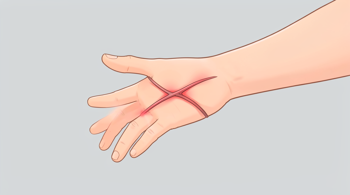
Carpal tunnel syndrome develops when pressure is placed on the median nerve inside the carpal tunnel, a narrow passageway on the palm side of the wrist. The median nerve supplies sensation to much of the hand and controls muscles involved in thumb pinching. Compression can therefore produce sensory symptoms first, followed by reduced hand strength or impaired thumb function as nerve involvement becomes more substantial. 1
Clinical descriptions commonly include intermittent hand pain, positional paresthesia, nocturnal dysesthesia, and subjective grip weakness. Pain or altered sensation can extend from the wrist into the palm or upward along the arm. Some people describe a swollen feeling in the fingers even when no visible swelling is present. 23
Recognizing the characteristic pattern
The most recognizable sensory distribution includes the thumb, index finger, middle finger, and the thumb-side portion of the ring finger. The little finger is usually not affected because it is not primarily supplied by the median nerve. Symptoms may occur in one or both hands and can fluctuate with wrist position or repeated gripping, typing, tool use, or other activities that provoke pressure in the tunnel. 13
Nighttime numbness is a particularly common feature. A person may awaken with tingling or loss of sensation, shake the hand to reduce the feeling, and then experience recurrence later. Holding a steering wheel, telephone, or book may also bring on symptoms. Over time, intermittent numbness can become persistent, indicating a need for clinical assessment rather than continued observation alone. 14
Weakness and functional changes
Median nerve compression can affect grip and pinch function. People may drop objects or have difficulty holding cups, tools, or other items, either because sensation is reduced or because the thumb’s pinching muscles are weaker. Fine motor activities may also become more difficult when numbness interferes with feedback from the fingers. These changes are more concerning when they interfere with ordinary activities or sleep. 13
Advanced compression may involve weakness or wasting in the thenar area at the base of the thumb. Clinical assessment may evaluate thumb strength, muscle bulk, sensory discrimination, and symptom reproduction with wrist maneuvers. Thenar atrophy is a severity marker and may indicate more substantial nerve dysfunction, so it should not be treated as an insignificant variation of occasional tingling. 6
How clinicians evaluate symptoms
Diagnosis begins with the symptom history and a physical examination. Clinicians consider whether the sensory changes follow the median nerve distribution, whether numbness is nocturnal, and whether wrist flexion or pressure over the carpal tunnel reproduces symptoms. Phalen testing involves wrist flexion, while Tinel testing involves tapping over the median nerve to provoke radiating tingling. Neither maneuver should be interpreted in isolation. 56
Electrodiagnostic studies may be used to confirm the diagnosis, assess severity, or investigate an uncertain presentation. Detailed studies have been reported with sensitivity of up to 95 percent, while ultrasound has emerged as a rapid, painless technique for evaluating the median nerve. Clinical prediction tools combine symptom patterns and examination findings, but results do not replace professional judgment or consideration of alternative diagnoses. 26
Conditions and circumstances linked to risk
Risk is influenced by wrist structure, repeated hand motions, and health conditions that can contribute to nerve compression or swelling. Reported associations include pregnancy, diabetes, rheumatoid arthritis, hypothyroidism, and amyloidosis. Repetitive typing, lifting, gripping, or tool use may trigger or intensify symptoms, although the presence of repetitive activity alone does not establish that carpal tunnel syndrome is the cause. 123
Symptoms that do not follow the median nerve pattern require particular care in interpretation. Possible alternatives include cervical radiculopathy, proximal median neuropathy, ulnar neuropathy, and generalized polyneuropathy. Pain, numbness, or weakness can also arise from other nerve or musculoskeletal problems. A complete history, examination, and risk assessment help distinguish carpal tunnel syndrome from these conditions rather than relying on a single self-test. 6
When persistent symptoms require assessment
Medical assessment is appropriate when numbness or pain disrupts sleep, interferes with daily activities, or is accompanied by hand weakness and dropping objects. Persistent sensory loss can signal progression from intermittent irritation to more sustained nerve dysfunction. Mayo Clinic notes that lasting nerve and muscle damage can occur without treatment, which makes symptom duration, functional impact, and examination findings important parts of the evaluation. 1
Management depends on severity and the underlying context. Conservative approaches described in the research include wrist splinting, ergonomic adjustments, and corticosteroid injections, while carpal tunnel release may be considered when conservative measures fail or when significant weakness or muscle atrophy is present. Treatment decisions require diagnosis and clinical judgment because ongoing symptoms may reflect another neuropathy or a broader medical condition. 26
Sources
- Mayo Clinic, Carpal tunnel syndrome: Symptoms and causes, https://www.mayoclinic.org/diseases-conditions/carpal-tunnel-syndrome/symptoms-causes/syc-20355603
- MedLink Neurology, Carpal tunnel syndrome, https://www.medlink.com/articles/carpal-tunnel-syndrome
- MU Health Care, Carpal Tunnel Syndrome, https://www.muhealth.org/conditions-treatments/orthopaedics/hand-and-wrist/carpal-tunnel-syndrome
- OU Health, Recognizing Early Signs of Carpal Tunnel, https://www.ouhealth.com/blog/2025/december/hands-deserve-healing-recognizing-early-signs-of/
- LITFL, Carpal Tunnel Syndrome signs, https://litfl.com/clinical-signs-in-carpal-tunnel-syndrome/
- MDCalc, Carpal Tunnel Syndrome-6, https://www.mdcalc.com/calc/10631/carpal-tunnel-syndrome-6-cts-6
Authored by MyTrendSpot team