Best long-term care rehabilitation facilities: A Comprehensive Analysis of Quality Standards and Facility Selection
Choosing an appropriate long-term care rehabilitation facility requires a thorough understanding of clinical standards, facility infrastructure, and quality assessment tools. For families and patients managing the transition from hospital to post-acute care, identifying a facility that aligns with specific health needs involves evaluating performance metrics, staffing levels, and independent accreditation status 1. This guide provides a neutral examination of the indicators that distinguish high-performing facilities across the nation.
Understanding Quality Metrics and Regulatory Oversight
The Centers for Medicare and Medicaid Services (CMS) maintains a standardized rating system that assigns facilities between one and five stars based on health inspections, nurse staffing ratios, and clinical quality measures 1. High-performing centers, such as Somerset Woods Rehabilitation and Nursing Center in New Jersey, often highlight these five-star ratings as evidence of their commitment to patient safety and regulatory compliance 1. These ratings are accessible through the Care Compare tool, which serves as a primary resource for comparing facility performance based on objective, government-verified data 4.
Beyond government ratings, independent evaluations provide further insight into the operational excellence of a facility. Organizations such as U.S. News and World Report utilize complex methodologies to rank nursing homes, specifically focusing on subsets like short-term rehabilitation and long-term care 2. In 2026, facilities like Village Point Rehabilitation and Healthcare achieved top designations by demonstrating performance metrics that included 20% higher total staffing per resident per day and a 15% lower rate of hospitalizations for long-term residents compared to national averages 5.
Core Differences Between Rehabilitation and Long-Term Care
Distinguishing between the two primary service models is essential for patient placement. Short-term rehabilitation is typically intensive, goal-oriented care designed to restore strength, mobility, and independence following surgeries, strokes, or cardiac events 6. Conversely, long-term care emphasizes ongoing medical oversight, assistance with daily living, and support for chronic condition management in a secure, homelike environment 7. Facilities often integrate these services into a single campus, allowing for a seamless transition as a patient's clinical requirements evolve over time 2.
Clinical teams in these environments often include interdisciplinary specialists, such as physical, occupational, and speech therapists, alongside board-certified internists or geriatricians 8. The goal of these clinical programs is to maximize functional independence while ensuring the patient maintains the support necessary to safely navigate daily tasks 9. For example, St. Ann’s Community emphasizes that early discharge planning and specialized therapies, such as on-site swallowing evaluations and motor-skill recovery programs, are vital components of effective transitional care 8.
Facility Infrastructure and Patient Environment
The physical layout of a rehabilitation center plays a significant role in patient recovery and psychological wellbeing. Modern facilities increasingly favor household-style designs, where smaller groups of 10 to 13 residents share open kitchens, dining rooms, and common living areas to mimic the comfort of home 2. Private rooms, equipped with accessible, ADA-compliant bathrooms and personalized decor, are now considered a baseline expectation for high-quality care, as seen at institutions like The Osborn in New York and The Legacy Living and Rehabilitation Center in Wyoming 3, 7.
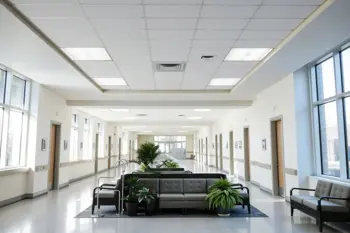
Beyond basic amenities, effective facilities integrate technology to enhance the healing process. This may include piped-in oxygen systems, specialized resident lifts, or gym spaces dedicated to advanced orthopedic and neurological rehabilitation 4, 7. The presence of outdoor spaces, such as balconies, patios, or dedicated gardening areas, is also linked to improved resident engagement and mental health outcomes, reinforcing the focus on creating a supportive environment rather than an exclusively clinical one 2, 7.
Clinical Accreditation and Specialized Certifications
While CMS star ratings provide a baseline for quality, third-party accreditations offer further validation of a facility’s adherence to safety and patient-centered protocols. The Joint Commission is frequently cited as a gold standard for hospital-like safety and quality within inpatient rehabilitation units 6. Furthermore, CARF International provides specific accreditation for rehabilitation programs that demonstrate superior outcomes in patient recovery, serving as an additional benchmark for families evaluating the efficacy of therapy-heavy programs 5.
Accreditation status often correlates with a facility’s ability to manage complex medical needs. This is particularly relevant for memory support units, which require specialized training for staff members dealing with Alzheimer’s or dementia 1. Facilities with specialized certifications in wound care, pain management, and chronic disease mitigation demonstrate a deeper integration of clinical resources, often coordinating directly with hospital systems to ensure that transitions of care are both safe and clinically informed 4, 8, 9.
Financial Considerations and Insurance Transitions
Understanding the financial framework of long-term care is critical for long-term planning. Medicare typically covers up to 100 days of skilled nursing care per benefit period, provided that the patient meets specific clinical criteria for rehabilitation following a qualifying hospital stay 7. However, navigating coverage requirements involves coordination with discharge planners and admission teams, who assist families in reviewing insurance plans including HMOs, private insurance, and Medicaid options 1, 6.
Facilities are often transparent about their acceptance of various funding streams, including Veteran’s Administration contracts for those eligible 7, 9. Admissions teams at major facilities prioritize 24/7 responsiveness to ensure that transfers are managed without gaps in clinical care 1. It is advised that families pre-plan stays whenever possible, as this allows for a more controlled transition and ensures the patient is admitted to a facility that meets their specific, ongoing medical needs 8.
Key Indicators of Performance Excellence
When assessing a facility, experts recommend looking beyond marketing materials to examine objective performance data. High nurse-to-resident ratios are consistently associated with a reduction in common long-term care risks, such as falls and pressure ulcers 5. Furthermore, examining the rate of hospital readmissions and emergency room visits provides a quantifiable measure of how effectively a facility manages chronic conditions on-site 5. Evaluating these factors through reliable, independent sources ensures a grounded approach to selecting the most appropriate care environment.
| Metric | Significance |
|---|---|
| CMS Star Rating | Government-standardized quality performance |
| Staffing Ratio | Direct impact on resident safety and care quality |
| Accreditation | Validation of safety and clinical excellence |
| Readmission Rate | Measure of clinical management effectiveness |
Sources
- Medicare.gov, Care Compare: Nursing Homes
- U.S. News & World Report, Best Nursing Homes Methodology
- The Osborn, Skilled Nursing Information
- Somerset Woods Rehabilitation & Nursing Center, Quality and Care Standards
- Village Point Rehabilitation & Healthcare, 2026 Quality Performance Report
- The Overlook Health & Rehabilitation Center, Short-Term Rehab Standards
- The Legacy Living & Rehabilitation Center, Facility Overview
- St. Ann’s Community, Transitional Care Protocols
- Uintah Basin Healthcare, Skilled Nursing and Rehabilitation Services
Authored by MyTrendSpot team