Common indicators of Polycystic Ovary Syndrome: A Clinical Overview
Menstrual patterns and ovulation
Irregular menstrual cycles are among the most recognizable indicators of PCOS. Periods may occur infrequently, last for many days, or be absent, reflecting ovulatory dysfunction rather than a predictable monthly cycle. The World Health Organization identifies irregular or infrequent periods and abnormal ovulation as central features of the condition. Symptoms may begin around the first menstrual period or develop later, after periods have already been established. 1
Changes in bleeding patterns do not independently confirm PCOS because other hormonal, reproductive, or medical conditions can produce similar effects. In PCOS, disrupted hormonal signaling can prevent follicles from maturing and releasing eggs regularly. This may increase the risk of difficulty conceiving, particularly when ovulation is infrequent or absent. Mayo Clinic describes irregular periods as one of the principal symptom patterns used in clinical assessment. 2
Excess androgen-related signs
Higher-than-normal androgen activity can produce visible changes in hair, skin, and reproductive function. Excess facial or body hair, known as hirsutism, may appear on the face, chin, chest, abdomen, or upper thighs. Acne and oilier skin are also associated with androgen excess. The FDA reports that elevated androgen levels can interfere with ovulation while contributing to unwanted hair growth and acne in areas where men typically develop hair. 3
Scalp hair thinning or female-pattern hair loss may occur alongside increased facial or body hair, although the combination and severity vary considerably. Some people have obvious physical signs, while others have biochemical evidence of androgen excess without marked hair or skin changes. Clinical references define hyperandrogenism through findings such as hirsutism and acne, supported when appropriate by hormone testing. 4
Ovarian findings and fertility
Despite its name, PCOS does not require visible ovarian cysts in every affected person. Ultrasound may show multiple small follicles, which are fluid-filled structures containing immature eggs, along the outer edge of an ovary. These follicles are not necessarily conventional cysts, and their appearance represents only one possible component of the syndrome. Mayo Clinic notes that the follicles may remain unable to release eggs regularly. 2
Difficulty conceiving is often connected to irregular or absent ovulation rather than to the presence of ovarian follicles alone. The WHO identifies PCOS as the most common cause of anovulation among women globally and a leading cause of infertility. However, fertility problems are not required for a PCOS diagnosis, and a person may have the syndrome without currently trying to become pregnant. 1
Metabolic and skin indicators
Insulin resistance is frequently associated with PCOS and can contribute to higher insulin levels, changes in blood sugar regulation, and weight-related difficulties. The FDA explains that insulin resistance occurs when body cells do not respond normally to insulin, potentially contributing to prediabetes and type 2 diabetes. Weight gain or difficulty losing weight may occur, but body size alone is not a diagnostic indicator and PCOS can affect people with different body types. 3
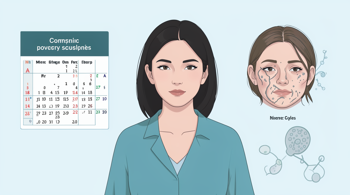
Darkened, thickened patches of skin, particularly in body folds, may indicate acanthosis nigricans, a sign associated with insulin resistance. PCOS is also linked with longer-term metabolic concerns, including obesity, type 2 diabetes, elevated cholesterol, high blood pressure, and fatty liver disease. These associations explain why assessment may include metabolic monitoring rather than focusing only on menstrual or cosmetic symptoms. 4
Sleep, mood, and broader health effects
Sleep disturbances can occur in people with PCOS, and obstructive sleep apnea is reported more often among women with the condition than in the general population. Possible warning patterns include disrupted sleep, persistent daytime tiredness, or symptoms associated with breathing interruptions during sleep. These experiences are not specific to PCOS, so they require consideration alongside reproductive, androgen, and metabolic findings rather than being treated as a stand-alone indicator. 8
PCOS can also affect emotional well-being, with anxiety and depression reported more frequently among affected patients. The condition is chronic and may continue beyond the reproductive years, while symptoms can change over time. This variability helps explain why one person may primarily notice menstrual irregularity, another may seek care for acne or hair changes, and another may first encounter the condition during a fertility or metabolic evaluation. 1
How clinicians evaluate possible PCOS
Diagnosis generally combines medical history, physical findings, laboratory testing, and sometimes pelvic ultrasound. Professional clinical references describe a framework based on two of three findings: hyperandrogenism, ovulatory dysfunction, and polycystic ovarian morphology. Other explanations for irregular bleeding, androgen-related changes, or absent ovulation must be considered and excluded when clinically appropriate. 4
Having one common indicator does not establish PCOS. Irregular periods, acne, hair growth, weight changes, or ultrasound findings can each have causes unrelated to the syndrome, and some people with PCOS have mild symptoms or no obvious symptoms. A clinician may therefore assess menstrual history, androgen-related signs, metabolic risk, fertility concerns, and test results together before reaching a diagnosis. 2
Sources
- World Health Organization, Polycystic ovary syndrome
- Mayo Clinic, Polycystic ovary syndrome symptoms and causes
- U.S. Food and Drug Administration, Polycystic Ovary Syndrome
- MSD Manual Professional Edition, Polyendocrine Metabolic Ovarian Syndrome
- Cleveland Clinic, Polycystic Ovary Syndrome
- Johns Hopkins Medicine, Polycystic Ovary Syndrome
- American Society for Reproductive Medicine, Polycystic Ovary Syndrome
- National Institute of Child Health and Human Development, PCOS symptoms
Authored by MyTrendSpot team