Warning signs of gastroesophageal reflux disease: Clinical indicators and diagnostic considerations
Gastroesophageal reflux disease (GERD) is a chronic condition characterized by the frequent backward flow of stomach contents into the esophagus 2. While occasional acid reflux is a common experience, GERD is defined by persistent symptoms that occur multiple times per week 5. Understanding the clinical markers of this condition is essential for recognizing when periodic discomfort transitions into a chronic health concern that may require professional medical evaluation 4.
The Core Symptoms of GERD
The most frequently reported symptom of GERD is heartburn, which is described as a painful, burning sensation localized in the chest area, often occurring behind the breastbone 1. This discomfort typically rises from the lower tip of the breastbone toward the throat and may be particularly pronounced after eating, in the evening, or when bending over and lying down 5. Another hallmark sign is regurgitation, a passive movement where stomach contents, including acid and bile, return into the esophagus and reach the throat or mouth, leaving a bitter or sour taste 1.
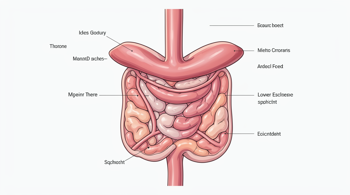
These symptoms are often attributed to the incompetence of the lower esophageal sphincter (LES), the ring-shaped muscle that serves as a valve between the esophagus and the stomach 3. When the LES becomes weak or relaxes inappropriately, the protective barrier is compromised, allowing acidic contents to irritate the sensitive lining of the esophagus 2. While these are the classic presentations, it is important to note that clinical experience varies, and not all individuals with GERD report heartburn or regurgitation as their primary complaint 1.
Extra-Esophageal and Atypical Manifestations
GERD can manifest through symptoms that appear unrelated to the digestive tract, often referred to as extra-esophageal manifestations. These include chronic cough, hoarseness, and laryngitis, which occur when refluxed acid irritates the vocal cords or the respiratory system 1. Some individuals may also experience a sensation of a lump in the throat, known as globus sensation, or persistent throat clearing 4. Dental erosion and bad breath are also reported as potential indicators of long-term exposure to stomach acids in the oral cavity 8.
Furthermore, chest pain associated with GERD can be intense and mimic cardiac distress, frequently leading individuals to seek emergency evaluation 9. Because this pain can overlap with heart-related symptoms, clinical assessment is vital to rule out more serious cardiovascular conditions 5. Other atypical signs include increased saliva production, which serves as a physiological response to neutralize the acidic environment within the esophagus 8. The presence of these symptoms, especially if they are persistent, often serves as a primary driver for clinical investigation 4.
Alarm Symptoms Requiring Immediate Medical Attention
Certain symptoms are categorized as red flags or alarm signs, indicating the potential for serious complications such as esophageal ulcers, strictures, or metaplasia 6. Individuals experiencing these markers should prioritize professional consultation 1. Alarm symptoms include unexplained weight loss, persistent vomiting, and noticeable difficulty swallowing or pain during the act of swallowing 5. These signs can suggest that the esophageal lining has undergone significant physical damage that necessitates diagnostic testing, such as an endoscopy 6.
Additionally, evidence of gastrointestinal bleeding is a critical warning sign that requires urgent medical intervention 1. This may manifest as vomit that appears to contain blood or resembles coffee grounds, or stools that are black, tarry, or visibly bloody 1. Loss of appetite or a general decline in the ability to eat effectively also warrants investigation to ensure that nutritional intake remains sufficient and that no obstructive pathologies are present 5.
Risk Factors and Predisposing Conditions
The prevalence of GERD is estimated at approximately 13% of the global population, with incidence rates tending to increase with age 3. Several physiological and lifestyle factors contribute to the development of the condition by putting pressure on the LES or altering stomach emptying 2. Obesity is a primary risk factor, as it can increase abdominal pressure and impede the proper function of the diaphragm and sphincter 1. Pregnancy is similarly associated with an increased incidence of reflux due to both mechanical pressure and hormonal changes 2.
Structural conditions such as a hiatal hernia, where part of the stomach protrudes above the diaphragm, are also common contributors to GERD pathology 2. Furthermore, certain medications can exacerbate reflux symptoms, including calcium channel blockers for high blood pressure, sedatives used for anxiety, and various asthma treatments 2. Lifestyle factors such as smoking, tobacco use, and the consumption of alcohol are frequently identified in clinical literature as potential irritants that may weaken the protective mechanisms of the esophageal junction 2.
Diagnostic Approaches and Clinical Evaluation
The diagnosis of GERD is primarily clinical, meaning it is based on the patient's reported history of symptoms and the pattern of their occurrence 6. When typical symptoms such as persistent heartburn are unresponsive to lifestyle modifications or over-the-counter acid-suppressing agents, healthcare providers may initiate more formal testing 1. Esophageal pH testing may be utilized to quantify the frequency and severity of acid exposure, providing data that differentiates GERD from other esophageal disorders 3.
Endoscopy is another standard tool used to examine the lining of the esophagus for signs of inflammation, known as esophagitis, or the development of scarring, known as strictures 6. Clinical evaluation helps to phenotype the patient's specific type of GERD, allowing for a more tailored approach to management 4. Ongoing consultation with a healthcare provider is encouraged for anyone who relies on over-the-counter antacids more than a few times per month, as chronic reliance may mask underlying damage 4.
Management and Long-term Considerations
Managing GERD generally involves a combination of lifestyle adjustments and, when necessary, pharmacological intervention to suppress stomach acid production 6. Lifestyle modifications often include weight management, smoking cessation, and the elevation of the head of the bed to use gravity to minimize reflux during sleep 3. Avoiding late-night meals and identifying trigger foods, such as fatty items, chocolate, or carbonated beverages, are also standard recommendations aimed at reducing the frequency of reflux episodes 7.
For those who do not achieve relief through lifestyle changes, proton pump inhibitors and other acid-suppression therapies are commonly employed to protect the esophageal lining 6. In cases where medical management fails or the esophageal anatomy has been significantly altered, surgical intervention may be considered to reinforce the LES 3. Proactive monitoring is recommended, as long-term acid exposure is associated with a risk of progressive damage that, while rare, can include the development of esophageal cancer 6.
Sources
- National Institute of Diabetes and Digestive and Kidney Diseases: Symptoms & Causes of GER & GERD
- Penn Medicine: Gastroesophageal Reflux Disease Overview
- Merck Manuals: Gastroesophageal Reflux Disease (GERD)
- Keck Medicine of USC: What Are Symptoms of GERD?
- Mayo Clinic: Heartburn Symptoms & Causes
- MSD Manuals: Gastroesophageal Reflux Disease (GERD) Professional Version
- Prevention: 10 Surprising Signs of Acid Reflux
- Northwell Health: GERD Causes, Symptoms, and Treatments
- Harvard Health Publishing: GERD - When to Worry
- American College of Gastroenterology: Acid Reflux Alarm Symptoms
Authored by MyTrendSpot team