Construction Equipment From Police Impound Auctions: A Practical Guide to Process, Costs, and Risks
Key facts
- Government auction buyer premiums typically range from 0% to 16.5%, depending on the seller and auction terms. 1
- Many government auction lots are sold as-is and where-is, with buyers responsible for inspection, removal, and transport. 2
- State and local agencies commonly sell seized, abandoned, unclaimed, and surplus property through online or in-person auctions. 3
- Some heavy-equipment auctions require pickup from the storage location because sellers generally do not arrange transport. 4
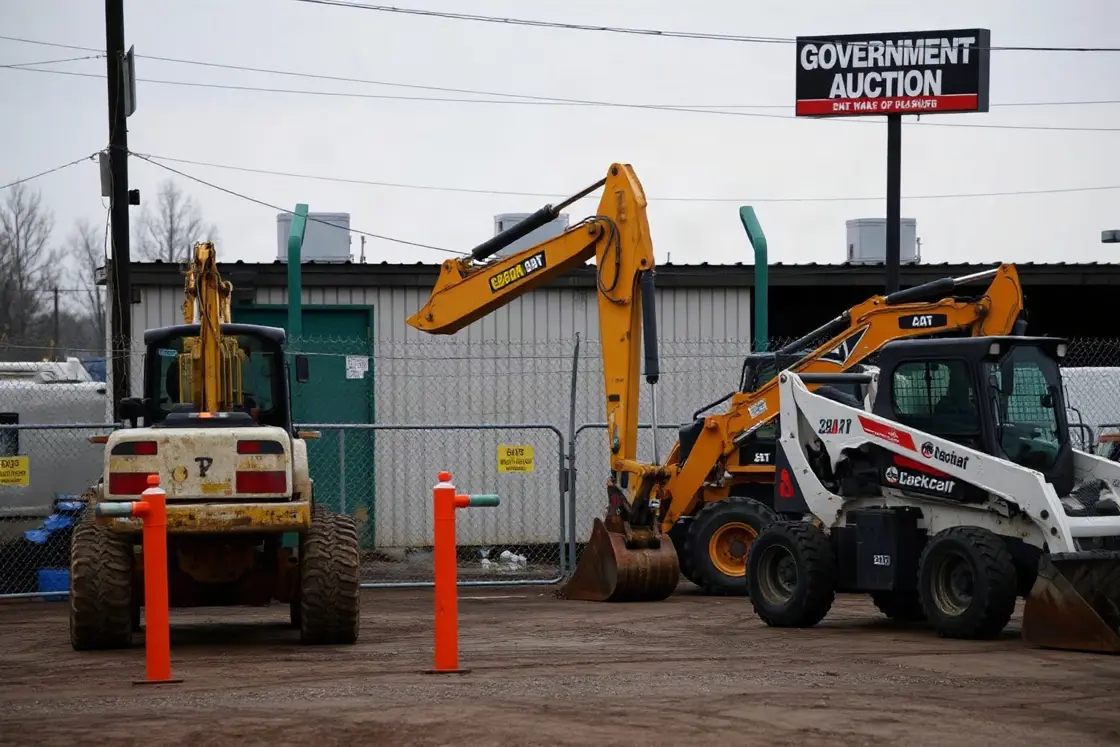
Construction equipment from police impound auctions occupies a narrow but real part of the wider public-auction system. Excavators, backhoes, skid steers, loaders, trailers, generators, and other machinery may enter the system after seizure, abandonment, forfeiture, or government surplus disposal. Availability varies by jurisdiction and event, so an auction should be assessed as a specific legal and mechanical transaction rather than as a dependable source of equipment.
What Police Impound Auctions Actually Include
Police auctions can contain property seized during investigations, items held under forfeiture laws, abandoned property, and goods that agencies no longer need. Local departments and county offices may contract with an auction company or publish sales through an online platform. The catalog normally identifies a lot number, basic description, sale date, payment deadline, and collection rules, but descriptions can be brief. 2 3
Heavy machinery is more commonly associated with broader government-surplus and seized-asset sales than with routine police impound-lot events. Federal and state disposal programs can include industrial equipment, generators, shop tools, utility vehicles, and heavy machinery, while local auctions may list work trucks or equipment connected to an investigation. The mix changes substantially between counties, agencies, and sale periods. 5 6
How the Auction Process Works
The first step is identifying a legitimate public sale through a government department, county or state notice, or an established auction contractor. Registration requirements differ, and some auctions are online while others use an in-person format. Before bidding, the published terms should be reviewed for inspection times, accepted payment methods, taxes, buyer premiums, removal deadlines, and rules concerning title or ownership documents. 2 3
Bidding normally proceeds in stated increments, with the highest bid at closing becoming the winning bid, subject to the sale terms. Published 2026 guides describe payment deadlines commonly ranging from three to five days, while collection windows can range from five to fifteen days depending on the seller. These are general reported ranges, not universal rules, so the individual auction terms control. 1
Equipment Types and Condition Questions
Potential categories include excavators, backhoes, skid steers, wheel loaders, forklifts, generators, trailers, dump trucks, and maintenance equipment. The appearance of a machine in an auction catalog does not establish that it is operational. Government-owned equipment may have high operating hours, prolonged storage, missing parts, disabled systems, or maintenance needs that made continued service impractical. 5
Inspection is therefore central to the decision. Where permitted, a qualified mechanic can examine the engine, hydraulics, transmission, undercarriage, frame, attachments, fluid contamination, electrical systems, and hour meter. A machine that cannot start may require loading equipment before it can leave the site. Most government-auction property is sold as-is, with no warranty and limited or no return rights. 1 6
Fees and the Total Cost
The winning bid is only one part of the transaction. A buyer may also face a buyer premium, applicable taxes, loading charges, storage charges, transport, repairs, replacement parts, and document or registration expenses. Published 2026 comparisons report buyer premiums from 0% to 16.5% across government-auction systems, while some sellers use lower or seller-specific rates. The exact figure must be confirmed in the auction conditions. 1 7
| Cost category | What it may involve |
|---|---|
| Winning bid | The accepted amount at auction close |
| Buyer premium | An additional percentage set by the seller or auction operator |
| Transport | Specialized hauling, loading, route planning, and possible permits |
| Condition work | Diagnostics, repairs, tires, fluids, batteries, parts, and labor |
| Storage and removal | Charges or penalties when equipment is not collected within the stated window |
Transport can be a major practical constraint because construction machinery is heavy, wide, and sometimes inoperable. Specialized trailers, cranes, forklifts, or winching equipment may be necessary, and oversized loads can require route planning or permits. Auction platforms generally place responsibility for pickup on the buyer, and many sellers do not arrange shipment. 4
Title, Ownership, and Legal Documentation
Legal authority to sell does not eliminate the need to verify the documents attached to a particular machine. The relevant paperwork may include a bill of sale, seizure or forfeiture documentation, release records, serial-number information, and, for road-registered vehicles, a certificate of title. Requirements vary by state and by whether the item is a self-propelled machine, trailer, commercial vehicle, or equipment intended only for private property.
Before bidding, the seller should be asked which ownership documents will be issued and whether the serial number is legible and consistent across the machine and paperwork. A construction machine may not require the same DMV registration as a highway vehicle, but it can still need proof of ownership for transport, resale, insurance, taxation, or financing arrangements. State motor-vehicle and equipment authorities provide the controlling rules.
Risks Specific to Impounded Machinery
Impounded equipment may have an uncertain operating history. It could have been exposed to weather, stored without proper preservation, used in demanding conditions, or held for an extended investigation. Damage may also result from recovery, towing, vandalism, missing keys, or removal of components. Catalog photographs can show general appearance but rarely replace an independent mechanical inspection.
There are also legal and logistical risks. A lot can be located far from the eventual worksite, and removal deadlines may be strict. A winning bidder who fails to pay or collect the equipment can face contractual consequences under the auction terms. A 2026 government-auction guide notes that agencies, rather than buyers, set the conditions governing payment, pickup, and transfer. 2
A Sensible Evaluation Sequence
A disciplined review begins with the agency, auction format, seller terms, lot description, serial number, inspection opportunity, and document status. The next stage is a written all-in estimate that includes the bid, premium, taxes, hauling, loading, repairs, storage, and intended-use requirements. Comparing that estimate with independently established market values helps separate a potentially workable purchase from a machine whose risks outweigh its apparent price.
- Confirm the seller's legal identity and the auction's public terms.
- Inspect the machine or obtain an independent mechanical assessment when allowed.
- Verify serial numbers, ownership documents, and any road-use requirements.
- Arrange appropriate hauling and loading equipment before the removal deadline.
- Set a maximum bid based on total cost, not the hammer price alone.
Police impound auctions can provide access to unusual equipment, but inventory is unpredictable and no particular excavator, loader, or skid steer is guaranteed to appear. The most important distinction is between a low winning bid and a sound total-cost decision. Mechanical condition, paperwork, transport, statutory requirements, and the absence of warranty all deserve equal attention before participation.
Sources
- How Government Auctions Work in 2026 (No Dealer License Needed) | BidProwl: https://bidprowl.com/guides/how-government-auctions-work
- How Government Auctions Work Before You Bid – Government Auctions Blog: https://www.governmentauctions.org/blog/2026/09/18/how-government-auctions-work/
- What Is a Police Auction and How Do They Work – Catalyst Legal: https://catalystlegal.org/what-is-police-auction-how-do-they-work/
- GovDeals FAQ: Does GovDeals Ship, Fees, Payment, Pickup (2026) | BidProwl: https://bidprowl.com/guides/govdeals-faq
- How Federal Surplus Property Auctions Work – Government Auctions Blog: https://www.governmentauctions.org/blog/2026/08/08/federal-surplus-property-auctions/
- Police Auctions: How They Work and How to Buy - LegalClarity: https://legalclarity.org/police-auctions-how-they-work-and-how-to-buy/
- 16 Best Government Auction Sites, Ranked by Fees (2026) | GovAuctions.app: https://govauctions.app/guides/best-government-auction-sites
Authored by MyTrendSpot team