Ways to reduce chronic inflammation through diet: A clinical research overview
Chronic inflammation represents a persistent state of immune system activation that can result in long-term tissue damage throughout the body 1, 6. While acute inflammation serves as a necessary protective response to injury or infection, chronic, low-grade inflammation is increasingly recognized as a foundational factor in the development of numerous conditions, including cardiovascular disease, type 2 diabetes, certain cancers, and neurodegenerative disorders 1, 2, 6. Research indicates that dietary interventions represent a significant, non-pharmacological strategy for modulating these inflammatory trajectories before they manifest as overt clinical disease 9.
Defining the Anti-Inflammatory Dietary Pattern
There is no singular, universally defined anti-inflammatory diet; rather, the term refers to an overall style of eating that prioritizes nutrient-dense, whole foods while intentionally limiting items known to exacerbate inflammatory responses 1, 3. Clinical experts frequently highlight the Mediterranean diet and the Dietary Approaches to Stop Hypertension (DASH) plan as effective frameworks for reducing inflammation, as well as managing cholesterol, blood pressure, and blood sugar levels 1, 2. These patterns emphasize consistency in dietary behavior rather than reliance on isolated superfoods or specific nutrient fads 2.
Core Components of an Inflammation-Conscious Diet
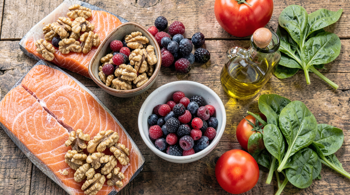
The foundation of an effective anti-inflammatory approach relies on the integration of high-fiber, antioxidant-rich foods that support gut health and metabolic stability 7, 10. The following table outlines primary food categories often recommended by clinical nutritionists to support these goals.
| Category | Examples | Potential Benefit |
|---|---|---|
| Fatty Fish | Salmon, Mackerel, Sardines | High concentrations of EPA and DHA omega-3 fatty acids 7, 10 |
| Healthy Fats | Extra-virgin olive oil, Avocado | Monounsaturated fats and polyphenols supporting heart health 7, 10 |
| Plant-Based Fiber | Legumes, Nuts, Seeds, Whole grains | Regulates gut microbiome and blood glucose stability 7, 10 |
| Produce | Leafy greens, Berries, Tomatoes | Provides essential phytonutrients and antioxidants 7, 10 |
Foods and Components to Limit
Reducing chronic inflammation involves a strategic reduction of substances that trigger or promote immune system activation 2, 5. Ultra-processed foods, which often contain high levels of added sugars, sodium, and trans fats, are primary candidates for elimination 3, 5. Research published in 2025 suggests that these products can alter gut bacteria and compromise the intestinal lining, thereby worsening systemic inflammatory responses 3. Minimizing consumption of red and processed meats, fried foods, and refined carbohydrates is consistently advised across clinical nutrition guidelines to mitigate these risks 2, 3, 5.
The Role of Weight Management and Metabolism
Maintaining a healthy body weight is an essential component of an anti-inflammatory lifestyle because excess adipose tissue, or body fat, is biologically active and capable of producing pro-inflammatory signaling molecules 10. By following a nutrient-dense diet, individuals may improve body composition, which indirectly lowers systemic inflammation 7, 10. Dietary interventions that prioritize fiber and protein help stabilize blood sugar levels, preventing the inflammatory spikes associated with rapid insulin secretion 3, 7.
Integrative Considerations and Limitations
While diet is a powerful tool, it does not exist in a vacuum; other lifestyle factors such as sleep quality, physical activity, and the management of underlying medical conditions play critical roles in regulating inflammatory markers 4, 10. Additionally, the use of supplements, such as turmeric or curcumin, remains an area of active study 4, 10. Clinical data regarding these supplements is often mixed, and it is vital to note that some botanical extracts can interact negatively with prescription medications or cause adverse side effects 4, 10. Healthcare professionals should always be consulted before introducing new supplements into a health regimen.
Clinical Outlook on Early Intervention
Addressing chronic low-grade inflammation early through nutritional intervention presents a promising therapeutic window for improving long-term health outcomes 9. By adopting a consistent, vegetable-forward eating pattern that prioritizes whole grains and healthy fats, individuals may successfully mitigate the inflammatory damage that leads to advanced disease states 1, 9. Modern research suggests that personalizing these nutritional strategies based on individual biomarkers may offer even more precise methods for preventing inflammation-related damage in the future 9.
Sources
- Cleveland Clinic: Should You Follow an Anti-Inflammatory Diet?
- Harvard Health: Anti-inflammatory diet: Foods that help reduce chronic inflammation
- Harvard Health: Quick-start guide to an anti-inflammation diet
- HIV.gov: Healthy Eating and Chronic Inflammation for People Living with HIV
- American Cancer Society: Anti-inflammatory Diets and Cancer
- Harvard Health: Foods that fight inflammation
- Sanford Health News: Help your body fight inflammation through diet, meal timing
- UT MD Anderson: Which foods can reduce inflammation?
- Trends in Endocrinology & Metabolism: Early nutritional interventions for chronic low-grade inflammation
- Preventive Medicine Daily: How to Reduce Inflammation Through Your Diet: Foods, Habits, and Key Strategies
Authored by MyTrendSpot team