Natural remedies for tinnitus: A critical clinical analysis of management strategies
Understanding Tinnitus and the Limits of Natural Cures
Tinnitus is defined as the perception of phantom sounds, such as ringing, buzzing, hissing, or clicking, which originate from within the head rather than an external source 3. While millions of adults experience these sensations, it is essential to recognize that tinnitus is a symptom of an underlying condition rather than a single disease entity 2. Current medical consensus indicates that there is no universal cure for chronic tinnitus 3, 6. Many individuals turn to natural remedies in search of relief, yet it is crucial to understand that most herbal and dietary supplements marketed for this condition lack rigorous, peer-reviewed clinical support 4, 7.
The Efficacy of Supplements and Herbal Products
The marketplace offers a wide array of supplements, including ginkgo biloba, zinc, and magnesium, often promoted as solutions for tinnitus. However, clinical research frequently fails to demonstrate that these substances provide reliable relief compared to a placebo 2, 5. For instance, a comprehensive review of ginkgo biloba concluded that evidence for its effectiveness in treating tinnitus remains uncertain at best 7. Many products currently marketed lack the clinical data to justify their use as a standard therapeutic intervention 5.
Consumers are encouraged to exercise caution regarding supplements, as they can interact with existing medications and vary significantly in quality control 1. Furthermore, certain home-based remedies, such as the use of ear candles or the direct application of essential oils and garlic oil into the ear canal, are classified as unsafe 4. These practices carry a genuine risk of eardrum perforation, burns, and other physical complications that may exacerbate rather than alleviate the underlying symptoms 4.
Evidence-Supported Sound Therapy Strategies
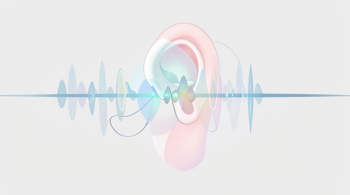
While pharmacological or herbal cures are not currently supported by clinical evidence, sound-based management strategies remain among the most effective non-invasive approaches 2, 5. Sound therapy functions by reducing the perceptual contrast between the environment and the phantom tinnitus sound, often referred to as masking 5. The use of white noise, ambient music, or environmental sound enrichment can make the tinnitus less noticeable during periods of quiet, such as when attempting to sleep or focus 2, 5.
For individuals whose tinnitus is accompanied by hearing loss, the use of hearing aids can provide significant benefit 5. By improving access to ambient external sounds, these devices can reduce the brain's focus on the phantom noise, thereby alleviating the psychological distress associated with the condition 1, 5. Experts consistently categorize sound therapy as one of the primary, evidence-based tools for improving the quality of life for those living with chronic auditory sensations 2, 5.
Psychological Interventions and Stress Management
Tinnitus is frequently linked to elevated levels of stress, anxiety, and depression, which can create a cycle that makes the symptoms feel more intrusive 3, 6. Cognitive Behavioral Therapy (CBT) is recognized as a highly effective clinical intervention for managing the distress associated with tinnitus 5. While CBT does not typically eliminate the sound itself, it provides individuals with the behavioral tools to change their emotional reactivity and reduce the negative thought patterns linked to the phantom noise 5.
Additional lifestyle adjustments, such as mindfulness, relaxation techniques, and consistent sleep hygiene, can further assist in reducing the overall burden of the condition 4, 5. These approaches are not intended to cure the tinnitus but rather to address the neurological and emotional response to it, which is often where the most significant distress originates 2, 5.
When Professional Medical Evaluation is Necessary
Because tinnitus can be a secondary indicator of medical issues like cardiovascular conditions, jaw tension, or earwax accumulation, a professional diagnostic workup is essential 1, 2. A healthcare professional may conduct hearing exams, review medical history, or utilize imaging, such as CT or MRI scans, to identify any treatable causes 1. Attempting to self-treat without first ruling out these underlying factors can delay appropriate clinical intervention 7.
Certain characteristics of tinnitus warrant immediate medical attention rather than reliance on home-based or natural remedies 2. These clinical red flags include:
- Tinnitus that occurs in only one ear 2.
- Pulsatile sounds that follow a rhythmic pattern 2.
- Sudden hearing loss associated with the tinnitus 2.
- The presence of neurological symptoms or dizziness 2.
Creating a Sustainable Management Plan
The most effective approach to managing tinnitus involves a multimodal strategy tailored to the individual's specific needs 5. Rather than focusing on a single, often ineffective supplement, successful management typically combines sound enrichment, behavioral therapy, and the protection of current hearing health 4, 5. Avoiding exposure to excessively loud noises is a critical preventive measure to ensure the condition does not worsen over time 4.
Individuals are encouraged to avoid the temptation of pursuing unverified internet-based remedies that may lead to the loss of valuable time for effective treatment 7. By focusing on strategies that align with professional clinical guidelines, such as those recommended by otology specialists and audiologists, individuals can establish a long-term plan that prioritizes their functional health and emotional well-being 5.
Sources
- Mayo Clinic: Tinnitus - Diagnosis and treatment
- Acibadem Hospitals Group: Natural Remedies For Tinnitus: What Helps Safely
- Today.com: 4 Natural Tinnitus Remedies Recommended by an Ear Doctor
- Naluma: Home Remedies for Tinnitus: What Works, What’s Useless, and What’s Risky
- NeuroMed Care: Natural Remedies for Tinnitus: What Actually Works
- NZ Herald: Many treatments promise relief from tinnitus. Here’s what actually helps
- Utah Hearing Aids: Do Ginkgo Biloba, Apple Cider Vinegar, or Tapping Help Tinnitus?
Authored by MyTrendSpot team