Natural remedies for water retention: Evidence, safety, and practical guidance
What water retention means
Water retention, also called edema, occurs when excess fluid accumulates in body tissues. Swelling may appear in the legs, ankles, feet, hands, abdomen, or face, sometimes accompanied by heaviness, tightness, or skin that temporarily holds an indentation after pressure. Common triggers include high sodium intake, hormonal fluctuations, pregnancy, prolonged sitting or standing, some medicines, and changes in circulation. Kidney, heart, or liver problems can also cause edema, so the visible symptom does not identify the cause by itself. 4
Mild fluid changes can be temporary, particularly after salty meals, travel, inactivity, menstruation, or altered carbohydrate intake. Water retention should not be confused automatically with digestive bloating, because bloating primarily concerns the digestive tract while edema involves fluid in tissues. A persistent, worsening, or unexplained change deserves medical evaluation rather than repeated attempts to increase urination with supplements or concentrated herbal preparations. 5
Reduce sodium while maintaining hydration
Reducing dietary sodium is one of the clearest food-based measures for retention associated with eating patterns. Sodium attracts water, and excess intake can encourage the body to hold additional fluid in an effort to maintain balance. Processed meats, ready-made meals, salted snacks, and some canned or frozen foods are described as common sources. Preparing meals from less processed ingredients and checking nutrition labels can reduce sodium exposure without attempting to eliminate all fluids. 6
Drinking adequate water is also relevant because dehydration can encourage the body to retain available fluid. Water, hydrating foods, and regular intake may support kidney handling of sodium and waste. However, forcing unusually large quantities of water is not a treatment for edema and may create its own fluid or electrolyte concerns. Hydration needs vary with health status, medicines, activity, and medical advice, particularly for people already managing heart or kidney conditions. 3
Foods containing potassium and magnesium
Potassium-rich foods may support fluid balance by helping counter the effects of sodium and promoting urinary sodium excretion. Foods identified in the research include leafy greens, potatoes, bananas, avocados, beans, and other fruits and vegetables. Watermelon, cucumber, cantaloupe, oranges, peaches, strawberries, cauliflower, zucchini, and grapefruit also provide substantial water. These foods support a generally balanced eating pattern, but increasing potassium is not appropriate for everyone, especially people with kidney disease or medicines that affect potassium levels. 3
Magnesium is another mineral associated with fluid regulation, and magnesium supplementation has been linked with reduced water retention in women experiencing premenstrual symptoms. Food sources named in the research include nuts, whole grains, and dark leafy greens. A supplement is not automatically safer than food: dosage, kidney function, pregnancy, existing medicines, and the reason for swelling all affect suitability. Professional guidance is prudent before using magnesium specifically for edema or menstrual symptoms. 11
Movement, sleep, and leg elevation
Regular physical activity can improve circulation and help move fluid from the extremities back toward the bloodstream. Simple movement breaks are particularly relevant after extended sitting at work, during travel, or after prolonged standing. Exercise may also produce sweating, but lost fluid needs replacement. The available guidance therefore supports consistent movement and hydration rather than deliberate dehydration or strenuous efforts intended solely to change scale weight. 3
Raising a swollen arm or leg above heart level can assist gravity-supported fluid movement, while compression garments may help some forms of mild edema. Mayo Clinic identifies compression garments and elevation as measures that can help mild edema. Sleep is also associated with the body’s management of water and sodium, with general adult guidance commonly describing approximately seven to nine hours nightly. These measures address symptoms and circulation, not the underlying cause of medically significant edema. 2
Foods and herbs described as natural diuretics
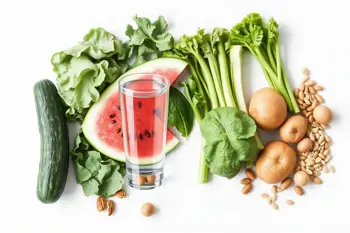
Several foods and herbs are traditionally described as natural diuretics because they may increase urine production. Watermelon has shown diuretic effects in some animal studies, while human evidence remains incomplete. Celery contains phthalides and has diuretic effects supported by animal and human studies reported in the reviewed material. Tomatoes provide potassium and lycopene, and cucumber is frequently discussed because of its high water content. These foods can be included as ordinary foods, but they should not be treated as substitutes for prescribed diuretics. 1
Dandelion, parsley, green tea, and hibiscus are also cited in traditional or preliminary research discussions. Dandelion is used in herbal medicine to promote urination, and hibiscus has been studied for mild diuretic activity and possible blood-pressure effects. Yet the reviewed evidence emphasizes that human clinical studies of many natural diuretics are limited, with some findings based on traditional use or animal research. Green tea and other caffeinated preparations may also affect fluid loss without addressing why swelling occurred. 1
Risks, interactions, and when to seek care
Natural does not mean risk-free. Herbal diuretics may contribute to electrolyte imbalance, allergic reactions, medication interactions, and pregnancy complications. Particular caution is warranted with blood thinners and other medicines whose effects can change when combined with herbs. Concentrated teas, extracts, and supplements may differ substantially from the culinary amounts found in foods. Anyone with chronic illness, pregnancy, kidney concerns, heart disease, or prescribed diuretics should discuss an herb or supplement with a healthcare professional first. 1
Sudden weight gain, severe leg swelling, rapidly worsening edema, or swelling accompanied by symptoms that are unusual for the individual warrants prompt medical attention. Edema may reflect heart, kidney, liver, medication-related, vascular, or hormonal causes, and diagnosis can require an examination, medical history, blood tests, ultrasound, or vein studies. For more serious edema, a clinician may decide whether a medicine such as furosemide is appropriate. Treating the cause is more important than forcing fluid loss. 2
Practical interpretation of the evidence
The most consistently supported self-care themes in the supplied research are reducing excess sodium, maintaining ordinary hydration, choosing potassium- and magnesium-containing foods when medically appropriate, moving regularly, sleeping adequately, and elevating swollen limbs. These steps are most relevant to mild, temporary puffiness linked with diet, inactivity, or hormonal changes. They are not a universal protocol, and improvement should not be assumed if swelling is persistent, one-sided, painful, or associated with broader health changes. 3
Herbal options should be considered lower-certainty approaches rather than proven solutions. Research on natural diuretics includes traditional use, animal findings, and a smaller body of human evidence, so claimed timing or strength of effect should be treated cautiously. The practical maintenance issue is identifying triggers and monitoring recurrence, rather than repeatedly attempting rapid fluid removal. A healthcare assessment is the appropriate next step when lifestyle measures do not resolve swelling or when an underlying condition is possible. 1
Sources
- Verywell Health, “16 Natural Diuretics That Reduce Water Retention”
- Mayo Clinic, “Edema: Diagnosis and treatment”
- Health, “9 Quick Ways To Lose Water Weight”
- Holland & Barrett, “How To Get Rid Of Water Retention”
- Health Loft, “Natural remedies for fluid retention: 7 ways food can help”
- Arkopharma, “How to Reduce Water Retention?”
- Medical News Today, “Dandelion”
- National Institutes of Health, PubMed, “Hibiscus sabdariffa”
- Cleveland Clinic, “How to Get Rid of Water Weight”
- Harvard Health Publishing, “Staying hydrated without the bloat”
- WebMD, “Water Retention Tips”
Authored by MyTrendSpot team