United States clinics for sciatica care: A comprehensive guide to finding treatment and understanding your options
If you are experiencing sharp, burning, or electric pain radiating from your lower back down one leg, you are not alone. Sciatica represents one of the most common and debilitating nerve pain conditions affecting Americans today. Across the United States, a diverse network of medical clinics, pain management centers, chiropractic offices, and rehabilitation facilities specializes in diagnosing and treating sciatica. Understanding where to seek care, what evaluation to expect, and which treatment approaches are evidence-based can significantly impact your recovery and quality of life. 1
Understanding Sciatica and the Need for Professional Evaluation
Sciatica is fundamentally a symptom of nerve compression or irritation, not a diagnosis in itself. 2 The sciatic nerve, the largest nerve in the human body, originates in the lower spine and travels through the buttocks and down each leg to the feet. 3 When something compresses or irritates this nerve, the result is the characteristic pain pattern that can range from a dull ache to sharp, shooting sensations. Common causes include herniated or bulging lumbar discs, spinal stenosis, bone spurs, piriformis syndrome, degenerative disc disease, and sacroiliac joint dysfunction. 4 The specific cause determines the most effective treatment approach, which is why professional evaluation begins with imaging and specialized physical examination to pinpoint the exact source of nerve compression.
Research indicates that approximately 80 percent of acute sciatica cases improve with conservative care within 6 to 12 weeks. 5 However, when symptoms persist beyond this timeframe or worsen despite initial treatment, more targeted intervention becomes necessary. This is where specialized clinics play a critical role. Seeking professional evaluation early, rather than waiting for symptoms to resolve on their own, reduces the risk of chronic nerve damage and permanent functional limitations. Many clinics across the United States now recognize that generic treatments addressing only symptoms fail to resolve underlying structural problems, which is why identification of the true cause has become the foundation of effective sciatica care.
Types of Clinics Offering Sciatica Care
Sciatica treatment in the United States is available through multiple types of medical facilities, each bringing different expertise and treatment modalities. 6 Major academic medical centers such as Mayo Clinic, Cleveland Clinic, Johns Hopkins Medicine, Stanford Health, UCLA Health, and NYU Langone Health operate specialized spine centers and pain management departments with board-certified physicians and advanced diagnostic equipment. 7 These institutions typically combine physical therapy, minimally invasive injections, and surgical options when conservative care proves insufficient. Independent pain management clinics staffed by board-certified pain specialists offer epidural steroid injections, nerve blocks, and radiofrequency ablation as targeted interventions. 8 Chiropractic clinics throughout the country emphasize spinal manipulation, decompression therapy, and soft tissue treatment to address mechanical causes of nerve compression. Physical therapy and rehabilitation clinics focus on movement correction, strengthening, and posture retraining. 9 Many clinics now operate multiple locations across entire regions to improve patient access, with same-day appointments often available for acute cases.
The geographic distribution of sciatica care facilities is widespread, with specialized clinics operating in major metropolitan areas and smaller communities nationwide. New York City hosts multidisciplinary conservative rehabilitation clinics alongside major hospital systems. 10 The Chicago area and surrounding regions feature board-certified neurologists and pain specialists offering advanced diagnostic testing such as MRI and nerve conduction studies. 11 Charlotte, North Carolina, has established chiropractic clinics with 65 years of service history and multiple locations offering same-day appointments. 12 The Dallas-Fort Worth metroplex includes pain management centers with fellowship-trained physicians and evidence-based intervention protocols. 13 Florida locations from Largo to St. Petersburg offer board-certified pain specialists with fellowship training at established pain medicine centers. 14 St. Louis, Los Angeles, Lincoln Nebraska, Jacksonville, and numerous other cities throughout the United States maintain specialized sciatica treatment centers.
Non-Surgical Treatment Approaches Available
Physical therapy remains the first-line treatment recommended by most U.S. clinics for sciatica. 15 Evidence-based physical therapy programs focus on stretching tight muscles, particularly hip flexors and piriformis muscles that can compress the sciatic nerve, while simultaneously strengthening core and stabilizing muscles that support the spine. 16 Movement assessment identifies postural patterns and mechanical factors contributing to nerve compression, allowing therapists to design targeted exercise programs addressing individual biomechanical issues. Spinal decompression therapy, available at numerous clinics across the country, uses specialized equipment to gently create negative pressure within the disc, helping retract herniated disc material away from the compressed nerve root. 17 Anti-inflammatory medications, muscle relaxers, and over-the-counter pain management provide temporary symptom relief during the acute phase while the body responds to other treatments.
Minimally invasive interventional procedures are increasingly accessible at pain management clinics nationwide. Epidural steroid injections deliver anti-inflammatory medication directly to the area surrounding the compressed nerve, with research from a 2025 meta-analysis of 72 randomized controlled trials involving 7,701 patients confirming meaningful relief for sciatica from disc herniation, with effects lasting up to 12 months in many patients. 18 Transforaminal epidural injections target the specific nerve root exit point where compression occurs. Nerve root pulsed radiofrequency, peripheral nerve stimulation, and spinal cord stimulation provide additional options when injections alone prove insufficient. 19 Chiropractic adjustments restore proper spinal alignment to relieve pressure on the sciatic nerve, while soft tissue therapies address muscle tightness and inflammation. Shockwave therapy breaks up scar tissue and chronic inflammation around the sciatic nerve, accelerating tissue healing. Specialized decompression equipment such as the RX2600 Therapeutic Robot applies gentle, precise static pressure to lengthen shortened muscles and relieve nerve compression. 20
Diagnostic Tools and Evaluation Processes
Modern U.S. clinics use advanced imaging diagnostics to confirm sciatica diagnosis and identify the specific structural cause. 21 Magnetic resonance imaging (MRI) provides detailed visualization of soft tissue structures including discs, nerves, and ligaments, allowing clinicians to identify herniated discs, spinal stenosis, and other compression sources. Computed tomography (CT) scans offer excellent bone detail for identifying bone spurs, facet joint arthritis, and structural abnormalities. Nerve conduction velocity (NCV) and electromyography (EMG) testing measure electrical activity in muscles and nerves, helping distinguish true sciatic nerve compression from other conditions producing similar symptoms such as piriformis syndrome or sacroiliac joint dysfunction. 22 Physical examination at specialized clinics includes detailed neurological assessment measuring strength, reflexes, and sensation, combined with movement-specific tests such as the straight-leg raise that reproduces or worsens symptoms when the sciatic nerve is compressed.
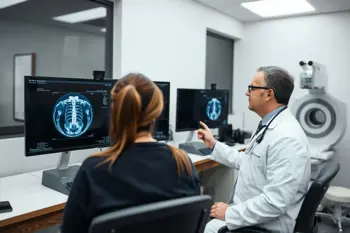
Comprehensive evaluation at U.S. sciatica clinics begins with detailed history taking about symptom onset, pain characteristics, aggravating activities, and previous treatment responses. This information combined with physical examination findings guides whether additional imaging is necessary. Many clinics coordinate with other providers to review existing MRI results rather than duplicating unnecessary testing. When imaging is indicated, board-certified radiologists interpret findings and communicate results to the treating physician. The complete evaluation process typically identifies the structural cause of nerve compression and establishes baseline function, which becomes the foundation for treatment planning and progress monitoring. Understanding this diagnostic approach helps patients recognize that truly effective sciatica treatment must address the specific compression source rather than applying generic protocols to all cases.
Insurance Coverage and Access Considerations
Most U.S. sciatica clinics accept major commercial insurance plans, Medicare, and workers' compensation claims, making care accessible to a broad patient population. 23 Insurance verification by clinic staff before the initial appointment helps patients understand their coverage, out-of-pocket costs, and any prior authorization requirements. Many facilities also offer cash-pay options and payment plans for patients without insurance or those choosing out-of-pocket treatment. Workers' compensation coverage is particularly important for sciatica cases resulting from work injuries, with many clinics experienced in documenting injuries and coordinating with workers' compensation carriers. Motor vehicle accident and personal injury claims similarly receive coverage at many facilities. 24 Same-day and next-day appointments are increasingly available at major clinics, reducing waiting time for acute sciatica pain.
Geographic access varies by region, with major metropolitan areas offering numerous specialized options while rural areas may require travel to larger cities for specialized spine care. Telemedicine consultations are becoming available at some larger clinic systems, allowing initial evaluation and follow-up appointments without travel when appropriate. Transportation assistance is provided at select clinics for patients with mobility limitations. The combination of insurance acceptance, multiple location options, and flexible scheduling arrangements means that most Americans can find accessible sciatica care within a reasonable distance from their home. When evaluating clinic options, patients should verify insurance acceptance, appointment availability, location convenience, and whether the facility offers the specific treatment modalities recommended for their particular cause of nerve compression.
Red Flags and Warning Signs Requiring Urgent Attention
While most sciatica cases resolve with conservative care, certain symptoms indicate need for urgent medical evaluation and potentially accelerated intervention. Progressive weakness in the leg or foot, increasing numbness in the groin or genital area, loss of bladder or bowel control, and severe unrelenting pain despite appropriate treatment represent warning signs that require immediate medical attention. 25 Sciatica following a significant trauma such as car accident or fall warrants prompt evaluation to rule out structural instability or other serious spinal injuries. Symptoms present in both legs simultaneously suggest possible cauda equina syndrome, a surgical emergency. Fever accompanying back pain raises concern for spinal infection. Unexplained weight loss combined with sciatica could indicate malignancy. Uncontrolled pain despite appropriate conservative care lasting beyond 12 weeks indicates need for more aggressive intervention or evaluation by a pain specialist.
Most U.S. clinics are equipped to recognize these warning signs and coordinate appropriate urgent referrals when necessary. However, patients experiencing any of these concerning features should not delay seeking evaluation and should clearly communicate the urgency of symptoms to clinic staff. Many specialized spine centers and pain management facilities have protocols for rapid evaluation of complicated cases. Understanding these warning signs empowers patients to recognize when their situation requires more intensive intervention rather than continuing generic conservative approaches that may be insufficient for their specific condition. When conservative care has clearly failed after 6 to 12 weeks of appropriate treatment, a focused consultation with a pain management specialist or spine surgeon specifically trained in sciatica evaluation becomes appropriate.
Treatment Success Rates and Long-Term Outcomes
Clinical research documents that approximately 80 percent of acute sciatica cases improve substantially within 6 to 12 weeks using conservative treatment approaches available at most U.S. clinics. 26 For the 20 percent of patients whose symptoms persist beyond this timeframe, targeted interventions such as epidural steroid injections provide additional relief. Multiple clinical studies confirm the effectiveness of epidural steroid injections for disc-related sciatica, with many patients experiencing meaningful pain reduction lasting months. 27 When injections alone prove insufficient, advanced techniques such as radiofrequency ablation, peripheral nerve stimulation, and spinal cord stimulation offer additional options without requiring open surgery. 28 Surgical intervention becomes appropriate for a minority of patients with severe, persistent symptoms unresponsive to conservative and interventional approaches, or those with progressive neurological deficits. Endoscopic discectomy and other minimally invasive surgical procedures remove offending disc material through small incisions, with success rates comparable to traditional open surgery but with faster recovery.
Long-term outcomes depend heavily on addressing the underlying structural cause rather than treating symptoms alone. Patients who complete appropriate physical therapy, address biomechanical issues contributing to nerve compression, and implement lifestyle modifications report sustained improvement and lower recurrence rates. 29 Early evaluation and treatment initiation, rather than prolonged waiting for spontaneous resolution, correlates with better functional outcomes and lower rates of chronic pain. Many patients remain symptom-free or achieve substantial improvement that allows return to normal activities including work and exercise. However, sciatica tends to recur if the underlying mechanical cause persists and biomechanical factors remain uncorrected. This emphasizes the importance of comprehensive treatment addressing not just acute pain relief but also prevention of future episodes through proper movement patterns, core strengthening, and ergonomic optimization.
Sources
- Back and Body Medical, NYC sciatica treatment specializing in nerve testing and conservative rehabilitation
- CNS Center, Chicago sciatica and radiculopathy specialist using advanced diagnostic tools and personalized treatment
- Innovation Health, Charlotte integrative sciatica care targeting nerve compression at its source
- Keith Clinic, Charlotte chiropractic sciatica treatment with 65 years service and 500,000+ patients treated
- Alleviate Pain, Largo Florida board-certified pain specialist opioid-free sciatica treatment
- Ethos Chiropractic, Irving Texas sciatica treatment with 30 years experience and 30,000+ patients
- City Integrative Rehabilitation, NYC sciatica evaluation and treatment with movement assessment
- SEVA Healthcare, Dallas-Fort Worth pain management with epidural steroid injection expertise
- Citrin Chiropractic, St. Louis spinal decompression therapy for sciatica with same-day appointments
- Wilshire Center Chiropractic, Los Angeles SpineMED decompression and chiropractic sciatica care
- AllSpine Health, Staten Island low back pain and sciatica treatment with board-certified physicians
- Lincoln Disc Center, Nebraska non-surgical spinal decompression recognized among best in America
- Dr. Sanders Clinic, Jacksonville three-part sciatica approach with decompression and functional medicine
- Synergy Spine Center, endoscopic discectomy and minimally invasive sciatica treatment
- Limitless Chiropractic, Charlotte sciatica care addressing nerve irritation and movement patterns
- Axes Physical Therapy, multiple locations physical therapy focused sciatica treatment
- The Decompression Clinic, non-invasive spinal adjustments and soft-tissue sciatica treatment
- Florida Ortho Institute, Tampa Bay spine pain specialists with coordinated multidisciplinary care
- Dynamic Health Carolinas, Charlotte non-surgical multidisciplinary lower back and sciatica care
- Robotic Precision Therapy Clinic, Michigan RX2600 therapeutic robot sciatica treatment
- Summit Spine and Joint Centers, Georgia pain management clinics with advanced equipment and state-of-the-art diagnosis
- Arrowhead Clinic Lithia Springs, Georgia natural sciatica relief using chiropractic adjustments and physical therapy
- SEVA Healthcare Dallas 2025 meta-analysis confirming transforaminal epidural steroid injections effective for disc herniation sciatica
- Clinical research documenting 80 percent of acute sciatica improves with conservative care in 6-12 weeks
- Johns Hopkins Medicine neurosurgery sciatica treatment protocols and evidence-based options
- Mayo Clinic comprehensive sciatica treatment including physical therapy medications injections and surgery
- Multiple U.S. clinic networks accepting major insurance Medicare and workers compensation for sciatica care
- Sciatica warning signs including progressive weakness loss of bowel control and cauda equina syndrome requiring urgent evaluation
- Clinical evidence that addressing underlying biomechanical causes prevents sciatica recurrence and improves long-term outcomes
Authored by MyTrendSpot team