Warning signs of gallbladder disease: Clinical patterns and red flags
Understanding the warning signs of gallbladder disease is essential for identifying potential complications that may arise from gallstone formation or inflammation. Approximately 14% of adults over the age of 20 in the United States are estimated to have gallstones 59. While many individuals remain asymptomatic, identifying the physical markers of biliary distress is critical for timely medical evaluation 16. Gallbladder-related conditions often manifest through specific patterns of abdominal discomfort, particularly following the consumption of fatty or high-oil meals 38.
Clinical Manifestations of Gallbladder Attacks
The most widely recognized sign of a gallbladder issue is biliary colic, which involves sudden, intense pain localized in the upper right quadrant of the abdomen 13. This discomfort typically occurs when gallstones obstruct the bile ducts, causing a rapid increase in pressure within the gallbladder 35. Patients often describe this sensation as a deep, steady ache that may persist for several hours before subsiding as the stone shifts position 19. In many instances, these episodes occur during the evening or night, occasionally waking individuals from sleep 13.
Radiation of pain is another significant diagnostic indicator. Beyond the primary site under the right ribcage, pain may extend to the back, the right shoulder blade, or upward into the chest area 38. This radiating pattern is frequently mistaken for other medical conditions, including cardiac or gastrointestinal issues, making accurate clinical assessment vital 18. Persistent pain lasting more than a few hours may suggest a more severe complication, such as cholecystitis, which involves inflammation of the gallbladder lining 137.
Dietary Triggers and Digestive Distress
Gallbladder symptoms are often closely tied to metabolic activity related to fat digestion. Because the gallbladder stores bile used to break down dietary fats, the ingestion of heavy, greasy, or oily meals can trigger immediate physiological reactions 48. Symptoms typically appear 15 to 20 minutes after eating, although they may take up to a few hours to manifest as the bile demand peaks 38. This intolerance to fatty foods is a frequent, though often overlooked, early warning sign of gallbladder dysfunction 8.
Beyond acute pain, chronic gallbladder disease may present as general digestive dysfunction. Many individuals report prolonged periods of bloating, excessive gas, and indigestion before experiencing a more acute gallbladder attack 8. These sensations are often confused with heartburn or gastroesophageal reflux disease 18. Because the gallbladder’s primary role is to assist in fat absorption and waste excretion, any impairment in its function-whether through stone-induced blockages or wall thickening-disrupts this digestive cycle, leading to consistent gastrointestinal discomfort 47.
Systemic Indicators and Complications
When bile ducts remain blocked for extended periods, the risk of secondary infections and systemic complications increases significantly 17. Fever and chills represent significant clinical red flags that may indicate an infection of the gallbladder lining or the biliary system 17. Such symptoms require immediate medical intervention, as they can indicate acute cholecystitis or cholangitis, conditions that represent serious medical risks 19. Nausea and vomiting are also common systemic responses to the intense physical pain and inflammatory pressure occurring within the biliary system 178.
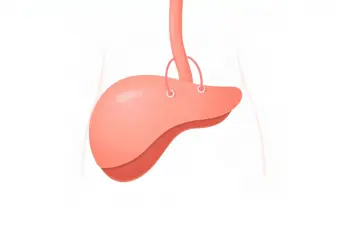
Jaundice provides a visible indicator of significant bile duct obstruction. When the common bile duct is blocked, bilirubin-a byproduct of red blood cell breakdown-cannot enter the intestine and instead builds up in the blood, leading to a yellowing of the skin and the whites of the eyes 146. Associated with this, patients may notice changes in excretory waste, such as dark, tea-colored urine and pale, clay-colored stools 1. These manifestations signify that bile flow is severely restricted, necessitating urgent diagnostic evaluation through imaging, such as an ultrasound 59.
Understanding Risk Factors and Silent Gallstones
The presence of gallstones does not guarantee the development of symptomatic disease. A substantial majority of individuals with gallstones remain asymptomatic; these cases are often referred to as silent gallstones 149. These stones typically do not obstruct the bile ducts and do not require clinical treatment because they do not interfere with the function of the gallbladder, liver, or pancreas 1. However, being aware of one's risk profile can assist in early identification should symptoms eventually occur 5.
| Risk Factor | Impact |
|---|---|
| Female Sex | Women are 65% to 75% of those with stones |
| Age | Prevalence increases with age, often plateauing in the sixth decade |
| Obesity | Significantly increases risk, particularly in men |
| Metabolic Health | Associated with diabetes, insulin resistance, and lipid abnormalities |
| Lifestyle | Physical inactivity is a known contributor |
As outlined in the table above, epidemiological data identifies several key factors that increase the likelihood of developing gallstones. These include female sex, advanced age, and metabolic conditions such as diabetes or high cholesterol 459. A family history of gallstone disease also plays a role, suggesting a potential genetic component to biliary formation 59. Monitoring these variables is common in routine clinical practice for individuals presenting with non-specific abdominal discomfort 9.
Diagnostic Processes and Medical Evaluation
Diagnosis for potential gallbladder issues relies on a combination of clinical history, physical examination, and imaging 9. Because gallbladder symptoms can mimic other abdominal syndromes such as appendicitis or peptic ulcers, clinicians must perform a thorough assessment 1. Ultrasound remains the primary imaging modality due to its accuracy in identifying gallstones and evaluating the thickness of the gallbladder wall, which indicates chronic inflammation 59.
Standard medical protocols suggest that if symptomatic gallstone disease is confirmed, surgical intervention, such as a cholecystectomy, is the common approach to resolve recurrent pain or prevent future complications 59. It is important to emphasize that self-diagnosis is insufficient given the potential for systemic complications. Any persistent or severe abdominal pain, particularly when accompanied by fever, jaundice, or changes in stool color, warrants prompt professional evaluation to determine the underlying cause and ensure appropriate care 179.
Sources
- National Institute of Diabetes and Digestive and Kidney Diseases (NIDDK), Symptoms & Causes of Gallstones
- Verywell Health, 5 Early Signs of a Gallbladder Problem
- Cleveland Clinic, Gallbladder Attack: Symptoms and How To Stop It
- Harvard Health, What to do about gallstones
- MSD Manual Consumer Version, Gallstones (Cholelithiasis)
- Cedars-Sinai, Gallstones Explained
- Harvard Health, Cholecystitis A-Z
- WakeMed, Gallbladder Health: What You Should Know
- Merck Manual Professional Edition, Cholelithiasis
- American Academy of Family Physicians, Gallstone Disease - Abdominal Pain Syndromes
Authored by MyTrendSpot team