Ways to manage high blood sugar at home: A clinical safety and self-care guide
When looking for ways to manage high blood sugar at home, the safest approach is to confirm the reading, assess symptoms, drink water, avoid additional sugary or carbohydrate-heavy foods, and follow an established diabetes action plan. A single elevated result can occur after a large meal, stress, poor sleep, illness, missed activity, or an inaccurate meter reading, so the number should be considered alongside the person’s symptoms and usual targets. 1
Confirm the reading and assess the situation
The first home step is to wash and dry the hands before testing again, because residue on the fingers can affect a meter result. Most non-pregnant adults with diabetes are often given targets of 80 to 130 mg/dL before meals and below 180 mg/dL after eating, although personal goals may differ according to age, health, and treatment. Repeated readings above an individual’s target deserve attention, particularly when accompanied by thirst, frequent urination, fatigue, dizziness, or blurred vision. 2
- Record the glucose value, testing time, meal timing, medication timing, and symptoms.
- Consider recent food, stress, poor sleep, illness, or missed activity as possible contributors.
- Contact a healthcare professional when readings remain high or no personal correction plan exists.
Hydration and safer immediate steps
Drinking water supports hydration while the kidneys remove some excess glucose through urine, but water is not a substitute for insulin or prescribed diabetes treatment. Sugary drinks, juice, and additional refined carbohydrates can raise glucose further and should generally be avoided during an elevated reading unless a clinician has provided different instructions. The safest response is measured rather than aggressive: recheck as directed, continue ordinary prescribed medicines, and avoid guessing doses or using unproven home remedies. 1
- Choose water unless a healthcare professional has advised another drink.
- Do not take extra insulin or diabetes medicine without instructions in the treatment plan.
- Seek professional advice if dehydration, persistent vomiting, or inability to keep fluids down develops.
Food choices, portions, and meal timing
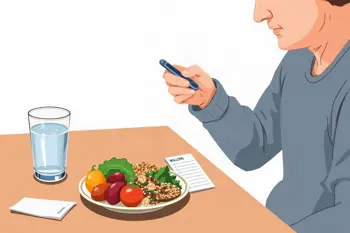
Longer-term control is supported by regular meals built around vegetables, legumes, whole grains, and other fiber-rich foods. Fiber slows digestion and carbohydrate absorption, which can produce a more gradual rise in blood glucose. Portion size also matters, especially for refined carbohydrates and sugary snacks. A diabetes meal plan emphasizes nutritious foods in moderate amounts and regular mealtimes, helping the body use insulin made by the body or supplied through medicine more predictably. 6
- Prioritize vegetables and other high-fiber foods before or alongside carbohydrate foods.
- Measure or plan portions instead of eating directly from large packages.
- Avoid skipping meals as a routine strategy, since inconsistent timing can contribute to difficult glucose patterns.
Physical activity and important limits
Regular physical activity can increase insulin sensitivity and allow muscles to use glucose for energy. A brisk walk is often included in diabetes self-management, but exercise is not appropriate in every high-glucose situation. Activity should be avoided when ketones are present or when the person feels unwell, because an underlying metabolic problem may require medical assessment rather than exertion. A personal care plan should specify when to check glucose or ketones and when activity should be postponed. 1
- Use gentle, familiar activity only when feeling well and when the care plan permits it.
- Check for ketones when instructed, especially during very high readings or illness.
- Stop activity if weakness, worsening symptoms, breathing difficulty, or unusual confusion occurs.
Medication, monitoring, and pattern recognition
Medication should be taken exactly as prescribed, including insulin, tablets, or other injections. If a clinician has supplied a correction-insulin formula, it should be followed precisely rather than estimated. Consistent glucose monitoring helps identify links between readings, foods, activity, stress, and medication timing. A written record can help a healthcare team determine whether treatment needs adjustment. Hemoglobin A1C provides an average glucose picture over roughly three months, so it complements, rather than replaces, home readings. 24
- Track readings in relation to meals, exercise, medication, sleep, and illness.
- Do not stop prescribed treatment because one reading improves.
- Discuss recurring highs with the diabetes care team instead of repeatedly self-correcting.
Stress, sleep, weight, and emergency warning signs
Stress hormones such as cortisol and glucagon can raise blood glucose, while poor sleep can affect insulin sensitivity and increase appetite for high-sugar foods. Healthy living plans therefore include stress management, sufficient sleep, physical activity, and weight management. However, home care has limits. Vomiting, confusion, deep or difficult breathing, severe dehydration, fruity-smelling breath, or suspected diabetic ketoacidosis or hyperosmolar state requires urgent medical assessment. 871
- Arrange medical advice for persistent thirst, frequent urination, blurred vision, or recurring high readings.
- Treat breathing difficulty, confusion, severe dehydration, or repeated vomiting as emergency warning signs.
- Recognize that diabetic ketoacidosis can involve ketones, while hyperosmolar state usually does not, and either condition can be serious.
Sources
- Acibadem Hospitals Group, “How To Drop Sugar Level Immediately: Safe First Steps”
- UT MD Anderson, “6 Tips to Lower Your Blood Sugar”
- National Institute of Diabetes and Digestive and Kidney Diseases, “Healthy Living with Diabetes”
- National Institute of Diabetes and Digestive and Kidney Diseases, “Managing Diabetes”
- Johns Hopkins Medicine, “Managing Diabetes: Six Healthy Steps with the Most Benefit”
- Mayo Clinic, “Diabetes Diet: Create Your Healthy-Eating Plan”
- Beyond Type 1, “What is High Blood Sugar + How Should I Treat It?”
- American Diabetes Association, “Hyperglycemia”
Authored by MyTrendSpot team