Early signs of Type 2 diabetes in adults: An analytical review of clinical markers and diagnostic indicators
Type 2 diabetes (T2D) is a chronic metabolic condition that arises when the body develops resistance to insulin or fails to produce sufficient quantities of the hormone, leading to persistent hyperglycemia 1. As global health data indicates that approximately 90% to 95% of all diabetes cases are classified as Type 2, understanding the early clinical markers is essential for long-term health management 9. Because this condition often progresses silently, many adults remain asymptomatic for years, making professional diagnostic screening the standard for identification rather than reliance on self-observation 4, 8.
Physiological Drivers of Symptom Development
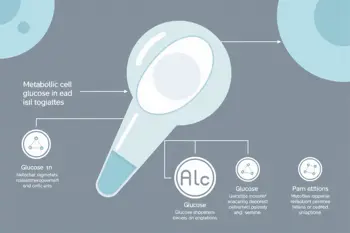
The primary driver of symptomatic progression in Type 2 diabetes is insulin resistance, which prevents glucose from entering cells effectively to serve as an energy source 7. When cells cannot access glucose, the body attempts to compensate, but elevated blood sugar levels remain in the bloodstream, resulting in a series of systemic responses 4. Clinical research defines healthy fasting blood glucose levels as falling between 70 and 99 mg/dL; levels reaching 126 mg/dL or higher are frequently used as a diagnostic threshold for diabetes 1.
As the disease advances, the pancreas may struggle to meet the demand for higher insulin secretion, further exacerbating hyperglycemia 2. This physiological cycle triggers various physical indicators that may manifest gradually. Patients should understand that these symptoms are not diagnostic in isolation, and definitive identification requires laboratory-based blood glucose measurement or hemoglobin A1C testing performed by a healthcare professional 6.
Common Clinical Presentations
Clinical observations highlight several hallmark indicators that occur as the body attempts to eliminate excess glucose or compensate for the lack of cellular energy 10. The most frequent reports include polyuria, or frequent urination, and polydipsia, an abnormal state of excessive thirst 2. These manifestations occur as the kidneys work to filter out the high concentration of sugar in the blood, which draws fluid from tissues and leads to dehydration 10.
| Symptom | Physiological Mechanism |
|---|---|
| Polyuria | Kidneys filtering excess glucose from the blood |
| Polydipsia | Dehydration resulting from increased fluid loss |
| Polyphagia | Inability of cells to absorb glucose for energy |
| Blurred Vision | Fluid shifts in the eye lens due to hyperglycemia |
Systemic Impacts and Energy Metabolism
Beyond thirst and urination, the metabolic dysfunction of Type 2 diabetes often manifests as chronic fatigue and unexplained weight loss 3. When the body cannot utilize glucose for fuel, it may begin to metabolize fat and muscle tissue for energy, leading to a reduction in body weight despite the person potentially feeling extreme hunger 3. This cellular energy deficit also results in persistent, unexplained tiredness that does not improve with standard rest, as the body lacks the fuel required for normal cellular function 10.
In addition to energy-related concerns, high blood sugar levels impact various tissues through fluid shifts. Blurred vision is a commonly reported symptom as the high glucose concentration alters the fluid levels within the eye lens, temporarily affecting visual clarity 3. Healthcare providers note that these ocular changes are a significant clinical indicator that merits investigation if they occur alongside other metabolic concerns 10.
Dermatological and Immune Markers
The impact of chronic hyperglycemia extends to immune system function and skin health. Patients frequently report slow-healing sores, which can be attributed to decreased circulation and a compromised immune response that inhibits effective tissue repair 3. Furthermore, frequent infections, particularly involving the skin, gums, or vaginal area, are documented as potential indicators of an underlying blood sugar issue 3.
A specific dermatological sign known as acanthosis nigricans may also appear in the early stages of insulin resistance 2. This condition is characterized by the development of dark, velvety patches of skin, typically located in body creases such as the neck, armpits, or groin area 2. While not present in every individual with Type 2 diabetes, its presence is a recognized clinical marker for metabolic health assessment during a physical examination 2.
Diagnostic Criteria and Professional Screening
Medical guidelines from major health organizations indicate that self-diagnosis using over-the-counter glucose monitoring equipment is insufficient for identifying Type 2 diabetes 6. Instead, healthcare providers utilize specific laboratory tests, such as fasting plasma glucose tests or hemoglobin A1C measurements, to confirm a diagnosis 8. According to current clinical standards, an A1C level of 6.5% or higher on two separate occasions is a common diagnostic threshold 8.
Because early detection allows for the implementation of lifestyle modifications and medical interventions that can delay or prevent severe complications, screening is recommended for high-risk individuals, including those over age 45 or those with family histories of the condition 6, 8. The reliance on formal medical assessment ensures that individuals receive appropriate guidance regarding glycemic control and the prevention of vascular disease, neuropathy, and nephropathy 2.
Ongoing Management and Research Trends
Managing Type 2 diabetes involves a long-term commitment to glycemic control, often through a combination of dietary adjustments, physical activity, and medical therapy 2. Research indicates that regular physical activity can contribute to modest reductions in hemoglobin A1C and improve cardiovascular risk factors, such as blood pressure and lipid profiles 9. Furthermore, weight management remains a fundamental component of the care plan, as it directly impacts insulin sensitivity 9.
Current epidemiological data reveals that approximately 1 in 6 adults in the United States lives with Type 2 diabetes, reinforcing the necessity for routine clinical check-ups 9. Since cardiovascular disease remains the leading cause of mortality in individuals with this condition, professional monitoring is not merely for symptom control but for the comprehensive preservation of systemic health 2. Engaging with a medical team allows for personalized education and the adjustment of treatment strategies as the disease progresses or responds to interventions 1.
Sources
- Cleveland Clinic: Type 2 Diabetes Overview
- Merck Manual Professional Edition: Type 2 Diabetes Mellitus
- Mayo Clinic: Diabetes Symptoms and Causes
- MedlinePlus: Diabetes Type 2 Basics
- National Institute of Diabetes and Digestive and Kidney Diseases: Tests and Diagnosis
- Jackson Hospital: Early Signs of Diabetes
- CDC: Diabetes Basics
- Living Diabetes: Clinical Diagnosis and Management
- Johns Hopkins University: Diagnosis and Treatment Review
- Clinical Data Summary: Symptom Mechanisms and Research Observations
Authored by MyTrendSpot team