Understand ovarian cancer treatment options: A Clinical Overview of Therapeutic Modalities and Management Strategies
Understanding the standard of care for ovarian cancer requires an analysis of multifaceted treatment modalities that are tailored to the specific pathology, stage, and individual health profile of the patient 1. Because this disease is often diagnosed at advanced stages, clinical management typically involves a combination of aggressive surgical interventions, systemic drug therapies, and increasingly, biomarker-driven precision treatments 2, 5. A multidisciplinary team of oncologists, surgeons, and specialists typically collaborates to design a strategy that addresses both the tumor burden and the patient's long-term quality of life 4, 10.
Surgical Interventions and Cytoreduction
Surgery remains a cornerstone of ovarian cancer treatment, with the primary objective being the removal of as much visible tumor tissue as possible, a practice clinically referred to as debulking or cytoreduction 1, 7. In early-stage cases where the disease is confined to the ovaries, procedures may include a bilateral salpingo-oophorectomy and an abdominal hysterectomy to remove the ovaries, fallopian tubes, and the womb 1. When the cancer has spread beyond the ovaries, surgeons may perform more extensive procedures, including the removal of lymph nodes, portions of the bowel, and affected fatty tissue within the abdomen 1, 7.
Systemic Chemotherapy Protocols
Chemotherapy is a standard systemic treatment used to eliminate remaining cancer cells, and it may be administered before or after surgical procedures 1. Neoadjuvant chemotherapy is often employed to shrink tumors prior to surgery, facilitating more effective removal 4. The standard first-line regimen for advanced epithelial ovarian cancer generally involves a combination of platinum-based agents and taxanes, typically delivered over six cycles 3. For specific patient cases, doctors may also consider intraperitoneal chemotherapy, which involves circulating heated, high-dose drugs directly into the abdominal cavity to target cancer cells at the site of the disease 4.
Evolution of Precision and Targeted Therapies
Recent advancements in molecular biology have shifted the treatment landscape toward precision oncology, where therapies are selected based on the genetic profile of the tumor 8, 9. Poly (ADP-ribose) polymerase (PARP) inhibitors represent a significant development, as they block proteins that cancer cells rely on to repair damaged DNA, proving particularly effective in patients with BRCA1/2 gene mutations 8, 10. Furthermore, anti-angiogenesis agents like bevacizumab are frequently integrated into treatment plans to inhibit the growth of new blood vessels that support tumor expansion 8, 10.
Emerging Immunotherapy and Biological Agents
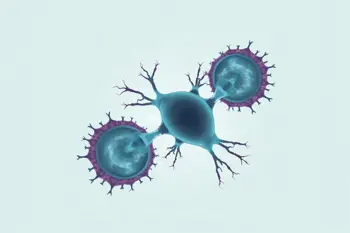
Research into immunotherapy continues to expand, with clinical trials exploring how to enhance the patient's immune system to identify and neutralize malignant cells 4, 8. While immune checkpoint inhibitors have shown limited efficacy as single agents in most ovarian cancer cases, their role in combination therapy is an active area of investigation 8. Additionally, antibody-drug conjugates, such as mirvetuximab soravtansine, have gained attention for their ability to deliver cytotoxic agents directly to specific cellular targets, potentially offering a more directed approach than traditional broad-spectrum chemotherapy 3, 8.
Hormone and Palliative Management
Hormone therapy is primarily reserved for specific, rarer forms of ovarian tumors, such as low-grade serous or granulosa cell tumors, where hormonal signals significantly influence growth 10. Radiation therapy, while historically common in other oncology fields, is not frequently utilized as a primary curative treatment for ovarian cancer 1, 10. Instead, it is most often employed in a palliative capacity to manage symptoms, reduce localized pain, or alleviate issues caused by tumor progression in advanced stages 10.
Monitoring, Follow-up, and Long-Term Care
Ongoing clinical oversight is essential for patients during and after treatment, as ovarian cancer management often shifts toward long-term surveillance 1. Patients are typically subjected to regular check-ups, which include physical examinations, CA-125 tumor marker blood tests, and advanced imaging scans to detect signs of recurrence 3. Because recurrence remains a risk in many cases, diagnostic work-ups and the integration of newer treatment modalities continue to be critical components of the patient's care plan throughout their survival journey 3, 5.
Sources
- https://www.nhs.uk/conditions/ovarian-cancer/treatment/
- https://my.clevelandclinic.org/health/diseases/4447-ovarian-cancer
- https://reference.medscape.com/cc2/p10/esmo-guideline-epithelial-ovarian-cancer-2026a1000di9
- https://www.pennmedicine.org/conditions/ovarian-cancer/treatment
- https://www.columbiadoctors.org/specialties/obstetrics-gynecology/our-services/gynecologic-cancer-care/conditions-we-treat/ovarian-cancer
- https://www.cancercouncil.com.au/ovarian-cancer/treatment/
- https://www.fredhutch.org/en/diseases/ovarian-cancer/treatment.html
- https://link.springer.com/article/10.1186/s13048-026-02165-z
- https://powerfulpatients.org/resource/ovarian-cancer-care-an-overview-of-todays-treatment-options/
- https://perspectivesinmedicine.cshlp.org/content/16/3/a038232.short
Authored by MyTrendSpot team