Signs you may have rosacea: A Clinical Overview of Chronic Facial Inflammation
Rosacea is a chronic, inflammatory skin condition that typically affects the central region of the face, including the cheeks, nose, forehead, and chin 1. Often misunderstood or misidentified as acne, sunburn, or general sensitivity, this condition requires an analytical approach to identify its specific phenotypic manifestations 3. An estimated 15 million individuals in the United States alone experience this recurring skin disorder, which can significantly impact quality of life if left unmanaged 8. Recognizing the early indicators of rosacea is the primary step in long-term skin health management 3.
Common Indicators and Clinical Presentation
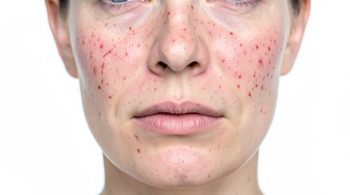
The clinical presentation of rosacea is highly variable, as symptoms often develop gradually and fluctuate over time rather than remaining constant 2. Many patients first observe frequent, intense episodes of flushing or blushing that occur more easily than expected, often accompanied by a sensation of warmth 5. Over time, this transient redness can transition into a persistent, fixed erythema on the central face 1. The appearance of small, thin, red lines known as telangiectasias, which represent enlarged blood vessels, is another hallmark of the condition 9.
Inflammatory lesions often accompany the aforementioned redness, presenting as red bumps or pus-filled pimples 6. Unlike acne vulgaris, these lesions typically appear without the presence of blackheads or whiteheads 1. Patients may also report significant sensory discomfort, characterized by persistent stinging, burning, or a sensation of extreme skin tightness and dryness 8. The condition is known to affect all skin tones, although clinical recognition can be more challenging in individuals with darker skin, where redness may manifest as a violet tone or dusky discoloration rather than typical pinkness 5.
Ocular Involvement and Advanced Symptoms
More than half of individuals diagnosed with rosacea experience ocular symptoms, which can occur independently or alongside facial manifestations 1. These symptoms often include persistent eye irritation, chronic dryness, or a sensation of grit within the eyes 6. Eyelids may become flaky, swollen, or itchy, contributing to a general sense of discomfort that often necessitates specialized evaluation 1. Neglecting these symptoms can potentially lead to more severe long-term complications related to ocular surface health 9.
In advanced cases, chronic inflammation can lead to structural changes in the skin tissue, a development known as phyma 1. The most recognized form, rhinophyma, involves the thickening and bulbous alteration of the skin on the nose 1. This occurs due to the hypertrophy of oil-producing glands and the thickening of surrounding connective tissues 1. While such changes are most commonly documented in men, they represent a significant progression of the inflammatory process that underscores the importance of early diagnosis and consistent medical management 1.
Environmental and Physiological Triggers
The progression and severity of rosacea symptoms are frequently linked to specific environmental and internal triggers that induce flares 7. Understanding these triggers is a critical component of the phenotypic approach to managing the condition 7. Common factors that lead to increased redness and discomfort include extreme temperature changes, solar radiation, and exposure to intense heat 6. Dietary and lifestyle factors, such as the consumption of spicy foods, hot beverages, and alcohol, have also been clinically noted to exacerbate symptoms in many patients 6.
Furthermore, psychological stress acts as a significant contributor to the frequency and intensity of flushing episodes 6. While these factors do not cause the condition, they frequently act as catalysts for flare-ups, making them a primary focus during clinical consultations 7. Identifying individual triggers requires careful observation by the patient, as the specific factors causing inflammation can vary significantly from one person to another 6.
Differential Diagnosis and Professional Assessment
Because rosacea presents with symptoms that overlap with numerous other dermatological conditions, professional assessment is required to confirm a diagnosis 9. Conditions often mistaken for rosacea include acne, lupus, seborrheic dermatitis, and allergic contact dermatitis 8. A dermatologist or healthcare professional evaluates these symptoms by considering the patient’s history, the location of the lesions, and the presence of specific vascular features 9. Accurate diagnosis is necessary because the therapeutic agents used to treat rosacea differ significantly from those used for common acne or other inflammatory skin issues 7.
| Feature | Clinical Description |
|---|---|
| Persistent Redness | Fixed erythema typically on the central face |
| Flushing | Episodes triggered by emotion, heat, or substances |
| Telangiectasia | Visible enlarged blood vessels |
| Papules/Pustules | Acne-like bumps without comedones |
| Phyma | Thickening of skin, usually on the nose |
The Role of Early Intervention
The current clinical consensus emphasizes a phenotype-based treatment strategy, matching therapies to the specific features an individual displays rather than relying on outdated subtype classifications 7. Early intervention is advocated because complete clearance of symptoms is associated with longer periods of remission and reduced risk of long-term skin tissue damage 7. By addressing individual symptoms such as background redness or inflammatory bumps, clinicians aim to provide more effective control over the chronic inflammatory cycle 7.
Maintaining long-term skin health requires a combination of strategies, including consistent, gentle skincare, daily photoprotection, and, when indicated, medical therapies such as topical gels, oral medications, or laser procedures 6. Because rosacea is a chronic, recurring condition, patients should expect to engage in ongoing management rather than seeking a singular, permanent cure 8. The primary objective remains the minimization of flare-ups and the preservation of skin integrity through professional guidance and the disciplined management of personal triggers 6.
Sources
- https://dermatology.ca/public-patients/diseases-conditions/skin-conditions/rosacea/
- https://www.dermatologyadvisor.com/factsheets/rosacea-signs-symptoms/
- https://www.manipalhospitals.com/delhi-ncr/blog/symptoms-of-rosacea/
- https://www.brynmawrdermatology.com/is-my-skin-red-or-do-i-have-rosacea-how-to-know/
- https://www.today.com/health/skin-beauty/rosacea-redness-breakouts-symptoms-treatment-triggers-prevention-rcna351148
- https://acibademinternational.com/health-library/rosacea-facial-redness-bumps-and-long-term-management/
- https://dermatologynews.net/articles/rosacea-phenotype-management-2026/
- https://www.doctorrogers.com/blogs/blog/rosacea-causes-triggers-treatment
- https://incitefulmed.com/resources/guides/rosacea-patient-guide/rosacea-symptoms-triggers/
Authored by MyTrendSpot team