Breathable Orthopedic Slip-On Sneakers Designed for Seniors: A Clinical Guide to Features, Brands, and Fit Considerations
Why Seniors Require a Specialized Sneaker Category
As the foot ages, it undergoes measurable structural changes including fat pad atrophy on the heel and ball, progressive ligament laxity, and increased susceptibility to conditions such as plantar fasciitis, peripheral neuropathy, and diabetic foot complications. Standard athletic footwear is engineered for biomechanically active, younger users and generally fails to address these specific physiological realities. The American Podiatric Medical Association recommends slip-on orthopedic sneakers for seniors specifically to prevent falls and reduce foot pain associated with arthritis and related conditions. 7
Reduced hand dexterity, limited spinal flexibility, and balance challenges mean that even the act of putting on shoes carries injury risk for many older adults. Hands-free or slip-on entry mechanisms directly respond to this functional barrier. Products like the Orthofeet Journey use a patented OFX Hands-Free technology allowing wearers to step in from a standing or seated position without bending, a design feature that has driven strong adoption among adults managing back pain or post-surgical recovery. 3 A reported user profile from People magazine cited a 78-year-old shopper navigating 40-hour work weeks using hands-free slip-on sneakers with bounce-back heel technology, demonstrating the real-world utility of this design approach. 10
Core Engineering Features: What Separates Orthopedic from Standard Slip-Ons
Breathable mesh uppers are a near-universal feature in senior-focused orthopedic slip-ons. Mesh fabric promotes continuous airflow, preventing moisture accumulation that can lead to fungal infections and skin breakdown, concerns that are significantly elevated in seniors with diabetes or circulation issues. 10 The Omega Walk Ortho Glide uses OrthoLite insoles paired with mesh fabric, gel inserts, and anti-microbial linings, creating a multi-layer moisture and hygiene management system rated 4.8 out of 5.0 based on over 50,000 reviews. 1 Aetrex's Felicity and Jocelyn knit slip-on lines use stretch-knit uppers that adapt to the shape of the foot, providing relief from plantar fasciitis, heel pain, and tired arches while maintaining breathability throughout extended wear. 7
Multi-layered cushioning platforms, often referred to as ortho-cushion systems, typically combine EVA midsoles, memory foam, and gel inserts to absorb shock from heel strike through toe-off. Orthofeet's Ortho-Cushion System uses a mild rocker profile that supports the foot's natural heel-to-toe rolling motion, reducing stress on ankles and the balls of the feet. 3 Removable insoles are another critical structural element: they allow integration of custom or prescribed medical orthotics, a common requirement for seniors managing flat feet, overpronation, or post-surgical needs. Podiatric-approved footwear consistently highlights removable insole compatibility as a baseline requirement for users who need specific medical-grade arch support. 12
Safety Engineering: Outsoles, Toe Boxes, and Fall Prevention
Slip-resistant rubber outsoles are a foundational safety feature in this category. The National Council on Aging identifies slip-resistant outsoles and ergonomic support as primary considerations for fall prevention in senior-focused athletic shoes, a concern with serious public health implications given that falls are a leading cause of injury among older adults. 11 Products such as the Thrive Footwear Cloud-Step Ortho Relief and Orthoserene Women's Lightweight Orthopedic Comfort Sneakers both specifically engineer their outsoles for use on wet floors and variable terrain surfaces including kitchens and hospital environments. 4
Wide toe box construction is equally critical. Seniors frequently experience foot widening, bunions, hammertoe, and edema that make standard-width footwear painful or unusable. Many specialized models in this segment accommodate widths from standard through extra-extra wide (4E), with Orthofeet's Journey offering widths up to 4E. 3 The Orthoserene sneaker incorporates a wide toe box alongside breathable materials specifically to allow natural toe splay, reduce pressure, and improve circulation, features that directly support seniors managing neuropathy or edema. Seam-free interiors are also standard in many diabetic-approved models, minimizing friction points that could cause skin breakdown in sensitive feet. 5
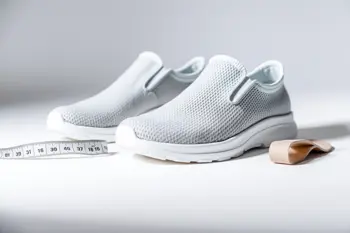
Notable Products and Market Positioning
The market for breathable orthopedic slip-on sneakers designed for seniors spans a broad general price range. Specialist brands such as Aetrex position their Jocelyn and Felicity knit slip-on sneakers with signature arch support and EVA midsoles in the approximately $99 to $110 range. 2 The Orthoshoes Corporation Breezy Women's Slip-On carries FDA and PDAC approval with an HCPCS Code A5500, making it eligible for diabetic footwear benefits under qualifying insurance programs, and it weighs under 6 ounces in size 6M. 11 The Dr. Scholl's Feel Well Slip-On, retailing at approximately $129.99 through DSW, incorporates Shock Guard Technology and a BLOOM foam footbed using 20% plant-based materials, targeting seniors who also prioritize sustainability alongside orthopedic function. 6
General-market platforms including Walmart and Amazon carry a wide selection of orthopedic breathable slip-on sneakers from brands such as Willtoo and Stichou, offering woven breathable uppers, arch support foam soles, and wide-width fits at accessible price points. 15 Zappos maintains a curated category of orthopedic slip-ons with detailed customer fit reviews and a well-documented return policy, which is particularly relevant for seniors who may need to exchange sizes due to foot asymmetry or daily swelling fluctuations. 5
Fit Considerations and Sizing Realities
Accurate measurement is essential when selecting orthopedic slip-on sneakers for seniors, and many manufacturers specifically note that customers should measure both feet while standing, as foot length increases slightly under body weight. Several brands in this category recommend sizing up by half to one full size to accommodate late-day swelling or thicker diabetic socks. Ortorex's wide-fit mesh slip-ons provide sizing from EU 36 through EU 46, translating to US sizes 5 through 12.5, giving buyers a broad reference point for cross-brand conversions. 5
Width availability remains a significant differentiator across the market. While many entry-level options offer only standard or wide widths, therapeutic-grade models generally extend to extra-wide and extra-extra-wide (4E) configurations to accommodate medically documented foot conditions. Seniors managing edema should specifically seek out models with adjustable hook-and-loop closures at the heel or vamp, such as the Breezy slip-on from Orthoshoes, which allows fit personalization as foot circumference shifts throughout the day. 11 General sizing charts across brands confirm that a US size 8 typically corresponds to approximately 25 to 25.3 centimeters in foot length, providing a useful baseline for verification before purchase.
Limitations and Practical Considerations
Despite their clinical design advantages, breathable orthopedic slip-on sneakers carry practical limitations that consumers should weigh carefully. Purely slip-on constructions without any lace or strap adjustment mechanism may not provide sufficient lateral stability for seniors with severe ankle instability or those recovering from recent surgery. Podiatrists frequently note that a firm heel counter, while present in most therapeutic models, may not fully compensate for absent lacing in high-pronation cases. Buyers with medically prescribed custom orthotics should also verify insole depth before purchase, as not all slip-on models offer sufficient added depth to accommodate aftermarket devices. 12
Material durability also requires attention. Lightweight knit and mesh uppers that deliver superior breathability tend to show wear faster than denser synthetic materials, particularly along the toe box where the fabric flexes repeatedly during the gait cycle. Seam-free interiors, while protective for sensitive skin, can also reduce structural reinforcement in high-friction zones over time. Seniors who walk several miles daily or use their footwear on abrasive outdoor surfaces should factor in realistic replacement timelines and examine outsole thickness before committing to a specific model. Orthopedic certifications such as APMA acceptance or FDA-PDAC approval provide an additional layer of confidence but should not substitute for professional podiatric evaluation for individuals with active foot pathology. 7
Sources
- Omega Walk - omegawalk.com
- Aetrex - aetrex.com
- DT Footwear / Orthofeet Journey - dtfootwear.com
- Thrive Footwear - thrive-footwear.com
- Ortorex - ortorex.com
- DSW / Dr. Scholl's - dsw.com
- American Podiatric Medical Association - apma.org
- Healthline - healthline.com
- Verywell Health - verywellhealth.com
- People Magazine - people.com
- Orthoshoes Corporation - orthoshoes.in
- National Council on Aging - ncoa.org
- Orthoserene - orthoserene.com
- Beemoda - beemoda.net
- Walmart - walmart.com
Authored by MyTrendSpot team