What are the primary warning signs of kidney disease? Clinical Perspectives on Renal Health Indicators
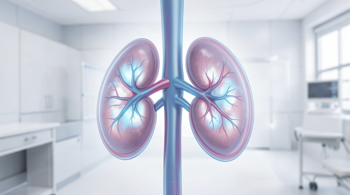
Chronic kidney disease (CKD) is a condition characterized by progressive damage and loss of function in the kidneys, affecting more than 35 million adults in the United States 3. Because the kidneys act as the body's natural filtration system, removing waste, toxins, and excess fluid, their decline can have systemic impacts 1. Notably, many individuals with CKD are asymptomatic, particularly in the early stages, with an estimated 90% of those affected remaining unaware of their condition 4. Understanding the potential warning signs is essential for those with risk factors, such as diabetes, high blood pressure, or a family history of renal disease 2.
The Asymptomatic Nature of Early Renal Decline
In the early stages of chronic kidney disease, the body often maintains a delicate balance despite reduced filtration capacity 6. Because the kidneys are highly resilient, significant damage may occur before observable symptoms emerge 5. Medical professionals frequently emphasize that when symptoms do present, they are often vague, mimicking the signs of other health conditions, which can lead to delayed detection 6. Consequently, routine testing for eGFR (estimated glomerular filtration rate) and uACR (urine albumin-to-creatinine ratio) remains the standard for identifying renal dysfunction early 2.
Common Physiological Warning Signs
As kidney function decreases, the body struggles to maintain homeostasis, leading to specific, observable physiological changes. These signs are often linked to the accumulation of waste products, fluid retention, and electrolyte imbalances that occur when the kidneys fail to perform their normal filtration duties 3. While these symptoms do not definitively indicate kidney disease, their persistence warrants a clinical evaluation 2. The following table summarizes frequently reported physical manifestations associated with declining renal function.
| Symptom Category | Clinical Manifestation |
|---|---|
| Urinary Changes | Foamy urine or presence of blood |
| Fluid Retention | Swelling in ankles, feet, or around eyes |
| Energy Levels | Persistent fatigue or decreased stamina |
| Dermatological | Dry, itchy skin |
| Cognitive/Neurological | Brain fog or difficulty concentrating |
Urinary and Fluid Balance Indicators
One of the most frequently cited indicators of kidney filtration issues involves changes in urination patterns and appearance. Foamy urine, for instance, may signify the presence of albumin, a protein that should remain in the blood but leaks into the urine when the kidneys' delicate filters are damaged 2. Additionally, patients may experience an increased frequency of urination, particularly at night. When kidneys are unable to remove excess sodium and water from the bloodstream, the resulting fluid retention typically manifests as edema, commonly seen as swelling in the ankles, feet, hands, or even puffiness around the eyes 6.
Systemic Impact of Waste Accumulation
When the kidneys can no longer efficiently clear toxins from the blood, a condition known as uremia can develop. This waste buildup can lead to a range of systemic symptoms, including persistent nausea, vomiting, and a noticeable metallic taste in the mouth 8. Furthermore, as renal function declines, the kidneys' ability to produce necessary hormones is compromised, which often results in anemia. This decrease in red blood cell production commonly manifests as chronic fatigue, persistent weakness, and a general loss of energy that does not improve with rest 1.
Electrolyte and Mineral Imbalances
The kidneys play a critical role in balancing minerals such as calcium, magnesium, and potassium, which are essential for nerve and muscle function 9. When this balance is disrupted, patients may experience uncomfortable muscle cramps and spasms. Additionally, the buildup of minerals that the kidneys fail to filter can lead to persistent itching or dry skin, a symptom often associated with more advanced stages of kidney disease and bone-mineral disorders 2. These issues highlight the interconnected nature of renal function and overall musculoskeletal health.
Hypertension and Long-Term Renal Risk Factors
High blood pressure serves a dual role in the context of kidney disease, acting as both a primary cause of damage and a symptom of deteriorating renal function 9. Because the kidneys regulate blood pressure through complex hormonal pathways, their inability to manage fluid and salt levels often exacerbates hypertension, creating a dangerous cycle of increasing damage 9. Managing blood pressure and blood sugar levels is a cornerstone of clinical strategies aimed at slowing the progression of chronic kidney disease and preventing further damage to the nephrons 3.
Sources
- Mayo Clinic: Chronic Kidney Disease Symptoms and Causes
- National Kidney Foundation: Signs and Symptoms of Kidney Disease
- NIDDK: What Is Chronic Kidney Disease in Adults?
- UCLA Health: What to know about kidney health
- Stony Brook Medicine: Kidney Disease Early Signs and Stages
- Kidney Care UK: 10 signs you may have kidney disease
- AdventHealth: What Are the Symptoms of Kidney Disease?
- NIH News in Health: Curbing Chronic Kidney Disease
- Cleveland Clinic: Kidney Failure Causes and Symptoms
- University Health: Understanding Kidney Disease Risks
Authored by MyTrendSpot team