Professional Dental Implant Restoration: Reliable Care Within Reach: A Comprehensive Clinical Analysis
The Evolution of Modern Implantology
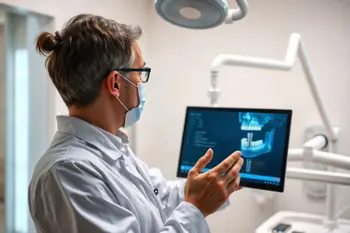
Modern implant dentistry has transitioned toward highly precise, digitally guided workflows that prioritize both functional stability and patient comfort 1. Clinical practices are increasingly adopting 3D cone-beam computed tomography (CBCT) to map patient anatomy with high accuracy, facilitating informed surgical planning that minimizes physiological complications 1. By replacing removable prosthetics, which often lead to jawbone atrophy and structural shifting, these advanced restorative services represent a shift toward permanent, evidence-based solutions for partial or complete edentulism 1.
Contemporary protocols, such as those implemented in clinics across the United States, allow for full-arch or single-tooth reconstructions within consolidated clinical environments 1. This integration of diagnostic evaluation and surgical placement streamlines the patient experience while maintaining the high standards established by the American Academy of Implant Dentistry (AAID) 1. The fundamental biological mechanism underlying these procedures is osseointegration, a process wherein living bone tissue fuses to biocompatible titanium or zirconia surfaces, effectively mimicking the structural integrity of natural tooth roots 1.
Full-Arch Solutions and Procedural Efficiency
Techniques such as All-on-4 represent significant advancements in addressing the 175 million people in the United States affected by tooth loss 2. Unlike traditional dentures, which can cause discomfort, bone loss, and speech alteration, these fixed solutions anchor a full arch of teeth directly to the jawbone using four to six strategically positioned implants 2. This reduction in the number of required implants allows for more efficient treatment paths, often eliminating the need for complex, multi-stage surgeries 2.
Clinical outcomes for these procedures are enhanced by the use of immediate loading protocols where temporary, functional teeth are secured shortly after surgery 6. Because the restoration is fixed, it eliminates the issues associated with slippage or the need for adhesives, allowing patients to regain masticatory function more naturally 7. Such systems have emerged as a standard of care for patients with extensive tooth loss, offering a stable alternative that mimics the aesthetic and functional properties of a complete, healthy dentition 7.
Key Factors Influencing Clinical Success
The longevity of an implant restoration is contingent upon several critical factors, including precise implant positioning and adequate bone density 4. Poor alignment can create uneven forces on the prosthetic, while insufficient bone volume may necessitate surgical intervention or alternative treatment planning to ensure long-term stability 4. Furthermore, mechanical stability-such as the integrity of the abutment and retention screws-requires professional monitoring to prevent wear or component loosening over time 4.
| Factor | Clinical Impact |
|---|---|
| Peri-implantitis | Bacterial inflammation threatening tissue and bone health |
| Implant Misalignment | Uneven force distribution affecting bite function |
| Bone Density | Determines structural foundation for the implant |
| Prosthetic Complications | Material wear requiring maintenance or replacement |
Clinicians also emphasize the importance of using high-quality materials, such as zirconia or lithium disilicate, which provide the necessary strength and aesthetic alignment for permanent crowns 7. These materials are chosen specifically to blend with a patient’s natural teeth, ensuring the restoration performs effectively while meeting individual aesthetic goals 8.
Maintenance and Preventing Peri-Implantitis
Successful restoration delivery is only the initial stage of the treatment journey; long-term viability relies heavily on consistent professional and personal maintenance 3. Peri-implant diseases, which are inflammatory conditions surrounding the implant, are cited by the American Dental Association as a major risk to implant longevity 3. Prevention protocols focus on ensuring that restorations are designed for easy cleaning and that patients adhere to a strict hygiene regimen involving regular brushing and flossing 3.
Signs of potential complications-such as persistent swelling, drainage, bleeding, or noticeable changes in the bite-warrant immediate professional assessment 3. Education on these risks should ideally occur during the pre-treatment planning phase to ensure patients understand their role in protecting the implant’s health 3. Professional cleanings, often scheduled on a semi-annual basis, are mandatory for monitoring the soft tissue health and ensuring the restoration remains stable within the oral environment 8.
The Role of Advanced Technology in Treatment Planning
Digital workflows have revolutionized the diagnostic process, enabling high-precision placement through guided surgical templates 1, 9. While advanced imaging like CBCT provides essential data, it acts as a tool to support, not replace, the clinical judgment of periodontists and prosthodontists 3. These technologies enable the creation of highly customized treatment plans that account for unique bone morphology and tissue health, leading to more predictable patient outcomes 5.
Many modern clinics now utilize advanced healing therapies, such as the application of platelet-rich fibrin (PRF) to accelerate tissue recovery after the surgical phase 5. When combined with digital scanning and 3D imaging, these therapies allow for a more streamlined and comfortable patient journey. The integration of these disparate technologies into a single-facility environment reduces the need for external referrals, ensuring that the same team handles the treatment from the initial consultation through the final restorative delivery 5.
Economic and Practical Considerations
The financial commitment for implant restoration varies based on the complexity of the case, the number of teeth being replaced, and the geographic location of the provider 10. While the initial cost of a single implant ranges between $3,000 and $4,500, the long-term value is often measured by the preservation of jawbone structure and the avoidance of ongoing expenses associated with traditional removable prosthetics 10, 5. Given the high clinical success rate-frequently reported between 95% and 98%-many patients consider this a cost-effective solution for permanent tooth replacement 10.
Patients should consult with providers regarding available payment options, as many dental offices facilitate third-party financing to manage the restorative costs 10. Regardless of the price, patients are encouraged to undergo a thorough clinical examination to verify bone health and discuss the expected timeline-typically lasting 4 to 6 months from initial placement to final restoration delivery-to ensure expectations are aligned with the biological healing requirements 10, 9.
Sources
- Perennial Dental Expands Surgical Implantology and Advanced Restorative Services in Louisville - lifestyle.myeaglecountry.com
- Asha Dental in Leawood Introduces All-on-4 Implant Solutions - express-press-release.net
- A Practical 2026 Guide to Reducing Peri-Implantitis Risk - medicalresearch.com
- 5 Key Factors for Successful Dental Implant Restoration - jaxdentalarts.com
- Dental Implants Sarasota, FL - srqsmile.com
- All On Four Implants in Highlands Ranch CO - restoredentalco.com
- Expert Implant Restoration in Chicago - dentistonirvingpark.com
- Dental Implants Merritt Island, FL - smilemore.com
- Dental Implants Newark, NJ - getsmile.net
- General Implant Dentistry Research Data - Medical/Dental Industry Standards
Authored by MyTrendSpot team