Understanding common causes of muscle cramps: An analysis of clinical triggers and physiological factors
Muscle cramps are sudden, involuntary, and often painful contractions of a muscle or muscle group that can occur at rest or during physical activity 1. Frequently referred to as a charley horse, these episodes involve bundles of muscle fibers tightening without conscious control, lasting anywhere from a few seconds to several minutes 2, 3. While often benign and idiopathic, especially when occurring as nocturnal leg cramps, these spasms may also indicate underlying metabolic, vascular, or neurological health concerns 4, 5, 6.
Physiological Mechanisms and Muscle Fatigue
At the mechanical level, a muscle cramp represents a departure from the normal cycle of fiber contraction and relaxation 3. Unlike intentional movement controlled by the brain, a cramp occurs when the muscle continues to contract autonomously 9. Muscle fatigue is a primary contributor, particularly when individuals engage in physical tasks or exercises they are not accustomed to performing 2, 5. When muscles are overworked, the neuromuscular junction may become hyperexcitable, leading to these intense, involuntary spasms 4, 11.
The Role of Dehydration and Electrolyte Imbalance
Fluid and mineral balance remains a central theme in the clinical understanding of muscle cramping 9. Dehydration, often resulting from heavy sweating during prolonged physical activity in hot environments, reduces the volume of fluid available to support proper cellular function 1, 3. Furthermore, the loss of critical electrolytes such as sodium, potassium, calcium, and magnesium interferes with the electrochemical signaling required for muscles to relax after contraction 3, 4, 5. A deficiency in these minerals, even if minor, can compromise the efficiency of muscle tissue 5.
Nocturnal Leg Cramps and Age-Related Prevalence
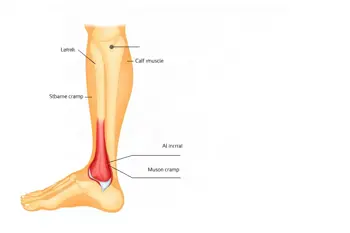
Nocturnal leg cramps are a widespread phenomenon, particularly among middle-aged and older adults, with approximately 1 in 17 Americans experiencing moderate to severe symptoms 2, 5. These nighttime episodes frequently occur in the calf, causing the foot to plantar flex involuntarily 2. While often idiopathic, they are frequently associated with prolonged stationary positioning during the day, muscle tension, and mild dehydration 5. Research indicates that persistent nighttime cramping can significantly impact sleep quality and overall daily function in older populations 6, 8.
Secondary Causes and Underlying Health Conditions
When muscle cramps occur frequently, they may serve as a symptom of an underlying medical condition rather than a standalone event 1, 7. Clinical evaluation often focuses on ruling out systemic issues, including peripheral artery disease, radiculopathy, and metabolic disorders such as thyroid or kidney dysfunction 1, 6. Peripheral arterial disease, for instance, can mimic cramping through intermittent claudication, where restricted blood flow and oxygen delivery to the limbs during exertion cause pain that typically resolves with rest 2, 7.
Medication-Induced Cramping
Certain classes of pharmaceutical agents are recognized as potential triggers for recurrent cramping 6. Drugs such as diuretics, which influence fluid and electrolyte balance, are common suspects in clinical settings 10. Furthermore, medications like statins, used for lipid management, and various asthma or blood-pressure therapies have been associated with an increased incidence of involuntary muscle contractions 10, 11. Physicians often review a patient’s full medication list when investigating the root cause of frequent, unexplained muscle spasms 1.
Management and Prevention Strategies
The immediate management of an acute cramp typically involves forceful, passive stretching of the affected muscle to encourage relaxation 1. For chronic cases, prevention strategies focus on lifestyle adjustments, including consistent hydration, a diet rich in essential minerals, and the implementation of regular stretching routines 1. In a recent clinical trial involving participants aged 50 to 85, researchers assessed the utility of medical compression stockings and magnesium supplementation; however, evidence-based consensus on the most effective preventative interventions remains an area of ongoing study 8.
| Category | Primary Contributing Factors |
|---|---|
| Exercise-Related | Muscle fatigue, overexertion, heat exposure |
| Metabolic | Electrolyte loss (sodium, potassium, magnesium, calcium) |
| Neurological | Nerve compression, radiculopathy, Parkinson disease |
| Vascular | Peripheral arterial insufficiency, reduced blood flow |
Sources
- StatPearls - NCBI Bookshelf
- Merck Manual Professional Edition
- Harvard Health Publishing
- Covenant Health
- Summit Health
- MedLink Neurology
- Legs Matter
- Springer Nature - Trials
- London Bridge Sports Medicine
- Mayo Clinic
- National Institute of Neurological Disorders and Stroke
Authored by MyTrendSpot team