Where nurses earn the most: U.S. nursing salaries compared by experience: A Comprehensive Analysis of 2026 Earnings Data
In 2026, the nursing profession remains a dynamic field where compensation is influenced by a complex interplay of experience levels, geographic location, and clinical specialization 1. While nationwide benchmarks provide a baseline, individual salary outcomes frequently fluctuate based on market demand and regional cost-of-living variables 4. Understanding these nuances is essential for navigating the current landscape, as the difference between starting pay and veteran-level earnings can be significant over the course of a professional career 1.
Progression of Nursing Salaries by Years of Experience
Career earnings for registered nurses (RNs) generally exhibit a steady upward trajectory as clinical expertise and operational responsibilities increase 1. Data indicates that entry-level nurses, typically defined as those with 0 to 2 years of experience, earn an average annual salary of $56,800 1. As these professionals transition into the early-career phase, covering 3 to 5 years, average compensation rises to approximately $68,400 1. This initial period of wage growth reflects the accumulation of independent clinical judgment and the transition from supervised practice to full-scale patient care responsibilities 1.
As nurses move into mid-career and veteran stages, pay increments continue but often at a more measured pace compared to early growth years 1. Mid-career nurses with 6 to 10 years of experience see their average salary reach $76,500, while those with 11 to 15 years earn roughly $84,200 1. By the time a nurse reaches veteran status with 16 to 20 years of service, average compensation climbs to $89,600, culminating in senior-level earnings of $94,200 for those with 20 or more years in the field 1. This trajectory represents a total career-lifespan increase of approximately 37.8% 1.
Geographic Impact on Earning Potential
Location is a primary driver of nursing income, with Pacific states frequently reporting the highest median salaries in the nation 4. California currently leads the country with a median RN salary of $140,330, followed by Hawaii at $136,320 and Oregon at $123,990 2. These figures, while high, must be viewed through the lens of regional cost-of-living adjustments, as states with higher compensation often present significant differences in housing and daily expenses 4. Washington and Alaska complete the top-five highest-paying states, with median salaries of $112,180 and $110,690 respectively 2.
Conversely, nursing salaries in states with lower costs of living may appear lower on a nominal basis, yet they can provide competitive purchasing power depending on the local economy 6. For example, while states like South Dakota, Kentucky, and West Virginia may reflect lower median salaries on a national scale, they remain vital components of the U.S. healthcare infrastructure 2, 4. Market experts emphasize that wage comparisons between states should account for union strength, staffing ratios, and local demand, which often dictate final salary offers more precisely than regional proximity alone 5.
Market Trends and Compensation Compression
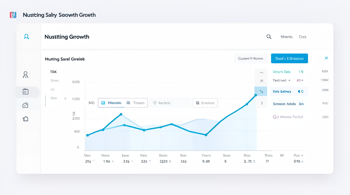
Recent industry analyses highlight a phenomenon known as pay compression, where the financial value of experience may flatten in later career stages 7. Although long-tenured nurses command higher absolute salaries, some organizations have observed that the rate of increase begins to plateau as staff reach senior roles 7. This has led many healthcare systems to prioritize targeted investments in specialty premiums and leadership pathways for experienced staff to maintain market competitiveness 7. These strategies are designed to ensure that seasoned clinical knowledge remains appropriately rewarded within the evolving healthcare compensation structure 7.
National Salary Benchmarks and Percentiles
The U.S. Bureau of Labor Statistics and other compensation analysts provide a distribution of nursing salaries that helps illustrate the spread between earners across different regions and specialties 2, 6. The following table provides a breakdown of the 2026 median salary landscape for registered nurses:
| Percentile | Annual Salary |
|---|---|
| 10th Percentile | $66,030 |
| 25th Percentile | $78,610 |
| Median (50th) | $93,600 |
| 75th Percentile | $107,960 |
| 90th Percentile | $135,320 |
These figures demonstrate that while the national median for registered nurses is approximately $93,600, the top 10% of earners can command salaries reaching $135,320 or more 2. Factors contributing to this upper-tier earning potential often include advanced certifications, work in high-acuity units like the intensive care unit (ICU), or transitions into travel nursing, where contract premiums can significantly augment annual income 5, 8.
The Role of Specialty and Contract Types
Beyond standard staff employment, nursing professionals may explore various career paths that offer alternative compensation structures 10. Travel nursing, for example, is frequently cited for offering higher short-term earnings, with standard contracts ranging from $105,000 to $145,000 annually 8. However, these roles come with different stability profiles and benefits packages compared to traditional permanent staff positions, making direct comparisons complex 4, 10. Advanced practice roles, such as nurse practitioners and certified registered nurse anesthetists (CRNAs), provide distinct trajectories for salary growth due to the higher level of education and broader clinical scope required 4, 10.
Outlook for the Nursing Workforce
The demand for qualified nurses remains robust, with the healthcare sector continuing to see significant job growth projections through 2034 2, 6. As the population ages, the ongoing retirement wave among current RNs creates a continuous need for both new graduates and experienced practitioners 9. For those currently in the field, staying informed about market-rate data and regional salary trends is a standard component of professional development 6. Employers continue to adapt by offering various incentive packages, including sign-on bonuses and education benefits, to attract and retain talent in a competitive labor market 6.
Sources
- Nurse Salary Data: Nurse Salary by Age and Experience Level 2026.
- PathScorer: Registered Nurse Salary 2026.
- Nurse.org: Nurse Salary Survey 2026 Results.
- AOL: Where It Pays to Be in Nursing, 2026 Study.
- Wealthvieu: Registered Nurse Salary 2026 Analysis.
- HealthTal: Registered Nurse Salary Guide 2026.
- SullivanCotter: Rethinking the RN Pay Journey, 2026.
- SalaryClear: RN Salary 2026 Benchmarks.
- Global Nurse Guide: Nursing Jobs USA 2026.
- PracticeTestGeeks: Registered Nurse Salary 2026.
Authored by MyTrendSpot team