Contemporary Bikini Styles and Trends: A Journalistic Analysis of Runway Influence, Textures, and Consumer Market Shifts
As beachgoers seek the latest modern bikini designs, contemporary bikini styles and trends have evolved from simple seasonal utility into a bold medium for personal fashion expression 1. Runway collections and major industry showcases, such as Miami Swim Week, continue to dictate the styles that transition from high-fashion runways to local shorelines 2. Rather than relying on fleeting novelty cuts, modern designers focus on structural longevity, sophisticated patterns, and functional versatility 3.
The historical trajectory of the two-piece swimsuit reveals a continuous dialogue between modesty and exposure. Originally introduced by designer Louis Réard in 1946, the first bikini shocked audiences by exposing the wearer's navel 4. In the modern era, the classification of bikini variants has expanded dramatically 4. From the ultra-minimalist lines of classic string styles to the highly structured curves of retro-inspired garments, modern consumers select silhouettes that align with both their aesthetic tastes 5 and functional requirements 6.
Architectural Silhouettes and Sculpting Cuts
A major shift defining the current market is the rise of the sculpted bikini, which utilizes structural engineering techniques typically reserved for eveningwear 7. Features such as molded cups, underwire supports, and structured bandeaus are designed to hold their shape after water exposure 7. Square-neck bikini tops have also gained prominent traction due to their clean, modern appearance 8. These structured necklines create a minimalist profile that translates seamlessly from water activities to beachside lounging when paired with lightweight resort cover-ups 9.
On the bottom half, high-waisted styles remain highly popular, offering retro-inspired visual lines alongside functional abdominal support 1. Modern iterations utilize precise tailoring, featuring wide waistbands, textured panels, and custom ruching 10. Concurrently, the Brazilian thong bikini has solidified its place as a staple for those desiring minimal coverage 11. Characterized by a high-cut leg line and thin side straps sitting high on the hip, this cut elongates the legs and limits prominent tan lines 11.
Color and Print Paradigms: From Butter Yellow to Bold Zebra
The contemporary color palette balances quiet, earthy luxury with high-visibility maximalism. Neutral tones such as chocolate brown, cocoa, warm mocha, sand, and terracotta represent consistent bestsellers due to their versatile pairing options 12 13. In contrast, pastel butter yellow and delicate lemon shades have emerged as soft, understated favorites that naturally complement sun-drenched coastal backdrops 14. On the vibrant end of the spectrum, rich cobalt and electric blue tones provide an active, energetic counterpoint that evokes classic retro beach aesthetics 15.
Pattern trends exhibit a similar duality of vintage restraint and graphic boldness. Traditional prints, including preppy plaids, mismatched polka dots, and classic gingham, evoke retro resort nostalgia 15 16. Meanwhile, bold animal prints, particularly zebra motifs, have transitioned into a modern neutral, offering a sophisticated visual balance that commands attention 17. High-fashion brands significantly influence these shifts by introducing Mediterranean-inspired patterns and highly detailed graphic designs to global markets 1.
Textural Complexity and Hardware Embellishments
Modern luxury in swimwear is increasingly defined by tactile fabric depth rather than loud brand logos. Crochet craftsmanship, puckered textiles, and ribbed knit fabrics in rich earth tones have become prominent resort wear choices 2 17. These structured, dimensional finishes add physical texture and visual movement to classic triangle bikinis and strapless tops 16 17. Additionally, the inclusion of supportive lining and double-layered textiles ensures that these textured fabrics maintain their shape, tension, and stretch recovery over prolonged usage 3 18.
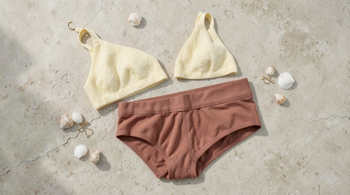
Decorative hardware and organic embellishments also elevate basic silhouettes. Sea-inspired details such as natural shells, bohemian beads, and pearls add an artistic, personalized feel to minimal bikinis 14 15. Metallic gold and silver hardware, along with statement metal rings, are strategically integrated into strap designs to catch sunlight and deliver a polished aesthetic 14 2. Shimmering metallic fabrics and glossy finishes further cater to consumers seeking high-impact, photogenic beachwear for social gatherings 1 19.
Sporty Aesthetics and Active Versatility
An athletic undercurrent is highly present in the current swim landscape, driven by a growing demand for functional activewear that performs well in surf conditions 16. Sporty rash guards, front-zip tops, boy-short bottoms, and casual board shorts have moved beyond performance-only wear 16 14. These items offer valuable sun protection and a cool, structured appearance 16. The rise of unconventional swim separates, such as swim skirts, tankini tops, and layered coordinates, allows consumers to mix and match to suit their active lifestyle 20.
This sporty movement frequently draws inspiration from early 2000s surf culture and active Y2K-era styling 14. Layered bikini designs featuring double straps, overlapping fabrics, or multi-colored panels mimic the visual appearance of wearing two separate swimsuits simultaneously 8. By combining protective active elements with contemporary visual cuts, these athletic-inspired sets allow users to easily transition from open-water sports to dry-land resort activities with minimal physical wardrobe adjustments 1.
Market Dynamics: Material Integrity, Pricing, and Maintenance
Navigating the modern swimwear market requires balancing aesthetic trends against practical considerations such as material performance and pricing structure. Consumer choices generally span budget, mid-range, and premium retail tiers, where material composition dictates overall durability 3. High-quality materials like recycled nylon, eco-friendly polyester, and premium piquè fabrics dominate sustainable product lines, offering superior stretch recovery and resistance to degradation from chlorine and saltwater 3 18. However, these advanced fabrics often carry higher upfront costs, representing a friction point for budget-conscious buyers 3.
Furthermore, structured swimwear designs require specialized maintenance to prevent rapid deterioration of delicate components. Elastane fibers, molded underwire cups, and gold hardware are highly susceptible to damage from harsh laundry detergents, hot sun exposure, and excessive heat from drying machines 16 3. Proper care, such as immediate rinsing in cold water and air-drying in shaded environments, is critical to maintaining garment tension and preventing color fading 3. Understanding these structural realities ensures consumers select garments that deliver lasting value alongside contemporary style.
Sources
- Fashonation
- Gorgeautiful
- Wondermapped
- Wikipedia
- ASG Fashions
- Be Juliet
- Luxury Endless
- MadameNoire
- Design Scene
- Wondermapped
- Audi Swim
- SwimOutlet
- Prizmatem
- Elle Baltic
- Bustle
- Harper's Bazaar
- Cosmopolmagazine
- Love Delina
- Anqtraders
- Nylon
Authored by MyTrendSpot team