Home recovery for wrist fracture: A Comprehensive Guide to Clinical Guidelines and Rehabilitation
Understanding the recovery process following a wrist fracture, particularly a distal radius fracture, requires an awareness of both biological healing phases and active rehabilitation efforts 8. A distal radius fracture involves a break near the thumb side of the wrist, a common injury often resulting from a fall onto an outstretched hand 1, 4. While the initial clinical focus is on bone alignment and immobilization, successful long-term outcomes rely heavily on consistent, guided home care to restore mobility, strength, and function 5, 9.
Initial Phase: Immobilization and Symptom Management
Most stable distal radius fractures are managed with a cast or splint, which typically remains in place for approximately four to six weeks 1, 7. During this immobilization stage, the primary objective is to protect the bone while managing inflammation. Patients are frequently advised to elevate the affected hand above heart level during the first few days to mitigate swelling 1, 13. Ice packs may also be applied for 15 to 20 minutes to manage localized inflammation during the acute phase 12, 18.
To maintain general health, surgeons often emphasize the negative impact of nicotine on bone consolidation; smoking is known to significantly slow the healing process, increasing the risk of complications 1, 16. Furthermore, it is essential to keep fingers, thumbs, elbows, and shoulders in motion during the casting period to prevent secondary stiffness 1, 14. Over-the-counter pain medications are often utilized to manage discomfort, though pharmacists or general practitioners should be consulted to ensure appropriate usage 2, 20.
Post-Cast Rehabilitation and Mobility
Once the cast is removed, typically between weeks four and six, the focus shifts to regaining range of motion 3, 8. The removal of immobilization often leaves the wrist feeling stiff and the forearm muscles weakened 2. Skin care is also a practical consideration at this stage; warm water soaking can assist in removing dry skin, and moisturizers can be applied as needed 2. It is important to increase hand usage gradually rather than performing excessive exercise in one session, as overloading the joint can lead to increased pain and setbacks 2.
Evidence-Based Rehabilitation Timelines
Clinical recovery follows a structured progression, often categorized by specific time frames and targeted exercises 3. The following table summarizes standard rehabilitation expectations for distal radius fractures:
| Phase | Time Frame | Focus |
|---|---|---|
| Early Passive | Days 1 to 14 | Pain-free passive motion, avoiding active contraction |
| Splint Removal | Weeks 4 to 6 | Tendon glides and gentle side-to-side stretches |
| Light Resistance | Weeks 6 to 8 | Soft ball squeezes and light weight-bearing (below 0.5 lbs) |
| Strengthening | Weeks 8 to 12 | Progressive resistance with bands or 1 to 2 lb weights |
The Role of Progressive Strengthening
As the bone heals, the transition from range-of-motion exercises to strengthening is critical for functional recovery 3. While bone healing may occur within six to twelve weeks, the restoration of full strength and function can take several months, sometimes up to a full year 4, 11. During the six-to-eight-week window, patients are often cautioned against lifting heavy objects, frequently advised to limit resistance to the weight of a cup of tea until further clinical clearance is provided 3.
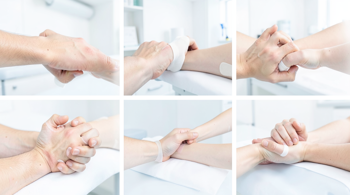
Physical therapy remains a standard component of this phase to guide patients through evidence-based protocols 3, 11. Therapists help patients manage the apprehension associated with moving a previously broken wrist, ensuring that exercises are performed with the correct frequency and intensity to build confidence and coordination 2, 5.
Warning Signs and Clinical Surveillance
Patients should remain vigilant for specific indicators that may suggest complications. Persistent or worsening pain, numbness, tingling, or the discoloration of fingertips (turning blue or white) are considered urgent warning signs that necessitate prompt medical evaluation 4, 15. Even in cases where a formal follow-up is not scheduled, the fracture site should be monitored for these neurovascular changes throughout the recovery cycle 1.
Individual recovery rates vary based on factors such as age, overall health status, the type of fracture, and whether surgical fixation (such as plate and screw insertion) was required 4, 9. Managing expectations is a vital part of the recovery process, as complex fractures or cases involving comorbidities may result in a more prolonged timeline for returning to full sports or heavy manual labor 4.
Long-Term Functional Considerations
Full functional recovery is a multifaceted process that extends beyond simple bone knitting. Engaging in a consistent home-exercise program helps prevent long-term complications like chronic stiffness or diminished grip strength 3, 10. Recovery is not merely the return of the bone to its original shape, but the re-education of the surrounding tendons and muscles to support the wrist joint during daily tasks such as typing, gripping, and lifting 3, 5.
Ultimately, professional guidance from a doctor or certified hand therapist is recommended to tailor recovery programs to the individual's specific needs. By adhering to prescribed protocols and maintaining communication with medical professionals, most individuals can safely navigate the transition from injury back to regular activity 5, 9.
Sources
- University Hospitals Sussex NHS Foundation Trust
- United Lincolnshire Hospitals
- Rebecca S. Yu, MD
- Acibadem Hospitals Group
- Hands on Therapy
- SC Sports Medicine
- Rebuild Physio
- Mayo Clinic
- American Academy of Orthopaedic Surgeons
- Cleveland Clinic
- Johns Hopkins Medicine
- University of Rochester Medical Center
- Harvard Health Publishing
- WebMD
- Healthline
- MedlinePlus
- OrthoInfo
Authored by MyTrendSpot team