Warning signs of hyperthyroidism: A clinical guide to symptoms, risks, and diagnosis
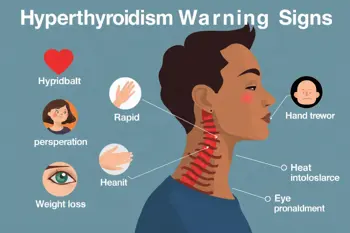
Warning signs of hyperthyroidism include unexplained weight loss, a fast or irregular heartbeat, increased sweating, heat intolerance, nervousness, irritability, tremors, and difficulty sleeping. Because excess thyroid hormone speeds up many body functions, symptoms may appear across several organ systems and can be mistaken for stress, aging, or another illness. 1
What hyperthyroidism does to the body
Hyperthyroidism, also called an overactive thyroid, occurs when the thyroid gland produces more thyroid hormone than the body needs. The thyroid is a butterfly-shaped gland at the front of the neck, and its hormones influence energy use, body temperature, digestion, fertility, and the speed of the heartbeat. Excess hormone causes many normal processes to operate faster than usual. 1
About 1 out of 100 Americans aged 12 years and older has hyperthyroidism. The condition is more common in women and people older than 60, and risk is higher with a family history of thyroid disease, certain autoimmune or endocrine disorders, substantial iodine exposure, nicotine use, or pregnancy within the previous six months. 1
Heart, weight, and metabolism warning signs
Cardiovascular and metabolic changes are among the most noticeable clues. A person may lose weight without trying, even when appetite increases, and may experience a rapid pulse, pounding heartbeat, or an irregular rhythm. Blood pressure and heart rate can rise, while persistent palpitations may signal a need for medical assessment rather than being attributed only to anxiety. 3
- Unintended weight loss or, less commonly, weight gain may occur. 2
- Increased appetite, thirst, sweating, and sensitivity to heat are possible. 2
- Long-term untreated disease can increase the risk of atrial fibrillation, heart failure, and bone loss. 3
Weight change alone does not establish a thyroid disorder. However, weight loss combined with palpitations, tremor, heat intolerance, or bowel changes is a more informative pattern to report to a healthcare professional. Symptoms may develop suddenly or gradually, and their intensity does not necessarily indicate the severity of the underlying cause. 2
Nervous system, sleep, and muscle symptoms
Excess thyroid hormone can produce nervous-system symptoms that resemble prolonged stress. Nervousness, anxiety, irritability, restlessness, poor concentration, and difficulty sleeping are commonly reported. Fine shaking or tremors in the hands may become more apparent when the arms are held out. These symptoms can occur alongside fatigue because the body remains in a persistently accelerated state. 2
Muscle weakness and fatigue are also recognized signs, particularly when weakness affects the upper arms or thighs and interferes with ordinary activities. Increased sweating and heat intolerance may make warm rooms or normal physical activity unusually uncomfortable. Hair thinning or hair loss and skin changes, including a rash in some people, may accompany the broader symptom pattern. 2
Digestive, neck, and reproductive changes
Digestive activity may increase, leading to more frequent bowel movements or diarrhea. Some people notice a persistent feeling of being overheated, while others first recognize swelling or fullness at the front of the neck. An enlarged thyroid, known as a goiter, or distinct thyroid nodules can be visible or palpable, although neck findings are not present in every case. 7
Hyperthyroidism can also affect reproductive and sexual health. Menstrual periods may become less frequent or irregular, and reduced fertility can occur. Erectile or other sexual problems and decreased libido are possible. These changes are important clinical information because they may be overlooked when attention is focused on weight, heart rate, or emotional symptoms. 4
Eye symptoms associated with Graves disease
Graves disease is the most common cause of hyperthyroidism and may affect tissues around the eyes. Possible warning signs include bulging eyes, eye discomfort or pressure, redness, swelling, light sensitivity, and changes in vision. Double vision can occur, and eye symptoms may require separate evaluation because they are not simply the result of a faster metabolism. 5
Eye findings are especially relevant when they occur with palpitations, tremors, heat intolerance, or a visibly enlarged thyroid. The presence of eye symptoms can help clinicians consider Graves disease, although symptoms alone cannot identify the cause. Thyroid nodules, thyroiditis, and certain medicines or iodine exposures can also produce excess thyroid hormone. 5
Less typical signs in older adults
Older adults may not develop the classic combination of nervousness, sweating, and tremor. Instead, hyperthyroidism may present with unexplained weight loss, depression, fatigue, weakness, reduced appetite, or a heart rhythm problem. These signs can resemble ordinary aging or other chronic conditions, which may delay recognition. 9
A change from a person’s usual energy level, body weight, appetite, or pulse is clinically relevant even when symptoms appear mild. Older adults with new atrial fibrillation, progressive weakness, or unexplained weight loss may require thyroid testing as part of a broader medical evaluation. The absence of obvious anxiety or shaking does not rule out an overactive thyroid. 9
When symptoms may signal thyroid storm
Thyroid storm, also called thyroid crisis, is a rare but life-threatening escalation of severe hyperthyroidism. Warning signs include a very rapid heartbeat, high fever, severe agitation or confusion, vomiting, stomach pain, and loss of consciousness. It may be triggered by infection, major physical stress, surgery, heart attack, or stroke. 3
Chest pain, severe palpitations, shortness of breath, fainting, marked confusion, or a high fever in a person with known or suspected hyperthyroidism should be treated as an emergency. Thyroid storm requires immediate medical care because untreated severe hormone excess can affect the heart, brain, temperature regulation, and other vital systems. 6
How hyperthyroidism is confirmed
Symptoms cannot confirm hyperthyroidism because many overlap with anxiety, infection, medication effects, heart disease, and other conditions. Healthcare professionals typically use blood tests measuring thyroid-stimulating hormone, or TSH, together with thyroid hormone measurements such as T4 and T3. Testing helps determine whether the thyroid is overactive and supports evaluation of the underlying cause. 5
Common causes include Graves disease, thyroid inflammation, and autonomous thyroid nodules. Treatment depends on the cause and may involve antithyroid medicines, radioactive iodine, or surgery. Because untreated disease can affect cardiac rhythm, bones, eyes, and overall strength, persistent or clustered warning signs warrant professional assessment rather than self-diagnosis. 3
Sources
- National Institute of Diabetes and Digestive and Kidney Diseases, Hyperthyroidism: https://www.niddk.nih.gov/health-information/endocrine-diseases/hyperthyroidism
- Penn Medicine, Hyperthyroidism: Symptoms and Causes: https://www.pennmedicine.org/conditions/hyperthyroidism
- Merck Manual Consumer Version, Hyperthyroidism: https://www.merckmanuals.com/home/hormonal-and-metabolic-disorders/thyroid-gland-disorders/hyperthyroidism
- Nebraska Medicine, What Is Hyperthyroidism, and How Is It Treated?: https://www.nebraskamed.com/health/conditions-and-services/endocrine-care/what-is-hyperthyroidism-and-how-is-it-treated
- Merck Manual Professional Edition, Hyperthyroidism: https://www.merckmanuals.com/professional/endocrine-and-metabolic-disorders/thyroid-disorders/hyperthyroidism
- Acibadem International, Hyperthyroidism: Symptoms, Causes, and Treatment: https://acibademinternational.com/health-library/hyperthyroidism-explained-by-medical-evidence-not-myths/
- Medical Park, Hyperthyroidism Symptoms: https://www.medicalpark.com.tr/en/health-guide/overactive-thyroid-hyperthyroidism
- Ochsner Health, Early Warning Signs of Thyroid Problems: https://blog.ochsner.org/articles/what-are-the-early-warning-signs-of-thyroid-problems/
- AARP, Warning Signs of a Thyroid Disorder: https://www.aarp.org/health/conditions-treatments/thyroid-disorder-warning-signs-symptoms/
Authored by MyTrendSpot team