Effective ways to manage cholesterol levels naturally: Evidence-based guidance for heart health
People looking for effective ways to manage cholesterol levels naturally generally focus on heart-healthy foods, staying active, and maintaining a healthy weight. These measures can help lower LDL cholesterol, support HDL cholesterol, and improve related cardiovascular risk factors, although results vary and some people require medical treatment. 1
Why cholesterol levels matter
Cholesterol is a waxy substance needed to build cell membranes, produce hormones, make vitamin D, and form bile acids. The liver produces most of it, while dietary sources include animal foods. LDL carries cholesterol that can accumulate in artery walls, whereas HDL helps transport excess cholesterol away from tissues. Triglycerides, another blood fat measured in lipid testing, also contribute to cardiovascular risk when elevated. 3
High cholesterol often produces no symptoms, so a blood test is needed to identify it. Nearly 40% of adults in the United States have high cholesterol, according to University of Rochester Medicine, and untreated elevation can increase the risk of heart disease and stroke. The appropriate LDL target depends on overall risk, medical history, and whether cardiovascular disease is already present. 1
Replace saturated fat with unsaturated fat
The type of fat consumed matters more than simply reducing total fat. Replacing butter, fatty meats, full-fat dairy, and other foods rich in saturated fat with unsaturated-fat sources can help lower LDL cholesterol. Examples include olive and other plant oils, nuts, seeds, avocado, and oily fish such as salmon, mackerel, and herring. Trans fats should be avoided because they adversely affect cholesterol and cardiovascular health. 2
Mediterranean- and DASH-style eating patterns apply this principle across meals by emphasizing vegetables, fruits, whole grains, legumes, nuts, seafood, and unsaturated oils while limiting highly processed foods and saturated fat. Food substitutions can be more practical than attempting to eliminate an entire food group. For example, beans or fish can replace some red-meat meals, and nuts can replace highly processed snack foods. 5
Increase soluble fiber gradually
Soluble fiber can bind bile acids in the digestive tract, encouraging the liver to use more circulating LDL cholesterol to produce new bile. Useful sources include oats, barley, beans, lentils, apples, and citrus fruits. The NHLBI Therapeutic Lifestyle Changes approach includes increased soluble fiber as a core dietary measure for LDL reduction, alongside lower saturated fat and appropriate plant sterol intake. 4
Fiber intake should be increased progressively, with adequate fluids, because a sudden increase may cause digestive discomfort. Psyllium is another soluble-fiber source, but supplements can interact with medicines or affect absorption when taken improperly. A dietary pattern containing several fiber-rich foods is generally more comprehensive than relying on a single ingredient. Individual LDL responses differ, so follow-up lipid testing is needed to assess the result. 3
Use activity and weight management together
Regular physical activity can improve the broader cholesterol profile, even when changes in LDL are modest. U.S. guidance generally recommends at least 150 minutes of moderate-intensity aerobic activity per week for adults. Exercise may also support lower triglycerides, healthier HDL function, improved blood pressure, and better overall cardiovascular fitness. Combining aerobic activity with strength training can address several cardiometabolic risk factors simultaneously. 7
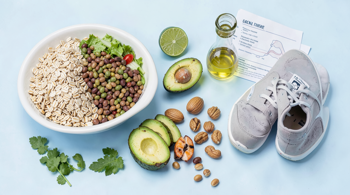
When excess weight is present, gradual weight management may improve LDL, HDL, and triglyceride levels, particularly when it accompanies a heart-healthy eating pattern and regular activity. Weight change is not the sole measure of success, and cholesterol can remain elevated in people who are not overweight. Smoking cessation is also important because it improves cardiovascular health, while excess alcohol can raise triglycerides and create other health risks. 7
Consider plant sterols and supplements cautiously
Plant sterols and stanols can modestly reduce LDL cholesterol by reducing intestinal cholesterol absorption. They are available through certain fortified foods and supplements, and the NHLBI identifies them as part of a dietary approach to cholesterol management. Their effect is not equivalent to treatment for established cardiovascular disease, and the suitability of fortified products depends on the person’s health status, diet, and medication regimen. 4
Evidence and safety considerations differ substantially among supplements. University of Colorado cardiology guidance notes that omega-3 products, berberine, red yeast rice, and some probiotics may affect cholesterol measures, but medical guidance is important because products can have side effects, interactions, variable formulations, or insufficient evidence for preventing cardiovascular events. “Natural” does not mean risk-free, and supplements should not replace prescribed therapy without professional advice. 9
Know when lifestyle changes are not enough
Lifestyle changes are often a first-line approach for mild to moderate lipid abnormalities and can complement treatment in higher-risk individuals. However, inherited conditions such as familial hypercholesterolemia may produce very high LDL levels that do not respond adequately to diet and exercise alone. A history of heart attack, stroke, peripheral artery disease, diabetes, or other major risk factors can also change the recommended treatment threshold. 9
Prescription cholesterol-lowering medication should not be stopped or delayed solely because lifestyle measures are being attempted. Clinical guidelines emphasize a heart-healthy lifestyle but also recommend medication when cardiovascular risk or LDL elevation warrants it. A clinician can interpret LDL, HDL, triglycerides, family history, existing disease, and repeat test results together, then determine whether lifestyle changes alone are an appropriate strategy. 6
Practical monitoring and maintenance
Effective management requires sustained habits rather than a short dietary experiment. A practical plan can include replacing saturated fats with unsaturated fats, adding beans or oats to meals, eating vegetables and fruit regularly, choosing fish or plant proteins more often, and scheduling consistent aerobic and strength activities. Keeping these changes manageable improves the likelihood that they will continue long enough to influence repeat laboratory results. 8
Cholesterol levels should be interpreted through periodic testing and individualized medical review. The goal is not simply to raise HDL or lower total cholesterol, but to reduce a person’s overall risk, with particular attention to LDL and triglycerides. The dietary portfolio approach, which combines several cholesterol-lowering foods, has produced meaningful LDL reductions compared with a low-saturated-fat diet in a peer-reviewed study, although responses vary between individuals. 11
Sources
- University of Rochester Medicine, “How to Lower Cholesterol Naturally”
- Cleveland Clinic, “7 Ways To Lower Cholesterol”
- NCBI Bookshelf, “Low Cholesterol Diet”
- National Heart, Lung, and Blood Institute, “Therapeutic Lifestyle Changes”
- American Heart Association, “Understanding Fats”
- Centers for Disease Control and Prevention, “About Cholesterol”
- MedlinePlus, “Cholesterol”
- Mayo Clinic, “Cholesterol: Top foods to improve your numbers”
- University of Colorado Anschutz, “How to Lower Your Cholesterol: Evidence-Based Tips to Protect Your Heart”
- American College of Cardiology, “Guideline on the Management of Blood Cholesterol”
- PubMed, “Dietary portfolio approach to cholesterol reduction”
Authored by MyTrendSpot team