Early symptoms of hypertension you should know: Clinical guidance on silent warning signs
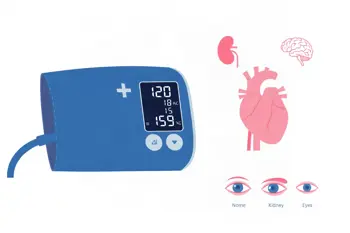
Early symptoms of hypertension you should know are not always obvious. High blood pressure is frequently called a silent condition because many people feel completely well while elevated pressure gradually affects the heart, blood vessels, brain, kidneys, and eyes. A blood pressure measurement, rather than symptoms alone, remains the most reliable way to identify it. 1
Why hypertension is often silent
Hypertension means that blood pushes against artery walls with excessive force over time. In United States clinical guidance, a consistent systolic reading of 130 mm Hg or higher, or a diastolic reading of 80 mm Hg or higher, meets the definition of high blood pressure. Because the condition may cause no warning signs, routine screening is central to early diagnosis. 1
Global data illustrate the scale of the detection problem. The World Health Organization estimated that 1.4 billion adults aged 30 to 79 had hypertension in 2024, representing 33% of that age group, while approximately 600 million, or 44%, were unaware of having it. These figures show why waiting for a physical sensation can leave hypertension undetected. 5
Headaches, dizziness, and lightheadedness
Persistent headaches may occur when blood pressure becomes severely elevated, particularly during a sudden rise. Descriptions can include a dull or pounding sensation, sometimes noticed in the morning or toward the back of the head. However, an ordinary headache does not establish that hypertension is present, because headaches have many possible causes and most people with routine hypertension have none. 2
Dizziness or lightheadedness is another symptom sometimes associated with uncontrolled blood pressure or blood-pressure fluctuations. It is nonspecific and can also accompany numerous other conditions, so it should not be used as a personal blood-pressure monitor. Repeated episodes, especially when combined with a measured high reading, warrant discussion with a healthcare professional rather than self-diagnosis. 4
Vision changes and pulsation sensations
Blurred or double vision can be associated with damage to the eye’s delicate blood vessels after blood pressure remains uncontrolled. Eye examinations may sometimes reveal vascular effects before a person notices other problems. New, sudden, or worsening vision changes are medically important because they can reflect serious eye, brain, or vascular problems that require prompt assessment. 4
Some people report a pounding or pulsating sensation in the ears, neck, or chest when pressure or blood flow feels unusually forceful. This sensation is not specific to hypertension and may have other explanations, including heart-rhythm or vascular issues. Palpitations, persistent pulsation, or symptoms accompanied by chest discomfort should be evaluated clinically rather than attributed automatically to high blood pressure. 1
Breathlessness, fatigue, and nosebleeds
Shortness of breath, particularly with physical exertion, can occur when cardiovascular strain or heart involvement develops in the context of high blood pressure. Unusual fatigue or reduced energy may also be reported when the heart is working harder than it should. Neither symptom confirms hypertension, but persistent changes in exercise tolerance deserve medical evaluation because untreated hypertension increases the risk of heart failure and other cardiovascular complications. 2
Nosebleeds are sometimes mentioned in connection with very high blood pressure, but they are not a dependable early sign of ordinary hypertension. Recurrent bleeding without an obvious injury, especially alongside a markedly elevated reading or other symptoms, should receive medical attention. Relying on nosebleeds as a screening method is unsafe because hypertension commonly causes no symptoms at all. 1
Blood pressure numbers and diagnosis
Blood pressure is recorded as systolic and diastolic numbers. The systolic value reflects pressure when the heart contracts, while the diastolic value reflects pressure between beats. The Centers for Disease Control and Prevention identifies normal blood pressure as below 120/80 mm Hg and high blood pressure as consistently at or above 130/80 mm Hg under commonly used United States guidelines. 3
A single elevated measurement does not necessarily establish a diagnosis because blood pressure changes during the day with activity and other circumstances. Healthcare professionals review readings over time and compare them with diagnostic guidelines. The WHO describes hypertension using a threshold of 140/90 mm Hg or higher measured on two different days, reflecting the fact that clinical thresholds can differ by guideline and setting. 35
Risk factors and the value of monitoring
Risk increases with older age, genetic or family history, excess body weight, physical inactivity, smoking, high salt intake, and excessive alcohol consumption. Diabetes and kidney disease are also important reasons for more frequent monitoring. Hypertension can develop at any age, and Mayo Clinic reporting notes that prevalence in early and middle adulthood has been rising globally. 25
Home monitoring may help healthcare teams understand whether readings remain elevated outside a clinic, particularly for people with a family history or related medical conditions. Measurements should be interpreted as a pattern rather than as proof based on one reading. Prevention and treatment can involve healthier eating, increased physical activity, tobacco cessation, and prescribed medicine when lifestyle changes alone are insufficient. 25
When symptoms require urgent evaluation
Very high blood pressure accompanied by chest pain, shortness of breath, severe headache, confusion, weakness, difficulty speaking, or sudden vision changes can indicate a medical emergency. These symptoms may signal damage involving the heart, brain, or other organs, rather than a minor fluctuation. Emergency medical services should be contacted according to local procedures when these warning signs occur. 12
Untreated hypertension raises the long-term risk of heart attack, stroke, heart failure, dementia, kidney disease, and eye problems. The absence of symptoms does not indicate that blood pressure is safe, and the presence of a symptom does not prove hypertension. Objective measurement, repeated clinical review, and appropriate treatment are the dependable safeguards against silent organ damage. 13
Sources
- Cleveland Clinic, “High Blood Pressure (Hypertension): Symptoms & Causes,” https://my.clevelandclinic.org/health/diseases/4314-hypertension-high-blood-pressure
- Mayo Clinic News Network, “High blood pressure can happen at any age: Expert shares prevention tips,” https://newsnetwork.mayoclinic.org/discussion/high-blood-pressure-can-happen-at-any-age-expert-shares-prevention-tips/
- Centers for Disease Control and Prevention, “About High Blood Pressure,” https://www.cdc.gov/high-blood-pressure/about/index.html
- National Council on Aging, “9 Surprisingly Subtle Symptoms of High Blood Pressure,” https://www.ncoa.org/article/9-surprisingly-subtle-symptoms-of-high-blood-pressure/
- World Health Organization, “Hypertension,” https://www.who.int/news-room/fact-sheets/detail/hypertension
Authored by MyTrendSpot team