Best hospitals for plastic surgery: An analytical overview of clinical standards and institutional excellence
Evaluating Clinical Excellence in Plastic and Reconstructive Surgery
Selecting a medical institution for plastic and reconstructive surgery requires a nuanced understanding of institutional expertise, safety protocols, and sub-specialty focus. Leading facilities often distinguish themselves through academic affiliations, high-volume surgical outputs, and the presence of double board-certified surgeons 1. Institutions such as UCSF Health are recognized for their work in microvascular surgery and facial paralysis restoration, utilizing advanced techniques to achieve natural-looking outcomes 1. Clinical environments prioritize the intersection of aesthetic improvement and functional restoration, whether addressing congenital conditions, trauma-related defects, or post-oncological reconstruction 6.
Patient outcomes in plastic surgery are intrinsically linked to the surgical team's expertise and the institution's commitment to innovation. For example, researchers and clinicians at centers like Brigham and Women’s Hospital integrate health services research with clinical practice to enhance delivery systems and surgical efficacy 5. When evaluating a hospital, it is critical to look for transparent reporting on surgeon credentials, including board certification through organizations like the American Board of Plastic Surgery 7, and adherence to safety mandates set by bodies such as The Joint Commission 9.
The Role of Specialized Fellowship and Academic Training
Top-tier plastic surgery programs are often characterized by their focus on fellowship training and academic research. Surgeons who have completed specialized fellowships in areas such as burn surgery, microsurgery, or aesthetic reconstruction bring a refined level of technical capability to their practice 7. At the University of Virginia, for instance, directors of microsurgery contribute to the field through both active clinical practice and participation in breast cancer outcomes research 3. This dual focus on patient care and research allows these surgeons to apply the latest evidence-based techniques to their daily practice.
Professional development remains a cornerstone of the best surgical departments. Surgeons associated with major academic medical centers frequently author peer-reviewed journal articles and contribute to medical textbooks, which signals a commitment to advancing the field 2. Prospective patients should consider the depth of a surgeon's academic involvement, including their leadership in societies like the Miami Society of Plastic Surgeons or the American Academy of Facial Plastic and Reconstructive Surgery 1, 2. These roles often correlate with a practitioner's engagement with ongoing quality improvement initiatives and the adoption of cutting-edge, minimally invasive surgical approaches.
Technological Integration in Modern Reconstructive Surgery
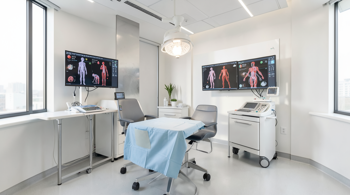
Modern plastic surgery centers have significantly altered their workflows by integrating sophisticated technology, such as 3D imaging, computer-aided surgical planning, and image-guided systems 4. At institutions like Johns Hopkins, this technology allows for highly complex procedures, including the reconstruction of facial features following significant trauma or cancer resection 4. These tools assist surgeons in achieving greater precision when transplanting tissues or restoring facial nerve function, thereby improving both aesthetic symmetry and physical function for the patient 4.
In addition to 3D technology, the use of AI-assisted outcome simulation has become a standard feature in leading aesthetic centers. This technology provides a bridge between patient expectation and surgical reality, allowing for clearer communication regarding potential outcomes 10. Furthermore, institutions such as the Phuket Plastic Surgery Institute highlight the global trend of blending surgical artistry with rigorous JCI-accredited safety standards, demonstrating that the standard for excellence is increasingly standardized across international, high-performing facilities that emphasize patient safety alongside aesthetic modification 8.
Criteria for Selecting a Qualified Surgical Facility
When investigating prospective hospitals for plastic surgery, one must navigate several variables, including insurance coverage, location, and the specific expertise of the surgeon. Major medical centers, such as those within the Mass General Brigham network, offer broad insurance acceptance, which can be a deciding factor for many patients requiring reconstructive procedures 7. Understanding the distinction between cosmetic and reconstructive insurance benefits is essential, as coverage varies significantly depending on the clinical necessity of the procedure 5.
| Metric of Evaluation | Importance |
|---|---|
| Board Certification | Primary indicator of standardized training and competency 7 |
| Fellowship Training | Demonstrates specialization in niche areas like microsurgery 7 |
| Hospital Accreditation | Ensures adherence to safety and patient care standards 9 |
| Academic Output | Reflects engagement with the latest surgical techniques 2 |
Managing Risks and Ensuring Long-Term Quality
All surgical procedures carry inherent risks, and high-quality institutions are transparent about these factors, providing comprehensive consultations that cover both potential benefits and complications. It is common for top facilities to focus on patient-centered care, which includes post-operative management, physical therapy, and longitudinal follow-up 5. Surgeons at leading institutions, such as those at the University of Michigan or Harvard Medical School, emphasize a meticulous approach to surgery, which is particularly vital for delicate procedures involving peripheral nerves or tissue reconstruction 5, 7.
Patient satisfaction is a measurable metric, yet it should be weighed alongside objective safety outcomes. Many hospitals now provide patient satisfaction scores and reviews to assist in the selection process, providing insight into the overall patient experience from consultation to recovery 2, 9. By combining these data points with an assessment of the facility’s specific surgical specializations, individuals can better identify an environment that is suited to their specific clinical needs, whether the goal is restorative, functional, or aesthetic in nature.
Global and National Trends in Specialized Care
The landscape of plastic surgery is evolving toward higher specialization, with centers of excellence concentrating on specific functional areas such as craniofacial surgery, breast reconstruction, and facial reanimation 4, 10. This shift is driven by the complexity of modern surgical needs, requiring multidisciplinary teams that may include otolaryngologists, dermatologists, and oncologists working in tandem with plastic surgeons 4. As research continues to refine surgical outcomes, the role of academic hospitals remains central to the implementation of these improvements in the broader surgical community.
Patients are encouraged to utilize resources such as the American Society of Plastic Surgeons directory to verify practitioner credentials independently 8. Furthermore, engaging in thorough discussions regarding the specific surgical history, case volume, and complication rates of a chosen facility remains a prudent step in the vetting process. As high-acuity facilities continue to integrate complex technologies and research-backed protocols, the potential for success in both reconstructive and cosmetic domains increases, provided the patient’s clinical criteria are aligned with the institution’s core strengths.
Sources
- UCSF Health: Facial Plastic & Reconstructive Surgery
- Cleveland Clinic: Dr. Martin Newman, MD
- UVA Health: Christopher Campbell, MD
- Johns Hopkins Medicine: Dr. Kofi O. Boahene, MD
- Mass General Brigham: Dr. Nicholas Lee Berlin, MD
- DHEE Hospitals: Plastic Surgery Specialty
- Mass General Brigham: Dr. Indranil Sinha, MD
- Phuket Plastic Surgery Institute: Safety and Quality Standards
- Castle Connolly: Dr. Christina M. Plikaitis
- Mass General Brigham: Dr. Andrea L. Pusic, MD
Authored by MyTrendSpot team