Warning signs of lupus: A clinical overview of symptoms and red flags
Why lupus symptoms can be difficult to recognize
Lupus is an autoimmune condition in which the immune system attacks the body’s own tissues, producing inflammation that may affect the joints, skin, kidneys, blood cells, brain, heart, and lungs. 1 Symptoms vary considerably: they may begin suddenly or gradually, remain mild or become serious, and last briefly or persist. 1 This broad range is one reason lupus can resemble other illnesses and remain difficult to identify from symptoms alone. 2
The most common form is systemic lupus erythematosus, while other forms primarily affect the skin or may be associated with medicines. 3 Lupus often follows a flare pattern, with periods when symptoms worsen followed by quieter intervals when they improve or disappear temporarily. 1 A changing combination of fatigue, pain, rashes, fever, or organ-related symptoms is therefore more informative than one isolated complaint. 4
Skin and sun-related warning signs
The best-known warning sign is a butterfly-shaped rash across both cheeks and the bridge of the nose. 1 It may appear after sunlight exposure and can worsen in the sun. 1 The rash may look red on white skin and can be harder to see on Black or brown skin. 1 Importantly, many people with lupus do not develop this classic facial rash, so its absence does not exclude the condition. 1
Photosensitivity is another relevant clue, particularly when ultraviolet exposure triggers or intensifies a rash or other symptoms. 8 Lupus-related skin findings can occur on parts of the body other than the face and may be accompanied by recurrent mouth or nasal ulcers and hair thinning or shedding during flares. 8 These features are not diagnostic by themselves, but a repeated connection between sun exposure and symptoms is clinically important to report. 8
Fatigue, fever, and joint symptoms
Persistent tiredness is among the most frequently reported lupus symptoms. 1 Physicians describe fatigue as potentially overwhelming and not necessarily proportional to physical activity, while one clinical report states that about 90% of patients report persistent fatigue and a general sense of feeling unwell. 5 Unexplained fever is also listed among common manifestations, particularly when systemic inflammation becomes more active during a flare. 1
Joint pain, stiffness, and swelling are common warning signs and can resemble arthritis or another musculoskeletal disorder. 1 Symptoms may involve the hands, wrists, and other joints, with severity changing over time. 8 A recurring combination of joint symptoms, marked fatigue, low-grade fever, or a general feeling of illness is more suggestive of a systemic process than a single episode of ordinary soreness. 5
Circulation, chest, and breathing symptoms
Some people with lupus experience Raynaud’s phenomenon, in which fingers or toes turn white or blue during exposure to cold or periods of stress. 1 The color change may be harder to see on Black or brown skin, making numbness, cold sensations, or changes noticed by touch potentially relevant details. 1 Recurrent episodes should be documented because they can occur alongside other connective-tissue-disease features, including photosensitive rashes and mouth ulcers. 8
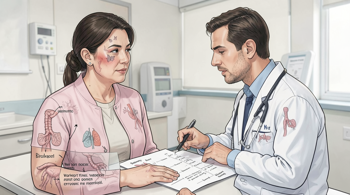
Shortness of breath and chest pain are symptoms that can occur when lupus affects the lungs or the lining around them. 1 Chest pain associated with inflammation of the lung lining, known as pleurisy, may be especially noticeable with deep breathing. 7 These symptoms have several possible causes, so they should not be assumed to indicate lupus. New, severe, or worsening chest pain or breathing difficulty requires prompt medical assessment rather than self-diagnosis. 7
Kidney, blood, and nervous-system clues
Lupus can affect the kidneys, sometimes without dramatic pain in the early stages. 1 Swelling in the lower legs, feet, or around the eyes may indicate kidney involvement, while reduced urine output is identified as a warning sign requiring early medical attention. 7 Because kidney disease can be clinically subtle, urine testing and broader medical evaluation are important when swelling or urinary changes occur in the context of other lupus-like symptoms. 6
Neurological symptoms can include headaches, confusion, memory loss, difficulty concentrating, and the cognitive problems often called “lupus fog.” 1 Lupus may also affect blood cells, although the supplied clinical descriptions emphasize that symptoms differ according to the organs involved. 1 Severe headache, new confusion, or major cognitive change should be treated as a significant medical concern because nervous-system involvement is among the possible serious complications. 7
How clinicians assess suspected lupus
No single symptom confirms lupus, and a positive laboratory result alone does not establish the diagnosis. 8 Assessment generally combines a detailed symptom history, physical examination, blood tests, and urine tests, with imaging or biopsy used in some situations. 6 Clinicians consider whether symptoms affect several body systems, whether they recur in flares, and whether findings such as photosensitivity, Raynaud’s phenomenon, ulcers, swelling, or joint inflammation form a consistent pattern. 8
Medical review is particularly appropriate when unexplained fatigue, joint pain, fever, rash, mouth sores, swelling, chest symptoms, or color changes in the fingers repeatedly occur together or return in flares. 10 Symptoms may be triggered or worsened by sunlight, infections, stress, poor sleep, or stopping prescribed medicines without medical advice. 10 Early recognition and continuing follow-up can help clinicians monitor organs over time and reduce the risk of complications, although symptom patterns remain different for each person. 26
Sources
- Mayo Clinic, “Lupus: Symptoms & causes”
- American Medical Association, “What doctors want patients to know about lupus”
- NewYork-Presbyterian, “What is Lupus? Understanding the Symptoms and Treatment”
- Cedars-Sinai, “How to Find Out If You Have Lupus”
- Prevention, “Doctors Share the Lupus Symptoms You Shouldn’t Ignore”
- Acibadem Hospitals Group, “Lupus: Early Symptoms, Flares, Diagnosis”
- Acibadem Hospitals Group, “Lupus Symptoms Explained: Common Triggers and Red Flags”
- Dr. Animesh Singh, “Could It Be Lupus? Symptoms, Blood Tests and When to Seek Specialist Advice”
- Island Rheumatology and Osteoporosis, “Is It Lupus? Early Warning Signs You Shouldn’t Overlook”
- Acibadem Hospitals Group, “Lupus Flares: Common Triggers, Warning Signs, and Daily Self-Care”
Authored by MyTrendSpot team