Ways to manage GERD symptoms at home: A Clinical and Lifestyle Perspective
Gastroesophageal reflux disease (GERD) is a common chronic condition affecting approximately 13% of the global population, characterized by the frequent backward flow of stomach contents into the esophagus 3, 9. While medical intervention is often necessary for persistent cases, many individuals utilize home-based strategies to mitigate symptoms such as heartburn, regurgitation, and chest discomfort 1, 7. These management techniques focus on mechanical adjustments, dietary modifications, and the appropriate application of non-prescription pharmaceutical therapies 2, 8.
Mechanical and Positional Adjustments
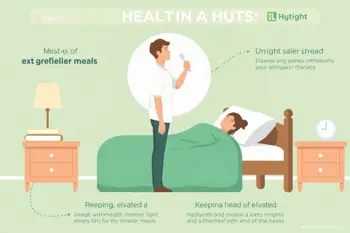
Gravity plays a significant role in managing GERD symptoms, particularly during sleep. Clinicians frequently recommend elevating the head of the bed to prevent acid from rising into the esophagus throughout the night 1, 3. Utilizing a foam wedge or specialized bed risers to elevate the upper body by 6 to 8 inches is considered more effective than simply stacking multiple ordinary pillows, which may not provide the necessary incline to support the upper back and chest 1, 10. Furthermore, it is advised to avoid lying down within two to three hours after consuming a meal to ensure the stomach has sufficient time to empty, thereby reducing the pressure that can cause reflux 4, 6, 8.
Dietary Habits and Nutritional Considerations
Modifying eating habits is a primary component of self-care for GERD. Reducing the size of meals and eating at a moderate pace can decrease the mechanical pressure placed on the lower esophageal sphincter (LES) 8, 9. Certain foods are widely recognized as common triggers that may loosen the LES or otherwise exacerbate reflux symptoms, including high-fat foods, spicy dishes, chocolate, caffeine, alcohol, mint, and acidic items like citrus fruits and tomatoes 5, 6. Keeping a personal symptom diary can assist in identifying these unique dietary triggers, allowing for targeted elimination that may improve quality of life for those with mild or infrequent symptoms 5, 8.
The Role of Weight Management
Excess body weight, particularly when concentrated around the abdomen, is a significant risk factor for the development and exacerbation of GERD 4, 7. Increased abdominal pressure can force stomach contents upward and cause the lower esophageal sphincter to relax inappropriately 7. Clinical guidelines often suggest that patients who are overweight or have obesity pursue weight loss as a means to alleviate symptoms 1, 6. Achieving and maintaining a healthy weight can reduce the mechanical stress on the diaphragm and the stomach, potentially improving the functionality of the gastroesophageal junction 3, 7.
Overview of Over-the-Counter Pharmacological Options
For individuals requiring more than lifestyle modifications, several classes of over-the-counter medications are commonly utilized for symptom management. Antacids are often the first line of defense, as they neutralize existing stomach acid to provide quick, short-term relief from mild heartburn 1, 8. However, they do not heal esophageal damage and are not intended for daily, long-term use without clinical supervision 1, 8. Other options include H2 blockers, which reduce acid production, and proton pump inhibitors (PPIs), which are generally more effective at decreasing acid levels and allowing the esophagus to heal 1, 8.
| Medication Class | Primary Function | Use Case |
|---|---|---|
| Antacids | Neutralize acid | Mild, intermittent relief |
| H2 Blockers | Reduce acid production | Longer-lasting symptom reduction |
| Proton Pump Inhibitors | Inhibit acid secretion | Frequent symptoms, esophageal healing |
It is important to note that PPIs and H2 blockers should be taken according to package directions, and their use should be discussed with a healthcare provider if symptoms persist or if reliance on these medications becomes frequent 1, 8, 10.
Risk Factors and Comorbidity Considerations
Several factors beyond diet and weight can impact the severity of GERD. The use of tobacco products is frequently linked to increased reflux risk and is recommended to be discontinued 1, 3, 4. Additionally, certain prescribed medications for conditions such as high blood pressure, asthma, anxiety, and Parkinson disease may induce or worsen reflux symptoms 4. Pregnancy can also increase the frequency of GERD due to physiological changes and increased abdominal pressure 4, 7. Patients should never alter or stop prescribed medications without consulting their primary care provider, even if they suspect a link to digestive distress 4.
When to Seek Professional Medical Evaluation
While home management can be effective for many, it is not a replacement for clinical evaluation, especially when symptoms are severe or persistent 8. Medical intervention is necessary if an individual experiences alarm symptoms, which include unexplained weight loss, difficulty or pain when swallowing, persistent vomiting, bleeding, or recurrent chest pain 8. Diagnostic procedures, such as endoscopy or esophageal pH testing, may be required to assess for potential damage like esophagitis or strictures 3, 8. Ignoring chronic symptoms may lead to long-term esophageal inflammation and other complications, reinforcing the need for professional oversight if self-care measures fail to provide adequate relief 2, 3, 8.
Sources
- National Institute of Diabetes and Digestive and Kidney Diseases: https://www.niddk.nih.gov/health-information/digestive-diseases/acid-reflux-ger-gerd-adults/treatment
- Mayo Clinic: https://www.mayoclinic.org/diseases-conditions/gerd/diagnosis-treatment/drc-20361959
- Merck Manual Consumer Version: https://www.merckmanuals.com/home/digestive-disorders/esophageal-and-swallowing-disorders/gastroesophageal-reflux-disease-gerd
- Penn Medicine: https://www.pennmedicine.org/conditions/gastroesophageal-reflux-disease
- National Institute of Diabetes and Digestive and Kidney Diseases: https://www.niddk.nih.gov/health-information/digestive-diseases/acid-reflux-ger-gerd-adults/eating-diet-nutrition
- Cleveland Clinic: https://my.clevelandclinic.org/health/diseases/17019-gerd
- Ohio State Health & Discovery: https://health.osu.edu/health/general-health/how-to-manage-acid-reflux
- Acibadem Hospitals Group: https://acibademinternational.com/health-library/gastroesophageal-reflux-disease-self-care-symptoms-causes-and-treatment-options/
- Merck Manual Professional Edition: https://www.merckmanuals.com/professional/gastrointestinal-disorders/esophageal-and-swallowing-disorders/gastroesophageal-reflux-disease-gerd
- U.S. Food and Drug Administration: https://www.fda.gov/drugs/special-features/use-over-counter-heartburn-medicines
Authored by MyTrendSpot team