Home recovery for bunion surgery: Clinical guidelines and post-operative milestones
Understanding the Bunionectomy Recovery Process
Bunion surgery, or a bunionectomy, is a specialized procedure performed to remove bony growths from the metatarsophalangeal (MTP) joint, where the big toe connects to the foot 1. The surgical technique typically involves realigning the toe and may utilize internal hardware such as small screws or wires to maintain bone positioning during the healing phase 3. While outcomes are generally positive, successful recovery depends heavily on the patient adhering to post-operative protocols that prioritize rest, wound care, and controlled weight-bearing 4. Modern surgical approaches, including minimally invasive techniques, aim to reduce scarring and swelling, though the fundamental requirements for post-operative care remain consistent across most procedural types 4, 9.
The recovery journey is categorized into distinct milestones, beginning with the immediate post-operative period 4. Most operations are performed as day-case surgeries, meaning patients return home the same day under the supervision of a responsible adult for the first 48 hours 3. During the initial days, the primary objectives are pain management and minimizing inflammation 4, 9. Long-term recovery, which involves returning to normal activity and high-impact exercise, typically spans several months as the foot continues to adapt to its new structural alignment 5, 10.
Essential Home Preparation Before Surgery
Establishing a recovery-friendly home environment is a critical step in facilitating a smooth recuperation process 2, 5. Patients are encouraged to clear walkways of clutter to prevent falls, as mobility may be limited and assistance devices like canes or walkers might be required 2. It is advisable to organize the bedroom with extra pillows to ensure the leg can be properly elevated, which is vital for reducing edema 2. Placing essential items like water and prescribed medications within reach of the bedside helps maintain independence during the initial days of recovery 2.
Practical logistical planning also includes stocking the kitchen with sufficient food to avoid the need for shopping during the immediate post-operative phase 2. Because surgeons often provide specific instructions regarding movement, identifying a designated recovery space on the main floor of the residence is often recommended to minimize the need for navigating stairs 6. Enlisting the support of family or friends to assist with daily tasks for the first few days can significantly improve the quality of care and reduce stress during the transition from the hospital to home 6.
The Initial 48 Hours and Wound Management
The first 48 hours represent the 'golden window' of recovery, where consistent elevation and icing are used to control swelling 7. Surgeons typically provide clear protocols for how to use ice packs to alleviate discomfort without damaging the dressing 2. Keeping the incision site clean and dry is non-negotiable; patients must strictly follow the surgeon's instructions regarding bandage management and wound inspection to prevent complications such as infection 4, 8. Pain levels in this stage are generally managed through prescribed medication as directed by the clinician 4.
Patients should monitor their surgical site closely and look for warning signs that necessitate medical attention 4. Symptoms such as spreading redness, unusual drainage, fever, or severe pain should be reported to the surgical team immediately 12. Additionally, systemic indicators like calf pain or shortness of breath must be taken seriously and investigated as potential post-operative complications 8. During this early phase, most weight-bearing is restricted, and mobility is generally limited to necessary trips to the bathroom or kitchen 7.
Mobility Guidelines and Post-Operative Footwear
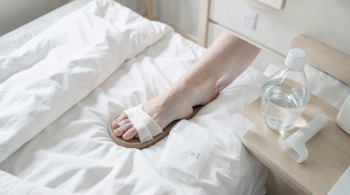
Guidelines regarding mobility vary significantly based on the specific surgical technique employed and the severity of the original deformity 9. Many surgeons utilize specialized surgical sandals or boots to protect the foot, rather than traditional casts, which may allow for a degree of ankle motion 7. Patients are typically instructed to limit time spent on their feet during the first two weeks, often adhering to a baseline rule of approximately 15 minutes of standing per hour 7. Adherence to these weight-bearing restrictions is critical for the proper healing of the bones 5, 8.
| Recovery Phase | Expected Activity Status |
|---|---|
| Weeks 1-2 | Limited weight-bearing, use of surgical shoe/crutches |
| Weeks 2-6 | Progressive mobility, transition to standard footwear |
| Weeks 6-12 | Increased activity, return to low-impact exercise |
| 3+ Months | Gradual return to high-impact activities |
Returning to Normal Activity and Work
The timeline for returning to professional responsibilities depends heavily on the nature of the patient’s occupation 8. Individuals with desk-based roles may return to work sooner than those whose jobs require prolonged standing, walking, or heavy lifting 8. Driving typically remains prohibited until the patient is no longer reliant on prescription pain medication and has regained full control of their vehicle, a transition that requires formal clearance from the attending surgeon 7. Rushing the return to normal footwear or physical activity is generally discouraged, as the foot often requires time to adapt to increased mechanical stress 9, 10.
Physical therapy is a recommended component for many patients to restore full range of motion, strength, and balance 8. By weeks six through eight, patients typically begin expanding their exercise routines under clinical guidance 4. While swelling may persist for several months after the incision has fully healed, this is often considered a normal part of the body's long-term healing response to corrective foot surgery 8, 10. Consistent follow-up appointments allow the surgeon to monitor progress and adjust rehabilitation goals as the bone reaches full consolidation 8, 11.
Long-Term Success and Risk Management
Long-term success following a bunionectomy is often supported by the strategic use of custom orthotics to maintain proper foot alignment and prevent recurrence 7. Patients should maintain a realistic outlook, acknowledging that while the primary goal is pain relief and deformity correction, the complete healing process is gradual 9. Risk factors that can influence the timeline include age, overall health status, and adherence to post-operative instructions provided by the orthopedic team 5. Maintaining communication with the healthcare provider remains the best practice for managing expectations and troubleshooting any irregularities that arise during the recovery arc 11.
Sources
- Cleveland Clinic: Bunion Surgery (Bunionectomy)
- Great Neck Family Foot Care: At-Home Bunion Surgery Recovery Tips
- North Tees and Hartlepool NHS Foundation Trust: Hallux Valgus (Bunion) Surgery
- Liv Hospital: Post Bunion Surgery Recovery: 7 Key Milestones
- Liv Hospital: Bunion Surgery Recovery Timeline: 6 Key Stages
- Southern Orthopaedic Surgeons: How to Prepare for Bunion Surgery
- Frankel Foot & Ankle Center: Bunion Surgery Recovery 2026 Guide
- The Bunion Cure: Bunion Surgery Recovery FAQs
- Seattle Foot and Ankle Center: Bunion Surgery Recovery and Timing
- Foot & Ankle Surgeons of Wichita Kansas: Post-Surgery Care
- American Academy of Orthopaedic Surgeons: Bunions
- American College of Foot and Ankle Surgeons: Bunion Advice
Authored by MyTrendSpot team