Warning signs of pancreatic cancer: Clinical context and symptoms to recognize
The warning signs of pancreatic cancer can be subtle, varied, and easy to attribute to common digestive problems. Early pancreatic cancer often causes few or no noticeable symptoms, which contributes to delayed diagnosis. When symptoms appear, they may involve bile flow, digestion, appetite, weight, blood sugar, or pain, but none of these signs alone confirms cancer. 1
Why early symptoms can be difficult to identify
The pancreas lies deep in the upper abdomen and helps produce digestive enzymes and hormones such as insulin. Because of its location, tumors may grow without creating a visible lump or an obvious early physical change. Cleveland Clinic describes pancreatic cancer as a disease that often remains unnoticed until it is more advanced, while Harvard Health notes that the cancer commonly spreads before symptoms become apparent. 1 2
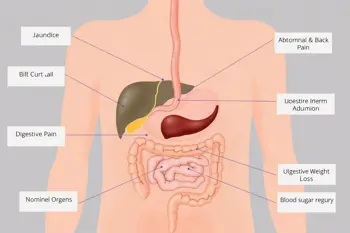
Symptoms that do occur are often nonspecific and may resemble gallstones, pancreatitis, ulcers, or other digestive disorders. The location of a tumor can also influence the pattern. Cancer in the head of the pancreas may obstruct the bile duct and cause jaundice, while tumors in the body or tail may be more associated with abdominal or back pain. A person may have several symptoms, only one, or none at an early stage. 2 3
Jaundice and related changes
Jaundice is one of the most recognizable warning signs. It causes yellowing of the skin or whites of the eyes and can occur when a tumor blocks the bile duct. Related changes may include dark urine, pale or light-colored stools, and itchy skin. These findings reflect disrupted bile flow, but jaundice also has other possible causes, so clinical evaluation is needed to determine what is responsible. 3 6
Jaundice may be accompanied by changes in stool consistency or appearance. Pancreatic Cancer UK describes pale, oily, foul-smelling stools that are difficult to flush as steatorrhoea, a possible sign that digestion and fat absorption are impaired. Yellowing of the skin or eyes, especially when combined with dark urine or pale stools, warrants medical assessment because it can indicate blockage involving the bile system. 2
Abdominal and back pain
Pain linked with pancreatic cancer may occur in the upper abdomen, middle back, or both areas. Descriptions include dull, gnawing, persistent, sharp, or intermittent pain. It may begin in the upper abdomen and spread toward the sides or back, and some sources report that it can worsen after eating or while lying down. Pain patterns differ substantially, and some people with pancreatic cancer have no pain. 2 8
Abdominal or back pain is not specific to a pancreatic tumor. Musculoskeletal conditions, ulcers, gallbladder disease, pancreatitis, and other disorders can produce similar sensations. The more concerning pattern is pain that is persistent, recurrent without an explanation, progressively worsening, or associated with jaundice, weight loss, appetite changes, or digestive symptoms. A clinician may consider the complete symptom pattern rather than relying on pain alone. 3 9
Weight, appetite, and digestive symptoms
Unexplained weight loss and reduced appetite are frequently reported symptoms. Weight may decline without deliberate changes in diet or physical activity, while appetite can diminish because of illness, digestive dysfunction, or discomfort. Nausea and vomiting may also occur. These symptoms can result from many noncancerous conditions, but unexplained or continuing weight loss becomes more clinically significant when it appears with abdominal pain, jaundice, or altered stools. 4 5
Digestive warning signs can include indigestion, bloating, increased gas, burping, feeling full quickly, diarrhea, constipation, or difficulty digesting food. Pale, oily stools may indicate problems processing dietary fat. Such complaints are common across gastrointestinal conditions, which makes their duration, progression, and combination with other changes important. Pancreatic Cancer Action Network identifies digestive problems and abdominal swelling among symptoms that should be discussed with a healthcare professional. 2 8
Diabetes and other systemic signs
Newly diagnosed diabetes or a sudden change in control of existing diabetes can sometimes be associated with pancreatic cancer because the pancreas helps regulate blood sugar. This association does not mean that diabetes indicates cancer. Type 2 diabetes is common and has many causes, but an unexplained change in blood sugar may be considered alongside weight loss, digestive symptoms, jaundice, or abdominal and back pain. 4 5
Other reported signs include fatigue, blood clots in a vein such as deep vein thrombosis, and enlargement of the gallbladder or liver. Less common symptoms described by Pancreatic Cancer UK include fever, shivering, a general feeling of illness, and depression or anxiety without an obvious cause. These findings are broad and medically nonspecific, so they cannot establish a pancreatic cancer diagnosis without appropriate clinical investigation. 2 10
When symptoms require medical assessment
Jaundice, persistent pain, unexplained weight loss, continuing digestive changes, or newly altered blood sugar should be assessed by a healthcare professional. Medical evaluation may involve a history and physical examination, blood tests, and imaging such as CT, ultrasound, MRI, or endoscopic ultrasound, depending on the presentation. A biopsy is generally used to confirm cancer when a suspicious lesion is identified. 1 7
There is no standard routine screening test for pancreatic cancer among people at average risk. Individuals with a strong family history or inherited risk may require specialized genetic counseling, surveillance, or other evaluation. Because symptoms overlap with many benign disorders, self-diagnosis is unreliable. The practical warning is not that any single symptom proves cancer, but that unexplained, persistent, or worsening changes deserve professional assessment. 2 3
Sources
- Cleveland Clinic, Pancreatic Cancer: Symptoms, Causes & Treatment
- Pancreatic Cancer UK, Signs and symptoms of pancreatic cancer
- National Cancer Institute, Pancreatic Cancer Treatment PDQ
- American Cancer Society, Signs and Symptoms of Pancreatic Cancer
- Mayo Clinic, Pancreatic Cancer Symptoms and Causes
- NHS, Pancreatic cancer symptoms
- MedlinePlus, Pancreatic Cancer
- Pancreatic Cancer Action Network, Pancreatic Cancer Symptoms and Signs
- MD Anderson Cancer Center, Pancreatic Cancer Symptoms
- American Society of Clinical Oncology, Pancreatic Cancer Signs and Symptoms
Authored by MyTrendSpot team