An In-Depth Report on Seized heavy-duty pickup trucks on sale at police impound: Acquisition Channels, Mechanical Realities, and Administrative Protocols
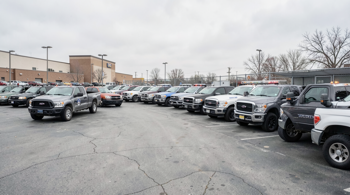
The acquisition of heavy-duty utility transport through municipal disposal channels is an increasingly common strategy for commercial fleet operators. For those seeking reliable workhorses, checking lists of seized heavy-duty pickup trucks on sale at police impound offers a direct pathway to finding these assets before they enter retail networks 1. These events occur because vehicles have been impounded due to municipal violations or confiscated during law enforcement investigations 2. Understanding these public auctions is essential for mitigating risk and navigating the complex transactions involved.
The Origin and Availability of Impounded Heavy-Duty Vehicles
Municipalities routinely accumulate vehicles in impound facilities, resulting in a consistent rotation of utility assets that must be liquidated. The primary hubs for these transactions are dedicated third-party online platforms, such as GovDeals 3 and Public Surplus 4, which manage surplus logistics for regional law enforcement agencies. Heavy-duty pickup trucks are frequently listed because of their widespread use across commercial sectors.
These listings vary from retired civil service vehicles to assets seized during criminal proceedings. While civilian passenger cars make up most of the inventory, heavy-duty pickups are highly sought after due to their structural durability. Because these units are liquidated to free up physical space in regional storage facilities, they represent a highly dynamic sector of the municipal surplus market.
Mechanical Realities and the 'As-Is' Purchase Framework
One of the most critical aspects of purchasing from a municipal tow lot is that all items are sold strictly on an as-is basis without any warranty, expressed or implied 5. Prospective buyers must recognize that they are bidding on abandoned assets, meaning that the mechanical history and current operational status are generally unknown. In most cases, municipal authorities do not have the keys to the vehicles, meaning successful bidders will need to arrange locksmith services and towing immediately 6.
To assist readers in understanding the typical mechanical parameters of these assets, the following table outlines common conditions observed during physical inspections:
| Asset Category | Typical Mechanical Status | Verification Requirements |
|---|---|---|
| Non-Running / Parts | Engine seized or missing major parts | Requires flatbed towing from the facility |
| Unknown Status | No keys available, battery depleted | Locksmith and diagnostic scan needed |
| Verified Fleet | Runs and drives, service records available | Standard fluid changes and inspection |
Case Studies of Regional Municipal Sales and Asset Forfeitures
Recent sales across different jurisdictions highlight the diversity of heavy-duty trucks entering the public auction system. For instance, the Oceana County Sheriff's Department in Michigan recently processed the sale of a seized 2015 Ford F-350 dually, equipped with a 6.7-liter diesel engine and showing 160,000 miles, which was confiscated during a narcotics investigation 7. Proceeds from such asset forfeiture sales are legally allocated back to municipal departments to fund equipment upgrades, demonstrating how seized civilian utility vehicles directly support local public safety budgets.
Similarly, the Suffolk County Police Department routinely clears its impound lots through public auctions held in Westhampton, featuring utility vehicles, heavy machinery, and diesel pickup trucks starting at minimum bids of $500 8. These regional events allow buyers to visually inspect the physical condition of the vehicles on designated preview days prior to bidding. This geographic distribution ensures that commercial operators across multiple states can locate heavy-duty trucks that match their operational and mechanical capabilities.
Registration Requirements, Bidding Protocols, and Deposits
Participating in a police impound or municipal auction requires strict adherence to registration protocols before any bidding activity can occur. Buyers must register on the designated online platform and provide valid government-issued identification, alongside a mandatory bidding deposit. For example, some regional auctions require a $300 registration deposit, which is charged to the user's card on file and either applied to the final purchase price or refunded within five to ten business days 6.
For high-value assets, such as single-owner utility trucks like a 2021 Chevrolet Silverado 3500HD, bidding is highly competitive and requires verified financial standing 9. Specialized events, like the Powell Auction & Realty police seizure sales, enforce a strict buyer's premium, often calculated at 15% of the winning bid, which is added directly to the final invoice 10. Understanding these upfront costs is essential to establishing an accurate maximum bid threshold.
Fee Structures, Payment Deadlines, and Removal Policies
Winning a bid at a police impound lot initiates a precise, time-sensitive administrative process that requires prompt execution. Most municipal auctions, such as those conducted for the Louisville Metro Police Department, require that the final invoice be paid in full within a strict 24-hour window following the close of the sale 11. Acceptable payment methods are typically limited to cash, wire transfers, or certified cashier's checks, with credit card payments often restricted or subject to additional processing fees.
Failure to settle the outstanding balance on time results in immediate forfeiture of the vehicle, the loss of any registration deposits, and a permanent ban from future municipal auctions 5. Furthermore, successful bidders must coordinate the rapid removal of the vehicle from the impound yard, usually within three to five business days. If a vehicle remains on-site past the designated pickup window, storage fees, often starting at $30 per day, will accumulate rapidly 12.
Mitigating Legal Risks and Resolving Title Friction Points
Purchasing a vehicle through an impound lot or sheriff's sale carries distinct legal considerations that differ substantially from traditional dealership transactions. Some seized vehicles may have open accident reports, mechanical leaks, or unresolved civilian liens that must be cleared through administrative channels before a new title can be issued 13. Buyers must verify whether the auction house provides a clean government title, a salvage certificate, or a bill of sale that requires independent registration processing at the local department of motor vehicles.
Additionally, municipal facilities may hold vehicles due to expired registration tabs, requiring buyers to present active proof of insurance and current registration before the vehicle can be legally driven off the lot 14. If the vehicle's registration has been expired for over 90 days, the physical asset must be towed from the facility rather than operated on public streets 14. Thoroughly reviewing the title status and local DMV requirements prior to bidding is the most reliable way to avoid administrative delays.
Sources
- weanable.com
- search.jpost.com
- govdeals.com
- publicsurplus.com
- woolseyauction.com
- bids.oaikc.com
- mlive.com
- dailyvoice.com
- rtiauctions.com
- powellauction.com
- wdrb.com
- facebook.com/SarpyCountySheriff
- globalauctionguide.com
- minneapolismn.gov
Authored by MyTrendSpot team