Community learning programs near you: A comprehensive guide to local educational resources
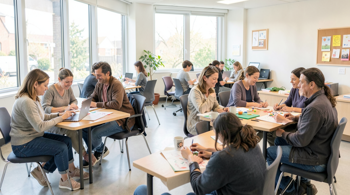
Community learning programs provide accessible pathways for personal development, professional advancement, and social connectivity through a wide array of locally managed initiatives. Whether through municipal centers, non-profit organizations, or university extension services, these programs aim to meet residents at their current skill level to foster lifelong learning 1. By offering everything from digital literacy and vocational training to creative arts and health education, these hubs serve as vital infrastructure for neighborhood growth and individual empowerment 2.
Vocational and Workforce Development
Many community-based organizations prioritize workforce readiness by offering specialized training in high-demand fields. For example, some programs combine emotional intelligence training with hands-on technical instruction in sectors like construction and green energy, often spanning ten-week periods to ensure comprehensive skill acquisition 8. Others provide pathways into the technology sector, such as Python programming courses that feature live, in-person instruction rather than pre-recorded content, allowing students to benefit from real-world expertise and professional accountability 10.
Technical training often integrates career coaching and industry-recognized certifications, which are essential for those seeking employment in IT support, data analytics, or digital marketing 5. Local initiatives may even provide hardware support, such as offering a free Chromebook to participants upon the successful completion of a nine-week workforce development series 7. These courses frequently cater to adults looking to transition into new careers or improve their competitiveness in the modern job market through practical, project-based learning 3.
Literacy and English Language Instruction
Language and literacy support remains a cornerstone of many community learning centers, often provided at no cost to the learner. These programs are designed to assist adults in strengthening reading, writing, and vocabulary for both workplace and daily communication needs 1. Specialized instruction includes English as a Second Language (ESL) courses, health literacy support for navigating medical documents, and citizenship preparation, all conducted in supportive environments that encourage community integration 1. These programs frequently utilize peer-to-peer connection to help students gain the confidence necessary to navigate community systems effectively 1.
Creative Arts and Personal Enrichment
Beyond professional development, numerous community centers host creative and social programs aimed at wellness and hobbyist enrichment. These may include memoir writing groups, arts and crafts workshops, or games such as Mah Jongg, which facilitate social interaction while sharpening cognitive skills 4. Wellness programs often focus on reducing stress and building social connections through mindfulness, gardening, or physical activities like yoga 9. Such initiatives are typically open to all ages, fostering intergenerational learning where participants can share their specific talents with neighbors and friends in a relaxed, inclusive atmosphere 2.
Institutional Partnerships and Infrastructure
The success of community learning often stems from collaboration between local institutions and larger academic or governing bodies. For instance, many community centers partner with land-grant universities to bring research-backed education to the public, covering topics that range from sustainable agriculture to youth development 6. Public libraries also function as essential hubs by providing digital literacy workshops and free access to online professional certification platforms, bridging the gap between local resources and global information 11. These partnerships ensure that educational offerings remain diverse, relevant, and responsive to the specific needs of the local population 15.
Guidelines for Program Participation
When seeking out community learning opportunities, prospective students should be aware of standard eligibility criteria and organizational structures. Most programs are community-based and inclusive, though specific requirements regarding age, residency, or enrollment status may apply 3. Potential learners should investigate whether a program is pre-accredited, self-paced, or involves live, instructor-led sessions to ensure the format aligns with their individual learning style and scheduling availability 3. Since capacity is often limited in high-demand technical courses, checking registration timelines and early application windows is a recommended best practice for those intending to participate 3.
Evaluating Local Learning Opportunities
| Program Type | Primary Focus | Common Offerings |
|---|---|---|
| Vocational | Career Readiness | IT Certifications, Skilled Trades |
| Literacy | Communication | ESL, Citizenship, Health Literacy |
| Enrichment | Personal Wellness | Arts, Crafts, Mindfulness, Games |
| Technical | Digital Competency | Programming, Digital Literacy |
Participants should also consider the duration and commitment level of specific classes. While some workshops are delivered in short, intensive bursts-such as one-day construction or budget workshops-others follow a term-based structure spanning eight to ten weeks to allow for deeper skill mastery 5, 8, 9. Engaging with program administrators or reviewing organizational newsletters can provide clarity on the latest course additions and upcoming opportunities within the neighborhood 1. By understanding the breadth of available programs, individuals can effectively navigate the local landscape to find educational experiences that best support their long-term personal and professional goals 6.
Sources
- Literacy Volunteers of America (LVA-PW) Program Information
- Hills Community Aid: Learning in The Hills Program Overview
- Whittlesea Community Connections: Learn Local Programs Documentation
- Bender JCC: Adult Enrichment and Learning Course Catalog
- St George Community Development Corporation: Education and Workforce Training
- UFM Community Learning Center: Enrichment and Personal Development Categories
- Lone Oak Community Center: Tech Goes Home Course Details
- Sabathani Community Center: ONWARD Workforce Training Program Overview
- Clarkston Community Center: Care and Connection Wellness Program
- The Community School at Cape Cod Tech: Python Programming for Career Readiness
- American Library Association: Role of Libraries in Community Education
- American Association of Community Colleges: Non-credit Education Trends
- National Recreation and Park Association: Community-Led Class Programming
- U.S. Department of Education: AEFLA Grant and Adult Education Mandates
- National Institute of Food and Agriculture: University Extension Outreach Models
Authored by MyTrendSpot team