How to support healthy blood pressure naturally: Clinical research and lifestyle analysis
High blood pressure, clinically referred to as hypertension, affects approximately 120 million adults in the United States 7. Because this condition often presents without clear symptoms, it is frequently characterized as a silent health concern that can lead to significant cardiovascular issues over time, including heart disease, stroke, and kidney damage 2, 6. Clinical guidance emphasizes that while medications are a cornerstone of treatment for many patients, lifestyle modifications play a critical role in managing, delaying, or potentially lessening the need for pharmacologic intervention 1, 8.
Weight Management and Body Composition Metrics
Evidence suggests that weight loss represents one of the most impactful lifestyle factors for blood pressure reduction in individuals who are overweight or have obesity 1. Clinical observations indicate that blood pressure may decrease by approximately 1 mm Hg for every kilogram, or 2.2 pounds, of weight lost 1. Beyond total body weight, the distribution of adipose tissue also serves as a critical health indicator. Research highlights that waist circumference is a key metric for identifying elevated risk, with clinical thresholds often set at 40 inches for men and 35 inches for women 1.
Nutritional Strategies and Dietary Patterns
Adopting specific eating patterns, such as the Dietary Approaches to Stop Hypertension (DASH) diet, has been shown to support cardiovascular health 1, 8. These plans prioritize the consumption of whole grains, fruits, vegetables, and low-fat dairy while minimizing saturated fats, trans fats, and cholesterol 1. Research indicates that following a nutrient-dense diet can reduce systolic pressure by as much as 11 mm Hg in some populations 1. Increased intake of potassium, calcium, and magnesium is also associated with healthier arterial function 1, 4.
| Nutrient | Role in Cardiovascular Health |
|---|---|
| Potassium | Assists in relaxing blood vessel walls and promotes sodium excretion |
| Calcium | Supports the tightening and relaxing mechanisms of blood vessels |
| L-arginine | Contributes to the production of nitric oxide, which relaxes muscle cells |
| Vitamin C/E | Act as antioxidants to protect cells from oxidative stress and inflammation |
Sodium Reduction and Monitoring
Excessive sodium intake is a primary factor in fluid retention, which can elevate blood pressure levels 3. Health organizations generally recommend that adults consume less than 2,300 mg of sodium per day, with further reductions to 1,500 mg daily often advised for those already diagnosed with hypertension 2, 9. A significant portion of dietary sodium is found in processed foods, ready-made meals, and sauces, rather than added salt at the table 3. Reading nutritional labels to identify hidden sodium remains a recommended practice for dietary control 3, 9.
Physical Activity and Exercise Impact
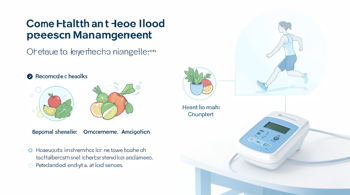
Regular physical exertion is considered an effective, non-pharmacologic method to improve heart health 2. Pooled analyses suggest that consistent aerobic and muscle-strengthening activities can produce reductions in systolic blood pressure comparable to the initial effects of some antihypertensive medications 8. General health recommendations often advise aiming for at least 150 minutes of moderate-intensity activity each week 10. Engaging in regular movement helps the heart pump with more efficiency and reduces the overall strain placed on the arterial walls 6.
Stress Management and Behavioral Health
Prolonged stress contributes to sustained elevations in blood pressure and may damage arterial health over the long term 2. Clinical strategies for stress reduction include practices such as yoga, which may assist in relaxing both the mind and the body 2. Furthermore, getting adequate sleep and limiting alcohol consumption are noted as essential behavioral components of a cardiovascular wellness strategy 10. While these habits are supportive, they should be viewed as part of a comprehensive approach that includes regular medical screenings 10.
Clinical Oversight and Monitoring
Home monitoring allows individuals to keep a consistent log of their blood pressure readings, which can assist healthcare providers in evaluating the effectiveness of lifestyle changes 3, 9. Validated upper-arm monitors are generally preferred for accuracy 10. It is important to note that dietary supplements marketed for blood pressure are not always safe or effective; some may interact negatively with prescribed medications 10. Anyone observing a reading of 180/120 mm Hg or higher should seek immediate medical attention, particularly if accompanied by symptoms like chest pain or shortness of breath 10.
Sources
- Mayo Clinic: 10 ways to manage high blood pressure without medicine
- Johns Hopkins Medicine: Natural Ways to Lower Blood Pressure
- British Heart Foundation: How to lower your blood pressure naturally: 8 top tips
- Cleveland Clinic: Foods To Lower Blood Pressure Naturally
- Prevention: Doctors Reveal 16 Easy Ways to Lower Blood Pressure Naturally
- St. Mary’s Health Care System: Lifestyle Changes That May Help Lower Blood Pressure Naturally
- GoodRx: 10 Ways You Can Reverse High Blood Pressure
- WeCare Wellness Clinic: How to Lower Blood Pressure Naturally: Evidence-Based Guide
- National Council on Aging: 10 Foods That Help Lower Blood Pressure Naturally
- General Health Research Guidelines (CDC, AHA, WHO, NIH)
Authored by MyTrendSpot team