Military Storage Containers Price: A Comprehensive Cost Guide
Fast Facts:
- Durability is paramount for military containers' longevity.
- Demand for defense logistics storage is consistently rising globally.
Understanding the Factors Influencing Military Storage Containers Price
The acquisition of robust and reliable storage solutions is a critical component of modern military operations, directly impacting operational readiness and logistical efficiency. The military storage containers price is not a static figure; it is a complex calculation influenced by a myriad of factors ranging from material specifications and advanced technological integrations to custom design requirements and geopolitical supply chain dynamics. Procurement specialists and defense contractors must navigate these intricate elements to secure cost-effective yet highly functional **tactical storage solutions** that meet stringent military standards. Understanding these underlying cost drivers is essential for accurate budgeting and strategic purchasing, ensuring that the investment yields maximum operational value while adhering to budgetary constraints for **containerized military equipment**.
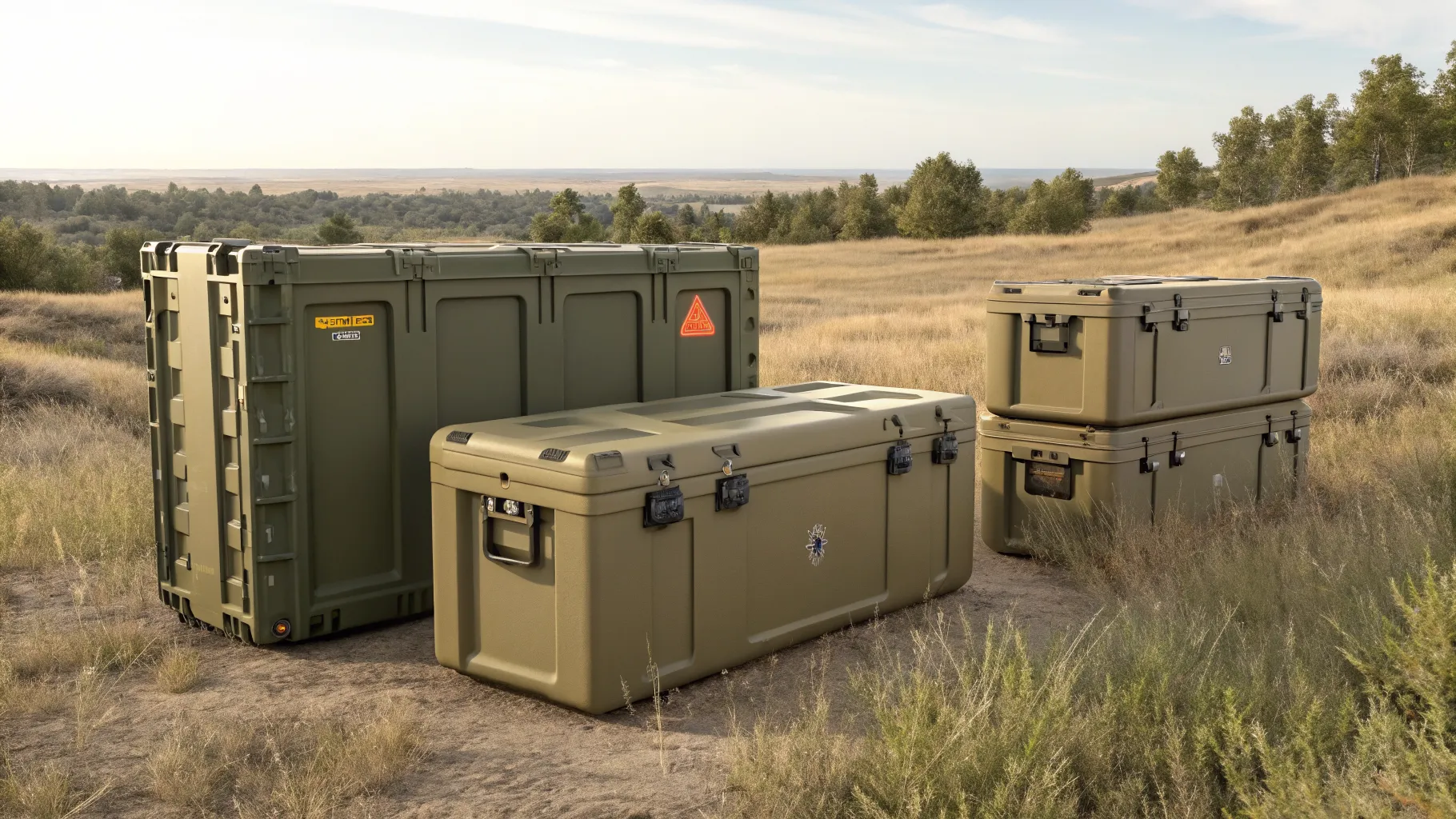
Types of Military Storage Containers and Their Associated Costs
The spectrum of **military storage containers** is broad, encompassing everything from modified standard ISO containers to highly specialized, purpose-built units designed for extreme conditions or sensitive equipment. Each type carries a distinct price tag, reflecting its inherent capabilities, manufacturing complexity, and target operational environment. The initial investment in these containers directly correlates with their design, materials, and the level of protection they offer, which are all critical considerations in determining the overall **military storage containers price**. It is crucial to evaluate the specific mission requirements against the cost of different container types to ensure optimal resource allocation.
Standard ISO Containers
Standard ISO (International Organization for Standardization) shipping containers often form the baseline for many **defense logistics storage** needs. These versatile units, typically 20-foot or 40-foot steel boxes, are widely available and offer a relatively lower entry point in terms of **military container costs**. Their appeal lies in their standardized dimensions, which facilitate easy transport via rail, road, and sea. However, for military applications, these containers usually require significant modifications such as reinforced walls, advanced locking mechanisms, insulation, climate control systems, and specialized interior fittings to protect sensitive equipment or personnel. These modifications, while essential for military use, add considerably to the base **military storage containers price**, transforming a standard commercial unit into a robust military-grade asset capable of safeguarding valuable assets under harsh conditions.
Specialized Tactical Units
At the higher end of the cost spectrum are specialized **tactical storage solutions** and custom-designed units. These containers are engineered from the ground up to meet highly specific and often extreme military requirements. Features such as electromagnetic shielding, blast resistance, chemical, biological, radiological, and nuclear (CBRN) protection, integrated power generation, advanced communication systems, and customized interior layouts for command centers or medical facilities significantly elevate the **military storage containers price**. The materials used are often lightweight yet incredibly strong, like high-grade aluminum or composite materials, further contributing to the expense. The research, development, and stringent testing involved in producing these highly advanced **containerized military equipment** solutions justify their premium price, as they provide unparalleled protection and functionality in critical operational scenarios.
Key Factors Driving Defense Logistics Storage Expenditures
Beyond the basic type, numerous factors collectively influence the final **military storage containers price**. These elements are meticulously evaluated during the procurement process to ensure that the chosen solution not only meets operational demands but also fits within budgetary constraints. Understanding these cost drivers allows for more informed decision-making and better negotiation strategies when acquiring **military shipping containers**.
Material composition is a primary determinant. High-strength steel is common, but specialized alloys or composite materials offer enhanced durability, lighter weight, or specific protective properties (e.g., anti-corrosion, stealth characteristics), significantly increasing the **military storage containers price**. Size and dimensions also play a crucial role; larger containers require more material and complex manufacturing processes, translating into higher costs. Customization is another major expenditure driver; any deviation from standard designs, whether for specific equipment housing, unique access points, or advanced internal partitioning, adds to the complexity and therefore the **cost of military containers**. The integration of advanced technology, such as sophisticated climate control systems, real-time tracking and monitoring, integrated power solutions, and hardened networking capabilities, further contributes to the overall price. Lastly, the destination and methods of transportation can add substantial costs, especially for oversized units or delivery to remote operational theaters, making the logistics of **defense logistics storage** a key factor in the total investment.
Comparing Tactical Storage Solutions for Budgeting
When budgeting for **tactical storage solutions**, military organizations often face a crucial decision: whether to purchase new containers, opt for used ones, or consider leasing. Each approach presents a different financial profile and set of advantages, directly impacting the long-term **military storage containers price** and operational flexibility. A thorough analysis of these options is vital for making an economically sound decision that also meets operational demands for **containerized military equipment**.
Purchasing new containers offers the highest initial **military storage containers price** but provides the benefit of cutting-edge design, full warranty coverage, and the ability to customize extensively from the outset without compromise. New units typically have a longer service life and require less immediate maintenance, potentially reducing lifecycle costs. Conversely, acquiring used **military shipping containers** can significantly lower the upfront **military container costs**. However, this option often comes with trade-offs: potential for existing wear and tear, limited customization options, and potentially higher maintenance expenses down the line. Leasing provides maximum flexibility, allowing organizations to scale their storage capacity up or down as needs change, without the large capital outlay of a purchase. While the per-unit monthly cost might seem higher over time than a direct purchase, leasing can be ideal for short-term projects, rapidly evolving operational requirements, or when capital budgets are constrained, offering a more manageable approach to **defense logistics storage** expenditures.
Strategic Procurement: Reducing Military Container Costs
Optimizing the **military storage containers price** requires a strategic approach to procurement that extends beyond simply comparing initial quotes. Long-term planning, fostering strong supplier relationships, and leveraging economies of scale are pivotal in achieving cost efficiencies without compromising quality or operational effectiveness for **tactical storage solutions**.
Engaging in bulk purchasing, where multiple units are acquired simultaneously, can often unlock significant discounts from manufacturers, effectively reducing the per-unit **military storage containers price**. Similarly, establishing long-term contracts with trusted suppliers not only secures predictable pricing but can also lead to more favorable terms, priority access to new technologies, and streamlined logistics. Furthermore, active market research and competitive bidding processes ensure that the military is always getting the best possible value for its investment in **containerized military equipment**. It is also beneficial to consider modular designs where possible, allowing for easier expansion or re-configuration rather than purchasing entirely new units. By implementing these strategic procurement methods, defense organizations can significantly mitigate the overall **cost of military containers** while maintaining high standards of quality and readiness.
- Conduct thorough needs assessment: Clearly define current and future requirements to avoid over-specifying or under-specifying container capabilities, directly impacting **military storage containers price**.
- Evaluate customization requirements: Prioritize essential modifications over optional enhancements to manage **military container costs** effectively.
- Consider lifecycle costs: Factor in maintenance, repair, and potential upgrades over the lifespan of the container, not just the initial **military storage containers price**.
- Explore leasing options: For temporary projects or fluctuating demands, leasing can offer a cost-effective alternative to outright purchase for **defense logistics storage**.
- Leverage competitive bidding: Ensure multiple vendors are evaluated to secure the most favorable **tactical storage solutions** pricing.
The Future Landscape of Military Shipping Containers Pricing
The **military storage containers price** in the future will be shaped by a confluence of evolving factors, including technological advancements, geopolitical shifts, and global supply chain dynamics. Innovations in materials science, such as the development of lighter, stronger, and more resilient composite materials, could alter manufacturing costs and subsequently influence the final **cost of military containers**. The increasing demand for 'smart' containers equipped with IoT sensors, advanced communication systems, and AI-driven predictive maintenance capabilities will undoubtedly add value but also increase the upfront **military storage containers price** for these highly integrated units. Geopolitical stability, or the lack thereof, will continue to play a significant role. Tariffs, trade agreements, and regional conflicts can disrupt supply chains, leading to price volatility for raw materials and finished **military shipping containers**. Furthermore, a global focus on sustainability and environmental regulations may drive up costs as manufacturers adopt greener practices and materials, impacting the overall **military storage containers price** in the long term. These trends highlight the need for continuous foresight and adaptability in military procurement strategies.
Frequently Asked Questions
What determines the base military storage containers price?
The base **military storage containers price** is primarily determined by the container's material (e.g., steel, aluminum), its size (e.g., 20ft, 40ft), and whether it's a standard or specialized build. Simple, standard-sized units are generally less expensive than custom-designed or larger ones.
Are specialized defense logistics storage units significantly more expensive?
Yes, specialized **defense logistics storage** units are significantly more expensive. Their higher cost is due to advanced features like climate control, blast resistance, EMP shielding, integrated power systems, and bespoke interior layouts tailored for specific military applications, which all add to the complexity and manufacturing cost.
How does durability affect the long-term cost of military containers?
High durability, while contributing to a higher upfront **military storage containers price**, generally reduces the long-term **cost of military containers**. More durable units require less frequent replacement, lower maintenance, and fewer repairs over their operational lifespan, offering better value over time for **tactical storage solutions**.
Can I customize military shipping containers?
Yes, **military shipping containers** are highly customizable to meet specific operational needs. Customizations can range from interior shelving, lighting, and HVAC systems to specialized access points, reinforced security features, and unique paint schemes, all of which will impact the overall **military storage containers price**.
What are the benefits of leasing versus purchasing for containerized military equipment?
Leasing **containerized military equipment** offers flexibility, lower upfront capital expenditure, and the ability to adapt to changing needs. Purchasing, while having a higher initial **military storage containers price**, provides full ownership, long-term asset value, and complete control over modifications and deployment, potentially reducing **military container costs** over many years.
References
- Department of Defense Acquisition and Logistics Policies
- Global Shipping Container Manufacturing Industry Reports
- Specialized Military Logistics Publications
- Defense Technology Review Journals
- International Standards Organization (ISO) Container Specifications
Authored by MyTrendSpot team