Understanding Memory Care Facility Costs: A Comprehensive Guide to Dementia Care Expenses
Fakten:
- Average national memory care costs exceed $6,000 monthly.
- Demand for specialized dementia care expenses is rising for aging populations.
Navigating the Financial Landscape of Memory Care Costs
Understanding the intricacies of memory care facility costs is a crucial step for families planning for the future of loved ones living with Alzheimer's disease or other forms of dementia. These specialized facilities offer a higher level of care compared to standard assisted living, encompassing tailored programs, secure environments, and staff trained in cognitive support. The financial commitment associated with such comprehensive dementia care expenses can be substantial and varies significantly based on numerous factors, making thorough research and preparation essential for effective senior care budgeting. This guide aims to demystify these costs, providing clarity on what to expect and how to plan for this critical phase of long-term care.
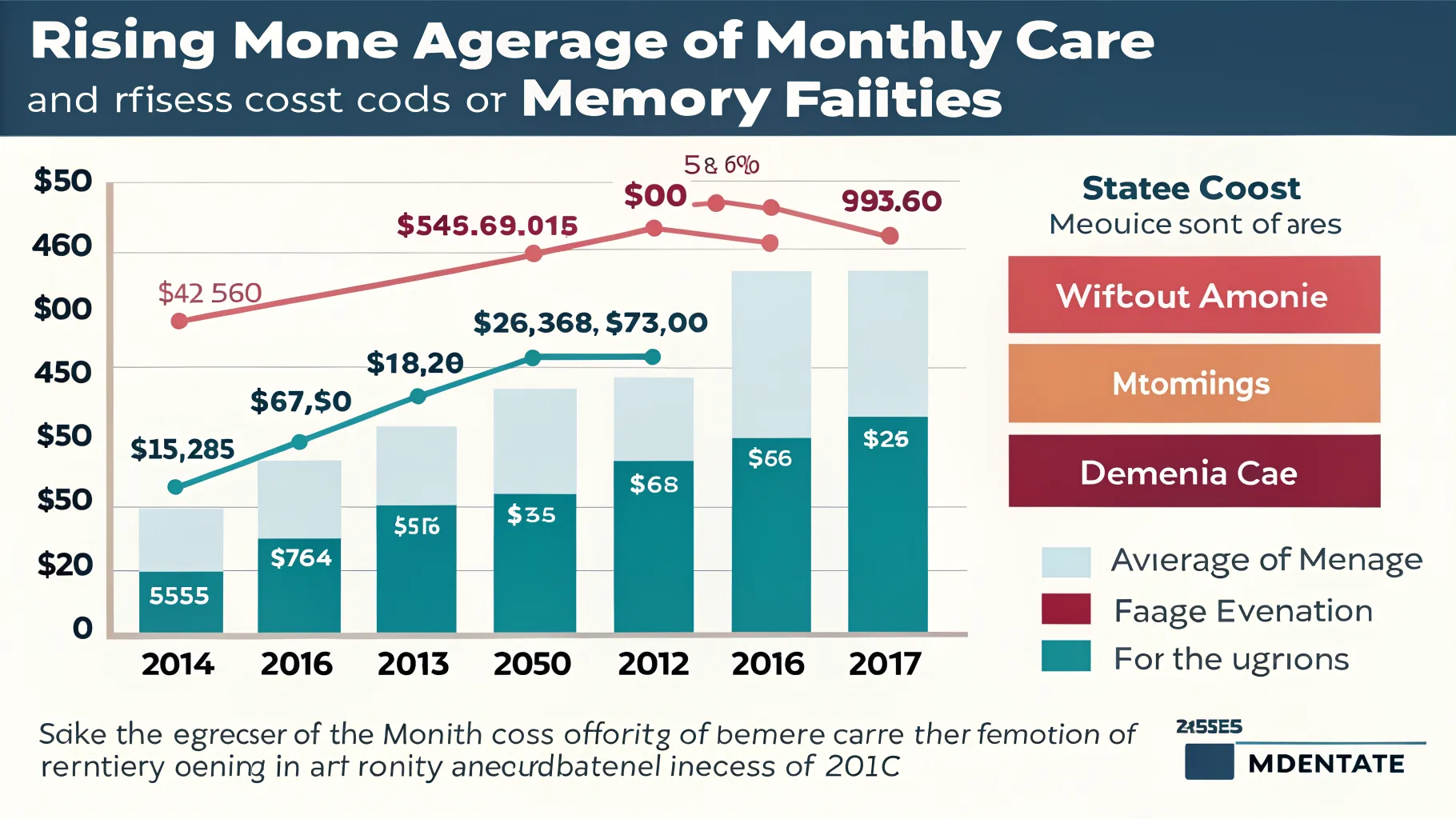
Key Factors Influencing Dementia Care Expenses
The total memory care costs are not uniform; they are influenced by a complex array of factors that can cause significant variance from one facility to another, and even within the same geographic region. One of the primary determinants is the geographic location. Urban areas and regions with a higher cost of living generally have more expensive assisted living facilities and specialized memory care units than rural or less densely populated areas. State regulations, local labor costs for skilled caregivers, and property values all contribute to this regional disparity. Furthermore, the level of care required by the individual also plays a pivotal role. Residents needing more extensive assistance with daily living activities, such as feeding, bathing, and mobility, or those with more advanced cognitive impairment, often incur higher charges due to the increased staff-to-resident ratio and specialized interventions necessary for their well-being. The amenities and services offered by the facility itself are another significant factor. High-end facilities might provide private suites, gourmet dining, extensive recreational programs, therapy services, and personalized care plans, all of which contribute to elevated dementia care expenses. Conversely, more modest facilities, while still providing essential care, may have lower monthly fees by offering fewer luxury services. Understanding these variables is crucial when embarking on senior care budgeting and evaluating potential facilities, as they directly impact the overall financial burden.
Regional Variations in Memory Care Costs
The geographic location significantly impacts memory care costs, with notable differences observed across states and even within different cities in the same state. For instance, states in the Northeast and on the West Coast, such as New York, Massachusetts, and California, typically feature some of the highest dementia care expenses, often exceeding $7,500 to $8,500 per month. These elevated costs are often attributed to higher property values, increased demand for specialized care, and more robust state regulations regarding staffing and facility standards. In contrast, states in the Midwest and Southern regions, like Missouri, Alabama, or Arkansas, might offer more affordable assisted living facilities with memory care units, where monthly costs could range from $4,500 to $5,500. It's imperative for families to research local market rates extensively, as even within a single state, a facility in a major metropolitan area will almost certainly be more expensive than one in a smaller town. These regional variations underscore the importance of early planning and localized financial assessment when considering long-term care options.
Services Included in Assisted Living Facilities with Memory Care
Assisted living facilities specifically designed for memory care offer a comprehensive suite of services tailored to meet the unique needs of individuals with cognitive decline. These services are a major component of the overall memory care costs. Typically, the monthly fee covers room and board, which can range from semi-private rooms to private suites, depending on the facility and the chosen plan. Beyond basic accommodation, residents receive assistance with activities of daily living (ADLs), including bathing, dressing, grooming, toileting, and medication management. A key differentiator is the specialized programming designed to stimulate cognitive function and provide engagement, such as reminiscence therapy, art therapy, music therapy, and structured physical activities. Nutritional support is also paramount, with facilities often providing three meals a day, snacks, and catering to specific dietary restrictions. Security is a significant feature, with secure environments, alarmed exits, and staff trained to prevent wandering, a common concern for individuals with dementia. Many facilities also include housekeeping, laundry services, and scheduled transportation for appointments. The expertise of the staff, including certified dementia care specialists, nurses, and activity coordinators, is built into the dementia care expenses, ensuring a high level of specialized long-term care. Understanding the full spectrum of services provided is crucial for families to accurately assess the value and compare different facilities, ensuring their loved one receives appropriate and dignified care.
Funding Options for Long-Term Care and Dementia Care Expenses
Financing memory care costs requires a strategic approach, as traditional health insurance typically does not cover these expenses. Families often utilize a combination of private and public funding sources to manage the significant dementia care expenses. Private funds, such as personal savings, investments, and pensions, are frequently the first line of defense. Selling assets, including real estate or other valuables, can also provide necessary capital. Long-term care insurance is a particularly valuable tool if purchased proactively, as it is designed specifically to cover services like skilled nursing, home health care, and memory care. However, policies vary widely in terms of coverage limits, waiting periods, and daily benefits, so a thorough review is essential. For veterans and their surviving spouses, the Aid & Attendance benefit from the Department of Veterans Affairs can offer significant financial assistance for assisted living facilities and memory care, provided specific service and income criteria are met. Medicaid is another crucial resource for individuals with limited income and assets, though eligibility requirements are strict and vary by state. It's often referred to as the payer of last resort, typically kicking in once other assets have been depleted. Some states also offer specific waivers or programs that help cover a portion of memory care costs for qualifying individuals. Reverse mortgages or life insurance policies can sometimes be leveraged to provide cash flow, though these options should be carefully considered with financial advisors due to their long-term implications. Exploring all available funding avenues and seeking professional financial advice is critical for developing a sustainable plan for long-term care.
Strategies for Senior Care Budgeting and Financial Planning
Effective senior care budgeting is paramount when preparing for the potential memory care costs. Given the escalating nature of dementia care expenses, proactive planning can alleviate much of the financial stress on families. Here are some actionable strategies to consider:
- Start Planning Early: The sooner families begin discussing and planning for potential long-term care needs, the more options they will have. This allows time to explore various financial products like long-term care insurance and to make informed decisions about asset management. Early planning can help optimize savings and investments specifically for future care needs.
- Consult a Financial Advisor Specializing in Elder Care: A financial planner with expertise in elder care can provide invaluable guidance. They can help assess current assets, project future memory care costs, and develop a comprehensive financial strategy that maximizes resources while minimizing financial strain. They can also advise on the implications of Medicaid planning and asset protection.
- Explore Long-Term Care Insurance: If a loved one does not already have long-term care insurance, it's worth investigating. While policies become more expensive with age and may not be available to those with pre-existing conditions, for those who qualify, it can be a critical tool in covering dementia care expenses and protecting personal assets. Understand the policy's benefits, waiting periods, and daily limits thoroughly.
- Understand State and Federal Programs: Research programs like Medicaid, veteran benefits (e.g., Aid & Attendance), and state-specific waivers. Eligibility requirements can be complex, and application processes lengthy, so understanding these well in advance is crucial. These programs can significantly offset memory care costs for eligible individuals.
- Evaluate Assisted Living Facilities Carefully: When choosing a facility, look beyond the quoted monthly fee. Understand what services are included and what constitutes additional charges. Some facilities may have a tiered pricing structure based on the level of care needed, while others might charge extra for specific therapies or activities. A clear understanding of the full cost breakdown is essential for accurate senior care budgeting.
- Consider Tax Deductions: A portion of memory care costs, particularly those related to medical care, may be tax deductible. Keep meticulous records of all expenses and consult with a tax professional to determine eligibility for deductions, which can provide some relief from the financial burden.
Frequently Asked Questions
What is the average monthly cost for memory care facilities?
The average monthly cost for memory care facilities in the United States typically ranges from $5,000 to over $8,000, depending significantly on geographic location, the specific services offered, and the level of care required by the resident. This cost is generally higher than traditional assisted living due to specialized staffing and secure environments for individuals with cognitive impairments.
Does Medicare cover dementia care expenses?
No, Medicare generally does not cover the long-term custodial care expenses associated with memory care facilities, such as room and board or assistance with daily living activities. Medicare primarily covers short-term skilled nursing care, doctor visits, and hospital stays. Some limited home health care or hospice care may be covered under specific circumstances, but it is not a primary funding source for ongoing long-term care in a facility.
Can long-term care insurance help with memory care costs?
Yes, long-term care insurance is specifically designed to cover a wide range of long-term care services, including those provided in memory care facilities. The extent of coverage depends on the individual policy, including daily benefit amounts, policy maximums, and elimination periods. It is one of the most effective ways to plan for significant dementia care expenses.
Are there veteran benefits available for assisted living facilities with memory care?
Yes, eligible veterans and their surviving spouses may qualify for the Aid & Attendance benefit, a special monthly pension from the Department of Veterans Affairs. This benefit can provide significant financial assistance to help cover the costs of assisted living facilities or in-home care, including specialized memory care, for those who meet certain service, medical, and financial criteria.
How can I plan for future senior care budgeting?
Effective senior care budgeting for memory care involves starting early, consulting with a financial advisor specializing in elder care, exploring long-term care insurance options, understanding eligibility for government programs like Medicaid, and thoroughly evaluating the all-inclusive costs of assisted living facilities. Creating a comprehensive financial plan that accounts for potential dementia care expenses is key.
References
- Genworth Cost of Care Survey.
- Alzheimer's Association.
- National Institute on Aging.
- Department of Veterans Affairs (VA) Aid & Attendance Program.
- Medicaid.gov official resources.
Authored by MyTrendSpot team