Understanding Mold Remediation Cost and the Professional Removal Process
Facts:
- Hidden mold can severely impact indoor air quality.
- Increased awareness for home health and safety for homeowners seeking mold remediation services.
Demystifying the Mold Remediation Cost and Comprehensive Removal Process
Addressing mold issues promptly is crucial for maintaining a healthy home environment. The topic of mold remediation cost and the intricacies of the mold removal process often raises many questions for homeowners. This comprehensive guide aims to shed light on what influences the overall expense and outlines the step-by-step procedure involved in effective mold removal. Understanding these aspects can help you make informed decisions when facing a mold problem, ensuring a thorough and safe resolution. We'll delve into various factors that impact pricing, from the extent of contamination to the type of mold, providing clarity on what to expect from professional mold remediation services.
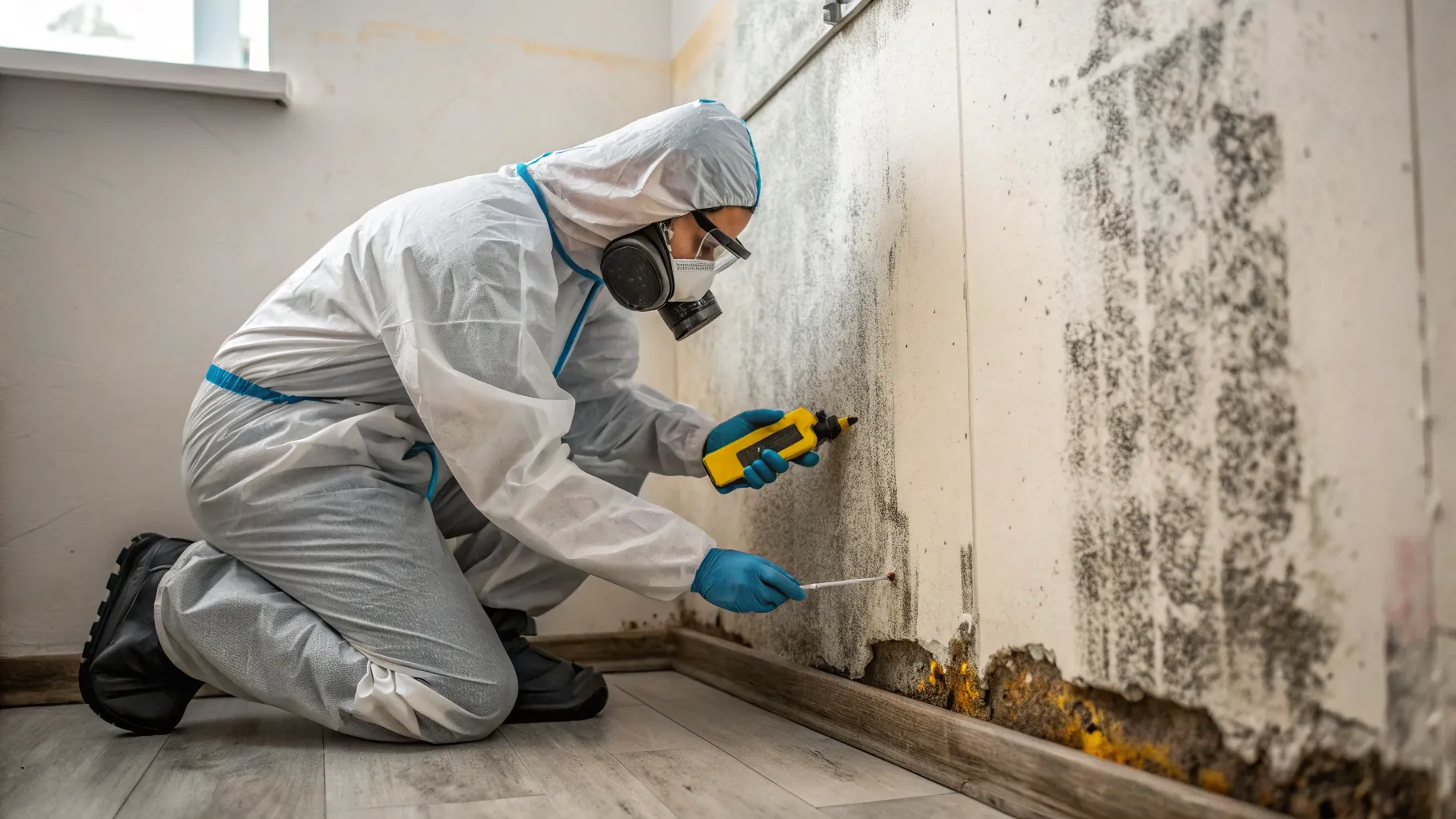
Understanding the Factors Influencing Mold Remediation Cost
The total mold remediation cost is not a fixed figure but rather a variable sum influenced by several critical factors. Primarily, the size and location of the mold infestation play a significant role; a small patch in a visible area will naturally cost less to treat than extensive growth hidden within walls or crawl spaces. The type of material affected is another major determinant; porous materials like drywall or insulation often require removal and replacement, increasing labor and material expenses, whereas non-porous surfaces can sometimes be cleaned. Accessibility also impacts the cost; areas that are difficult to reach, such as attics or subfloors, may necessitate more intensive labor and specialized equipment. Furthermore, the species of mold can influence the approach and precautions needed, although most remediation processes are designed to handle various types safely. Lastly, the extent of water damage that led to the mold growth can add to the overall expense, as water source identification and repair are often prerequisite steps to prevent recurrence.
The Step-by-Step Mold Removal Process Explained
A structured and meticulous approach is essential for effective mold removal process. When engaging in professional mold remediation, you can expect a series of well-defined steps designed to eradicate mold and prevent its return. Each stage is crucial for ensuring the health and safety of the occupants and the integrity of the property.
Initial Assessment and Mold Inspection
The first critical step in any mold removal process is a thorough mold inspection. Professionals will assess the extent of the mold growth, identify the moisture source causing the issue, and determine the type of materials affected. This initial assessment often includes air quality testing and surface sampling to confirm the presence of mold and identify its species, guiding the subsequent remediation strategy. This phase is vital for providing an accurate estimate for the mold remediation cost.
Containment of Affected Areas
To prevent the spread of mold spores to unaffected parts of the property, technicians establish containment barriers. This typically involves using plastic sheeting, negative air pressure machines, and specialized air scrubbers equipped with HEPA filters. Proper containment is a cornerstone of safe and effective professional mold remediation, minimizing cross-contamination and protecting clean areas from airborne spores during the removal activities.
Air Filtration and Ventilation
Throughout the mold removal process, continuous air filtration is maintained using HEPA air scrubbers. These devices capture airborne mold spores, dust, and other contaminants, significantly improving indoor air quality within the contained area. Adequate ventilation also helps in drying out affected areas and further reducing the concentration of airborne mold spores.
Removal of Mold-Contaminated Materials
This is often the most intensive part of the mold removal process. Materials heavily contaminated with mold, especially porous ones like drywall, insulation, carpeting, and fabrics, are carefully removed and double-bagged for disposal. Non-porous surfaces like glass, metal, and certain plastics can often be cleaned and disinfected rather than removed, impacting the overall cost of mold removal.
Cleaning and Disinfection
After the removal of contaminated materials, all remaining surfaces within the affected area are thoroughly cleaned using specialized anti-fungal and antimicrobial solutions. This step ensures that any lingering mold spores or residue are eliminated. It's crucial that cleaners are used properly and that surfaces are left pristine, preventing future growth. This meticulous cleaning is a hallmark of effective professional mold remediation.
Drying and Prevention
Once cleaning is complete, the area must be thoroughly dried. Industrial-strength dehumidifiers and air movers are utilized to reduce moisture levels, preventing new mold growth. Addressing the original moisture source – whether a leaky pipe, roof damage, or high humidity – is paramount in this stage to ensure the long-term success of the mold removal process. Failing to resolve the moisture source means mold will almost certainly return.
Final Inspection and Testing
The final step involves a rigorous inspection to confirm that all mold has been successfully removed and that the moisture levels are normalized. Post-remediation air quality testing may be conducted by an independent third party to ensure that spore counts have returned to acceptable levels, providing peace of mind and verifying the effectiveness of the professional mold remediation. This final check is crucial for certifying the completion of the mold removal process.
When to Call Professional Mold Remediation Services
Deciding when to engage professional mold remediation services is a critical aspect of managing mold issues. While small surface mold patches can sometimes be handled by homeowners, larger infestations, particularly those covering more than 10 square feet, or those located in inaccessible areas, definitely warrant expert intervention. If you suspect mold is hidden behind walls or beneath flooring due to a persistent musty odor, professionals have the tools and expertise for a thorough mold inspection and safe removal. Furthermore, individuals with allergies, asthma, or compromised immune systems should always defer to professionals to avoid health risks associated with mold exposure. Any mold growth resulting from contaminated water, such as sewage backups or flooding, also requires specialized hazardous material cleanup. The complexity of the mold removal process and the potential health implications often make professional help an invaluable investment, potentially saving you from greater mold remediation cost and health problems down the line.
Comparing DIY vs. Professional Mold Removal
When faced with mold, homeowners often ponder whether to tackle it themselves or hire professionals. Small, superficial mold patches, typically less than 10 square feet and on non-porous surfaces, might be amenable to DIY efforts using household cleaners and proper personal protective equipment. However, the larger the affected area, the more likely professional mold remediation becomes necessary. DIY attempts on extensive infestations can lead to incomplete removal, causing mold to reappear, or worse, inadvertently spreading spores throughout the home, increasing the future mold remediation cost and health risks. Professionals have specialized training, equipment like HEPA vacuums and air scrubbers, and containment strategies crucial for a thorough mold removal process. They also understand how to identify and address the moisture source effectively, a step often overlooked in DIY projects, which is critical for preventing recurrence. While the initial cost of mold removal by professionals may seem higher, it often proves to be a more cost-effective and safer long-term solution, ensuring complete eradication and preventing future issues.
Preventative Measures to Avoid Future Mold Issues
Preventing mold growth is far more cost-effective than dealing with the mold remediation cost. Implementing proactive strategies can significantly reduce the risk of future mold problems. Here are some actionable tips:
- Control Indoor Humidity: Maintain indoor humidity levels between 30% and 50% using dehumidifiers, especially in basements and crawl spaces. Proper ventilation in kitchens and bathrooms by running exhaust fans during and after showering or cooking is also crucial.
- Fix Leaks Promptly: Immediately repair any leaky roofs, windows, or pipes. Even small drips can create perfect conditions for mold to thrive. Regularly inspect plumbing and roofing for signs of damage or moisture.
- Ensure Proper Ventilation: Adequate airflow helps prevent condensation and reduces moisture buildup. Open windows and doors when the weather permits, and ensure your HVAC system is well-maintained and has clean filters.
- Clean and Dry After Flooding: If flooding occurs, clean and dry all affected areas and items within 24-48 hours. Remove water-damaged porous materials like carpets, upholstery, and drywall that cannot be thoroughly dried.
- Prevent Condensation: Insulate cold surfaces like pipes and exterior walls to prevent condensation buildup, which is a common cause of hidden mold.
- Regularly Clean and Inspect: Routinely clean bathrooms, kitchens, and other areas prone to moisture. Keep an eye out for musty odors or visible signs of mold, enabling early intervention before extensive mold removal process is needed.
Frequently Asked Questions
How much does mold remediation cost on average?
The average mold remediation cost can vary significantly, typically ranging from $1,500 to $6,000. However, for severe or extensive infestations, especially those requiring structural repairs or affecting large areas like an entire basement, the cost could exceed $10,000. Factors such as the size of the contaminated area, the type of materials affected, accessibility, and the need for reconstructive work all influence the final price.
What are the signs I need professional mold remediation?
You likely need professional mold remediation if you see mold covering an area larger than 10 square feet, if mold growth has occurred after a sewage leak or flood with contaminated water, or if you or your family members are experiencing health issues potentially related to mold exposure. A persistent musty odor, even without visible mold, can also indicate hidden growth that requires expert mold inspection and removal.
Can I do mold removal myself?
While small patches of mold (less than 10 square feet) on non-porous surfaces can sometimes be removed by homeowners using appropriate protective gear and cleaning solutions, larger infestations or those involving porous materials should be left to professionals. Attempting a DIY mold removal process for extensive mold can lead to incomplete removal, spread of spores, and potential health risks. Professionals have the necessary equipment, training, and experience to safely and effectively eradicate mold and address the underlying moisture issue.
References
- Environmental Protection Agency (EPA) Guidelines for Mold Remediation
- Centers for Disease Control and Prevention (CDC) Information on Mold and Health
- Institute of Inspection Cleaning and Restoration Certification (IICRC) Standards for Professional Mold Remediation
- American Industrial Hygiene Association (AIHA) Publications on Indoor Air Quality
- Occupational Safety and Health Administration (OSHA) Guidance on Mold in the Workplace
Authored by MyTrendSpot team