Mounjaro Weight Loss Injections Price Guide: Understanding Your Costs
Facts:
- Mounjaro is a leading GLP-1 and GIP receptor agonist for diabetes.
- Demand for information on weight loss injections cost continues to rise globally.
Deconstructing the Mounjaro Price: What to Expect
Understanding the actual Mounjaro price can be a significant hurdle for many individuals considering this medication for weight management. The landscape of pharmaceutical pricing, especially for innovative treatments like tirzepatide, is intricate, involving various factors from list prices to insurance complexities and patient savings programs. This comprehensive guide aims to demystify the weight loss injections cost, helping you navigate the financial considerations associated with Mounjaro treatment, ensuring you are well-informed about every aspect of your potential expenditure.
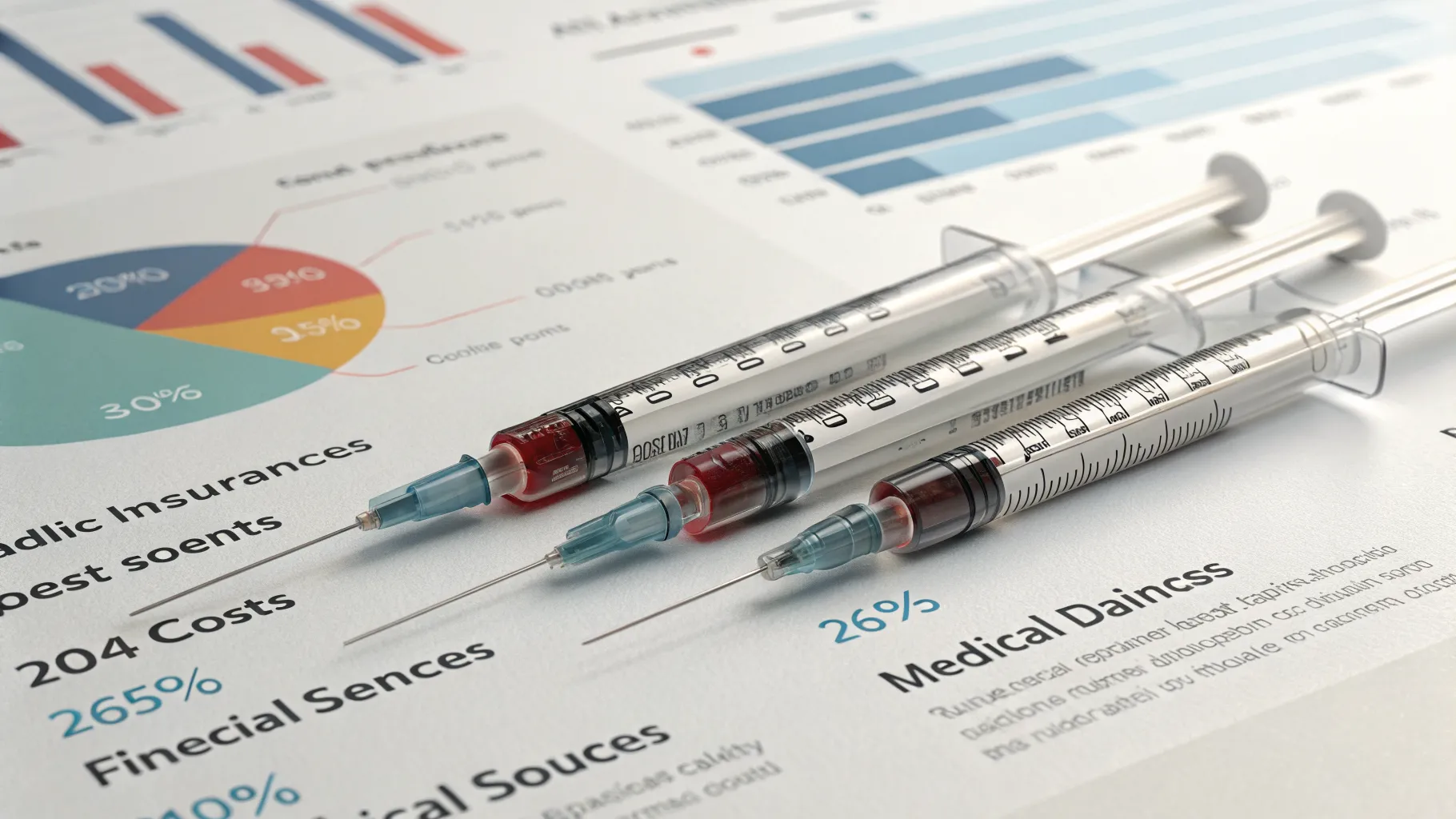
Understanding the List Price and Retail Mounjaro Cost
The list price set by the manufacturer, Eli Lilly, for Mounjaro (tirzepatide) is typically what pharmacies pay. However, the retail Mounjaro cost you encounter at the pharmacy can vary. This variation is influenced by several factors, including the pharmacy's markups, regional pricing strategies, and supply chain dynamics. Without insurance, the cash price for a month's supply of Mounjaro often ranges significantly, making the initial sticker shock for the tirzepatide cost substantial for many patients. It's crucial to understand that the list price is merely a starting point, and your actual out-of-pocket expense will be determined by a confluence of factors, including where you purchase it and any discounts applied.
Navigating Insurance Coverage Mounjaro for Weight Loss
One of the most critical aspects of managing your Mounjaro price is understanding your health insurance coverage. Insurance companies' policies regarding Mounjaro can be highly variable. While Mounjaro is FDA-approved for type 2 diabetes, its use for weight loss is often off-label, or it might require specific diagnostic codes or prior authorization even if approved for obesity (like its sister drug, Zepbound). Many insurance plans have strict criteria, formularies, and step-therapy requirements that must be met before covering the tirzepatide cost for weight loss. Verifying your specific plan's benefits and understanding whether insurance coverage Mounjaro extends to weight loss indications is an essential first step to anticipate your expenses.
Maximizing Savings: Mounjaro Savings Card and Patient Programs
Eli Lilly offers a Mounjaro savings card program designed to help eligible patients reduce their out-of-pocket costs. This card can significantly lower the monthly Mounjaro price for those with commercial insurance, often bringing the cost down to a manageable amount. Eligibility requirements typically include having commercial insurance and not being enrolled in government healthcare programs like Medicare or Medicaid. Beyond the savings card, there are also various patient assistance programs, sometimes directly through the manufacturer or through third-party organizations, that may offer further financial aid for the weight loss injections cost for those who qualify based on income or other criteria. Exploring these options can be vital for making treatment affordable.
Comparing Weight Loss Injections Cost: Mounjaro vs. Alternatives
When considering the Mounjaro price, it's beneficial to compare it against the cost of other popular weight loss injections cost options, such as Ozempic, Wegovy, and Saxenda. While all are GLP-1 receptor agonists (Mounjaro is also a GIP agonist), their pricing structures, insurance coverage, and manufacturer-sponsored savings programs can differ. For instance, Wegovy is specifically FDA-approved for weight management, which might affect its insurance coverage compared to Mounjaro for the same indication. A detailed analysis of each medication's list price, potential insurance coverage, and available savings programs will provide a clearer picture of which option is most financially viable for your specific circumstances, directly impacting your overall tirzepatide cost or alternative.
Long-Term Financial Planning for Tirzepatide Cost
Mounjaro, like many chronic disease medications, is often a long-term treatment. This means that the tirzepatide cost is not a one-time expense but an ongoing financial commitment. When planning for treatment, it's crucial to consider the cumulative Mounjaro price over months or even years. Factors such as potential changes in insurance coverage, the expiration of savings card programs, or future price adjustments by the manufacturer should be factored into your long-term budget. Additionally, staying informed about the potential for generic versions of tirzepatide in the future, which could significantly lower the weight loss injections cost, is also a wise approach for sustained financial planning.
Actionable Advice: Steps to Reduce Your Mounjaro Price
- Check your insurance formulary: Contact your insurance provider directly or check their online formulary to understand their specific policies on Mounjaro coverage for both diabetes and weight loss, including any prior authorization requirements.
- Explore the official Mounjaro savings card: Visit the Eli Lilly website to determine your eligibility and apply for the Mounjaro savings card, which can substantially reduce your monthly payment.
- Discuss with your doctor: Talk openly with your healthcare provider about the financial aspects of Mounjaro. They may be able to recommend alternative medications if the Mounjaro cost is prohibitive or help with appeal processes for insurance denials.
- Look into pharmacy discount programs: Many pharmacies offer their own discount programs or accept third-party prescription discount cards that could lower the cash price of tirzepatide cost.
- Consider manufacturer patient assistance programs: For individuals with limited income or no insurance, Eli Lilly's patient assistance program or other charitable organizations might offer Mounjaro at a reduced cost or for free.
Frequently Asked Questions
What is the typical Mounjaro price without insurance?
Without insurance, the cash price for Mounjaro can typically range from $1,000 to over $1,200 per month, depending on the pharmacy and dosage. This significant Mounjaro cost highlights the importance of exploring savings options.
How does the Mounjaro savings card work?
The Mounjaro savings card is a program offered by Eli Lilly that can help commercially insured patients reduce their monthly out-of-pocket expenses for Mounjaro, often bringing the cost down to a much lower amount, subject to program terms and conditions.
Is tirzepatide cost covered by all insurance plans for weight loss?
No, coverage for tirzepatide cost (Mounjaro) for weight loss varies significantly by insurance plan. Many plans require prior authorization or may not cover it at all if it's considered off-label or if a weight-loss specific drug like Zepbound is preferred.
Can I get Mounjaro for a lower cost through a compounding pharmacy?
While some compounding pharmacies offer compounded versions of tirzepatide, it's important to exercise caution. These products are not FDA-approved and may not have the same safety or efficacy profiles as brand-name Mounjaro, and their legality can be complex.
References
- Eli Lilly and Company Official Mounjaro Website
- National Institute of Diabetes and Digestive and Kidney Diseases
- American Association of Clinical Endocrinologists Guidelines
Authored by MyTrendSpot team