Navigating the Best: Unveiling the Top 15 Pediatric Trauma Centers in the United States
Fast Facts:
- Trauma is the leading cause of death for children and adolescents.
- Specialized **pediatric emergency care** improves outcomes for injured children.
Understanding the Landscape of Advanced Pediatric Trauma Care
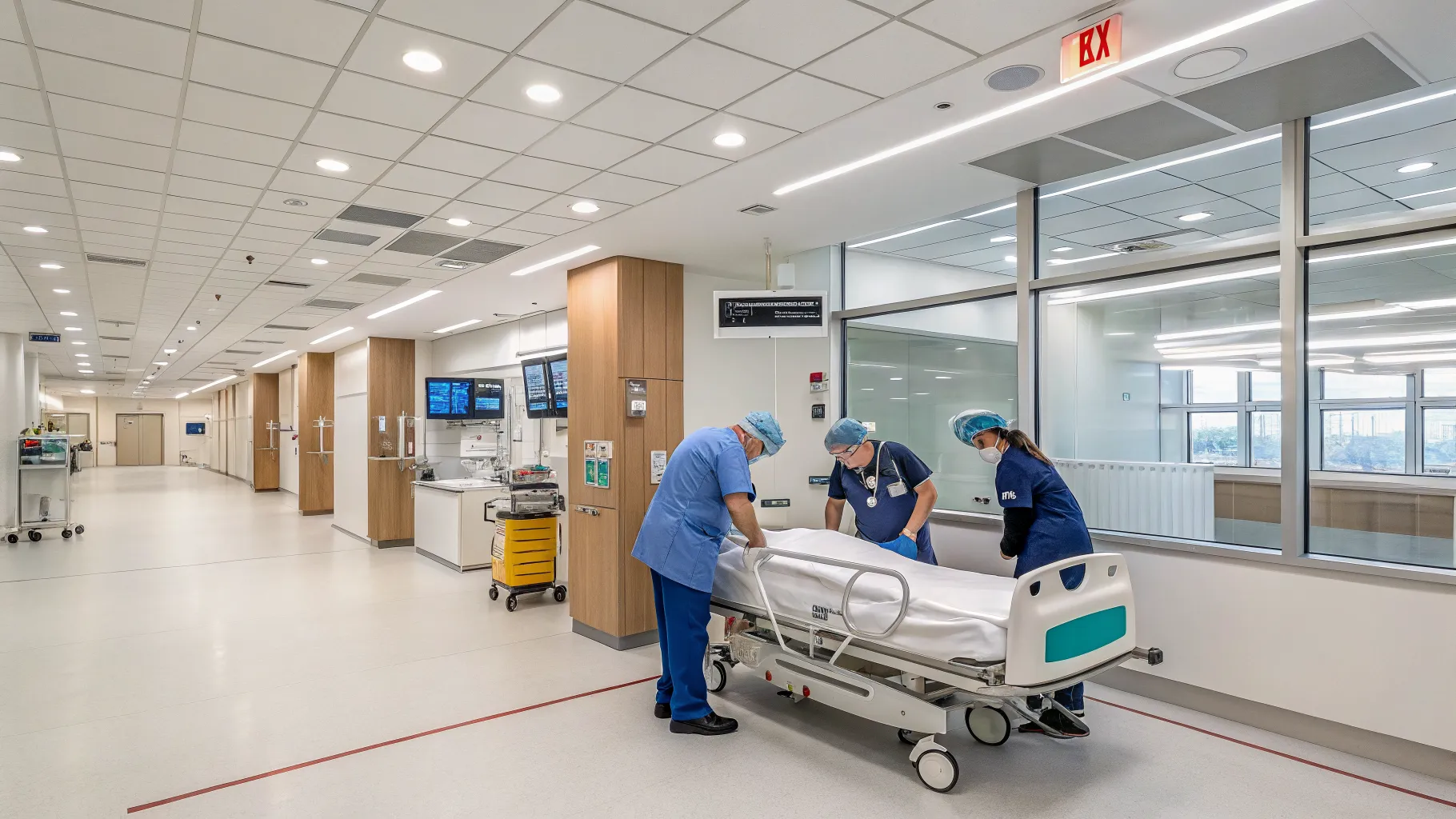
In the gravest moments of a child's life, access to exceptional **pediatric trauma centers** can be the defining factor between life and long-term recovery. These specialized facilities are equipped with the expertise, technology, and dedicated staff necessary to manage the unique physiological and psychological needs of severely injured children. From immediate resuscitation to complex surgical interventions and comprehensive rehabilitation, a **Level I pediatric trauma center** offers an unparalleled continuum of **pediatric emergency care**, ensuring that children receive the highest standard of treatment during critical situations.
1. Comprehensive Multi-Specialty Approach
The hallmark of a leading **pediatric trauma center** is its ability to offer a comprehensive, multi-specialty approach to **trauma care for children**. This involves immediate access to a wide array of pediatric subspecialists, including pediatric surgeons, neurosurgeons, orthopedists, intensivists, and anesthesiologists. These teams work in seamless coordination, often within a dedicated **pediatric emergency care** department, to provide rapid assessment and intervention, which is crucial for minimizing long-term disability and improving survival rates for the most critically injured children.
2. Advanced Diagnostic and Imaging Capabilities
Top-tier **children's hospitals** with trauma designation are equipped with state-of-the-art diagnostic imaging technologies specifically calibrated for pediatric patients. This includes low-dose CT scanners, MRI machines, and ultrasound, all staffed by pediatric radiologists trained to interpret images of developing bodies. Accurate and timely diagnosis is paramount in **pediatric emergency care**, guiding crucial treatment decisions and allowing for precise surgical planning in a **pediatric trauma center** setting.
3. Dedicated Pediatric Intensive Care Units (PICU)
A superior **pediatric trauma center** features a highly specialized Pediatric Intensive Care Unit (PICU) staffed by board-certified pediatric intensivists, critical care nurses, and respiratory therapists. These units are designed to manage the most complex and life-threatening conditions in children, providing continuous monitoring, advanced life support, and specialized interventions. The expertise within a PICU is vital for children recovering from severe trauma, ensuring they receive meticulous **trauma care for children** during their most vulnerable phase.
4. Specialized Pediatric Surgical Teams
The presence of dedicated pediatric surgical teams, skilled in operating on the delicate anatomy of children, is a non-negotiable aspect of the best **pediatric trauma centers**. From abdominal trauma to thoracic injuries and complex orthopedic fractures, these surgeons possess the specific training required to achieve optimal outcomes. Their proficiency in minimally invasive techniques, where appropriate, can also lead to faster recovery times and reduced pain for children undergoing **pediatric emergency care** surgical procedures.
5. Robust Injury Prevention Programs
Beyond acute treatment, leading **pediatric trauma centers** actively engage in community-based injury prevention programs. These initiatives, ranging from car seat safety checks to concussion awareness and fall prevention education, demonstrate a commitment to public health and reducing the incidence of **trauma care for children**. By addressing the root causes of pediatric injuries, these **children's hospitals** contribute significantly to the overall well-being of their communities.
6. Cutting-Edge Research and Innovation
The top **pediatric trauma centers** are often at the forefront of medical research, continually advancing the understanding and treatment of pediatric injuries. Participation in clinical trials, outcomes research, and the development of new surgical techniques ensures that patients benefit from the latest evidence-based practices and innovative therapies. This commitment to research elevates the standard of **pediatric emergency care** and fuels continuous improvement in **trauma care for children** globally.
7. Family-Centered Care Philosophy
Recognizing the profound impact of childhood trauma on families, the best **pediatric trauma centers** adopt a family-centered care philosophy. This means involving parents and caregivers in treatment decisions, providing robust emotional support services, and offering amenities designed to ease the burden on families during a stressful time. This holistic approach ensures that not only the child's physical needs are met but also their psychological and emotional well-being, a critical component of effective **pediatric emergency care**.
8. Seamless Transition to Rehabilitation Services
Recovery from severe trauma often requires extensive rehabilitation. Premier **pediatric trauma centers** boast integrated rehabilitation services, including physical therapy, occupational therapy, speech therapy, and psychological support, all tailored to the developmental needs of children. A smooth and well-coordinated transition from acute care to rehabilitation is essential for optimizing long-term functional outcomes and helping children regain their independence after receiving intensive **trauma care for children**.
9. Advanced Burn Care Capabilities
Many leading **pediatric trauma centers** also incorporate specialized burn units or have strong affiliations with comprehensive burn centers, understanding that pediatric burn injuries require highly specialized and prolonged care. This includes expertise in wound management, skin grafting, pain control, and psychological support, all critical elements of comprehensive **pediatric emergency care** for burn victims.
10. Expertise in Head and Spinal Cord Injuries
Traumatic brain injury (TBI) and spinal cord injuries (SCI) are particularly devastating for children. The top **pediatric trauma centers** feature specialized neurotrauma programs with dedicated pediatric neurosurgeons, neurologists, and rehabilitation specialists. Their expertise ensures optimal management of these complex injuries, from initial diagnosis and surgical intervention to long-term neurological rehabilitation, crucial for children requiring **trauma care for children**.
11. Child Life Services and Psychological Support
To mitigate the psychological impact of trauma and hospitalization, leading **children's hospitals** often provide extensive child life services. These specialists help children cope with medical procedures, pain, and anxiety through play, education, and emotional support. Additionally, access to pediatric psychologists and psychiatrists ensures that mental health needs are addressed, an integral part of holistic **pediatric emergency care** within a **pediatric trauma center**.
12. Efficient Trauma Team Activation and Response
The ability to rapidly activate a specialized trauma team is a defining feature of a top **pediatric trauma center**. Protocols are in place to ensure that upon arrival of a severely injured child, a multidisciplinary team of experts is immediately assembled and ready to provide coordinated care. This swift and efficient response is critical for improving outcomes in **pediatric emergency care**, particularly for time-sensitive injuries.
13. Regional Referral Center Status
Many of the top **pediatric trauma centers** serve as regional referral centers, receiving critically injured children from smaller hospitals or rural areas that lack the specialized resources for complex **trauma care for children**. This regional role underscores their advanced capabilities and the trust placed in their expertise by surrounding healthcare providers, solidifying their position as leaders in **pediatric emergency care**.
14. Accreditation and Verification
A crucial indicator of excellence is external accreditation and verification by bodies like the American College of Surgeons (ACS) as a **Level I pediatric trauma center**. This rigorous process ensures that the center meets the highest standards for staffing, equipment, and protocols necessary to provide optimal **pediatric emergency care** for all types of pediatric injuries. Such verification signifies a commitment to continuous quality improvement in **trauma care for children**.
15. Community Engagement and Education
Beyond treating acute injuries, the premier **pediatric trauma centers** are deeply integrated into their communities through educational outreach, public health campaigns, and partnerships with schools and emergency services. They educate parents, teachers, and first responders on injury prevention and appropriate responses to pediatric emergencies, reinforcing their role as pillars of **pediatric emergency care** and advocates for child safety.
Distinguishing Excellence in Pediatric Trauma Care
When comparing **pediatric trauma centers**, it's crucial to look beyond basic capabilities and delve into the depth of their specialized services. While all designated trauma centers provide essential **pediatric emergency care**, the truly exceptional ones offer an unmatched breadth of pediatric subspecialties available 24/7. This includes not just general pediatric surgery but also highly specialized fields like pediatric neurosurgery, orthopedic trauma surgery, and craniofacial surgery, all critical for complex **trauma care for children**. Furthermore, the integration of advanced research programs and participation in national trauma registries significantly differentiates leading institutions, as they are not only delivering care but also actively shaping the future of **pediatric emergency care**. The availability of dedicated pediatric rehabilitation specialists who understand developmental milestones is another key differentiator, ensuring that recovery is tailored to a child's unique needs, preventing long-term complications and maximizing functional return after severe injuries.
Choosing the Right Pediatric Trauma Center
Verify Accreditation: Always confirm if a hospital is a verified **Level I pediatric trauma center** or at least a Level II, as designated by the American College of Surgeons or state health departments. This accreditation signifies adherence to stringent standards for equipment, personnel, and trauma care protocols, ensuring optimal **pediatric emergency care**.
Inquire About Pediatric Specialization: Ascertain the depth of pediatric-specific expertise. Does the center have dedicated pediatric surgeons, intensivists, anesthesiologists, and radiologists? The presence of staff exclusively trained in **trauma care for children** can significantly impact outcomes.
Assess Support Services: Evaluate the availability of comprehensive support services such as child life specialists, social workers, and pediatric psychologists. These services are vital for addressing the emotional and psychological needs of both the child and family during and after a traumatic event, forming a crucial part of holistic **pediatric emergency care**.
Consider Rehabilitation Integration: For severe injuries, long-term rehabilitation is often necessary. Inquire about the center's integrated rehabilitation programs and their expertise in pediatric physical, occupational, and speech therapies. A seamless transition to and access to specialized **trauma care for children** rehabilitation can greatly influence recovery.
Understand Family-Centered Approach: A leading **pediatric trauma center** will prioritize family involvement in care decisions and provide resources for family support. This includes communication channels, visiting policies, and accommodation options, ensuring that families are partners in their child's **pediatric emergency care** journey.
Frequently Asked Questions
What defines a **Level I pediatric trauma center**?
A **Level I pediatric trauma center** is the highest designation, indicating a hospital's capability to provide total care for every aspect of severe injury, from prevention through rehabilitation. This includes 24-hour in-house coverage by general surgeons and prompt availability of care in multiple specialties like orthopedic surgery, neurosurgery, anesthesiology, emergency medicine, radiology, and critical care. They also play a leading role in research, education, and injury prevention, offering comprehensive **pediatric emergency care** for the most complex cases of **trauma care for children**.
How do **children's hospitals** contribute to better trauma outcomes?
**Children's hospitals** are uniquely structured to address the specific needs of pediatric patients. They have equipment sized for children, medications dosed for pediatric physiology, and staff specially trained in pediatric care. This specialized environment significantly improves outcomes for injured children by providing age-appropriate interventions, reducing complications, and offering a comforting, child-friendly atmosphere. Their dedicated focus on **pediatric emergency care** ensures that all aspects of **trauma care for children** are optimized for young patients.
References
- American College of Surgeons Committee on Trauma. Resources for Optimal Care of the Injured Patient.
- Journal of Pediatric Surgery. Advances in Pediatric Trauma Management.
- Pediatric Emergency Care Journal. Best Practices in Pediatric Emergency Medicine.
- National Association of Children's Hospitals and Related Institutions.
Authored by MyTrendSpot team