Navigating the World of Digital Home Decor Retailers: Trends in Online Home Decor
Facts:
- Global online furniture market to hit $325B.
- Augmented reality for home furnishings is a key trend for tech-savvy buyers.
The Evolution of Online Home Decor Retail: A Deep Dive into Digital Furnishings
The landscape of interior design and furnishing has undergone a significant transformation, largely driven by the rise of digital home decor retailers. What was once a predominantly in-store experience has now migrated to the virtual realm, offering consumers unprecedented access to a vast array of styles, products, and price points from the comfort of their homes. This shift is not merely about convenience; it represents a fundamental change in how individuals discover, visualize, and purchase items for their living spaces. The growth of online home decor platforms has democratized design, enabling anyone to curate a beautifully decorated home with just a few clicks. This evolution is continuously shaped by technological advancements, changing consumer expectations, and innovative business models, making it a dynamic and exciting sector to explore.
Key Strategies for Digital Home Decor Retailers
Embracing Virtual Try-On Technologies
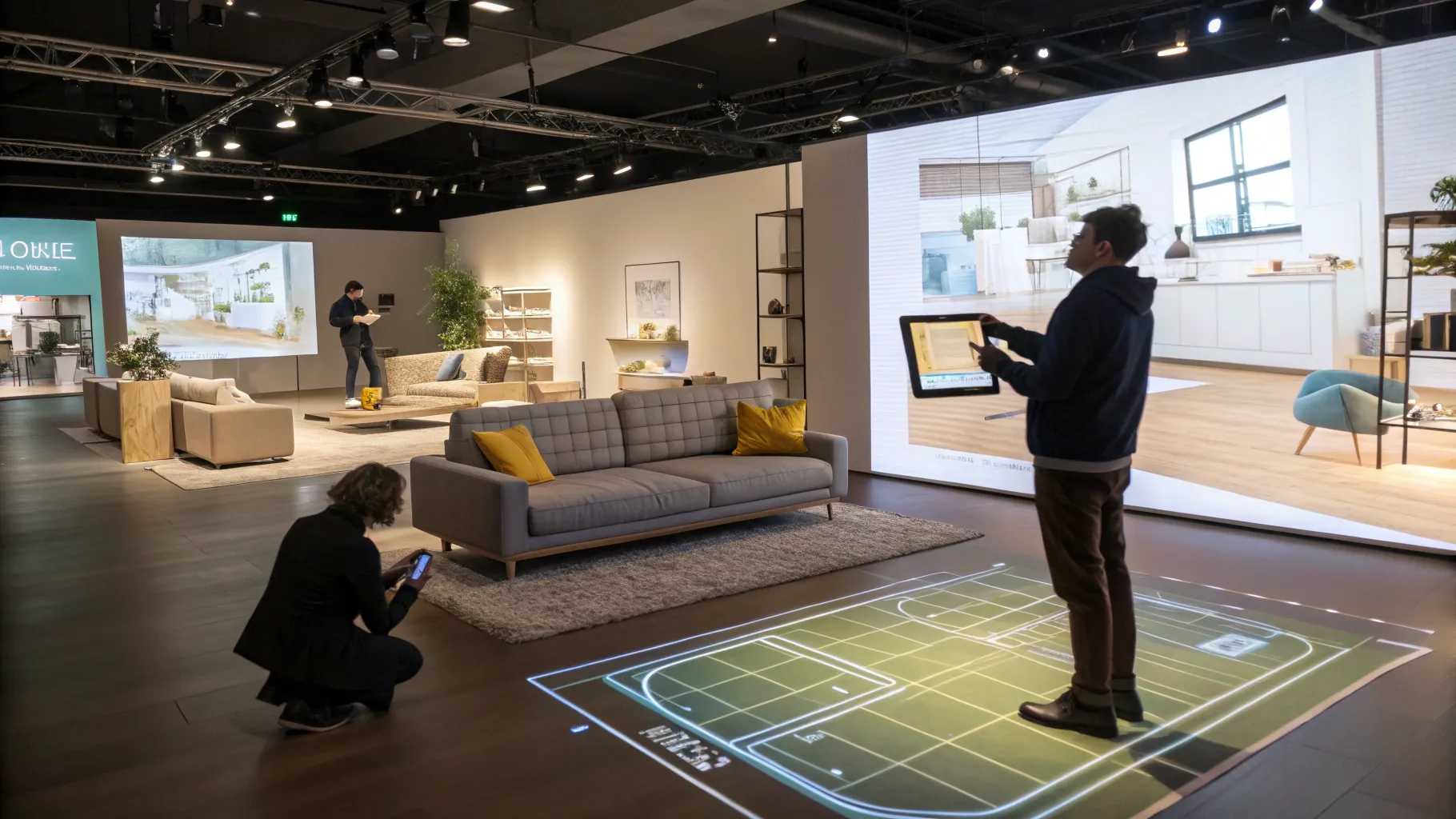
One of the most impactful innovations driving the success of digital home decor retailers is the widespread adoption of virtual try-on technologies. Augmented Reality (AR) and Virtual Reality (VR) tools allow consumers to visualize furniture and decor items within their actual living spaces before making a purchase. This capability significantly reduces buyer hesitation and the incidence of returns, as customers gain a clear understanding of how an item will look and fit. Features like virtual staging, where users can 'place' digital models of sofas, tables, or lamps in their rooms using a smartphone camera, are becoming standard. This immersive experience bridges the gap between online browsing and real-world application, fundamentally changing the consumer journey for online home decor.
Personalization at Scale in E-commerce Home Furnishings
The ability to offer highly personalized shopping experiences is a cornerstone for leading digital home decor retailers. Leveraging advanced algorithms and machine learning, these platforms analyze customer browsing history, purchase patterns, and declared preferences to deliver tailored recommendations. This level of personalization extends beyond simple product suggestions; it includes customized homepage layouts, personalized email campaigns, and even curated style guides. For businesses in e-commerce home furnishings, this means understanding individual tastes and presenting relevant options efficiently, fostering a stronger connection with the consumer and increasing conversion rates by showing them exactly what they might love.
Optimizing the Online Shopping Experience
A seamless and intuitive online shopping experience is paramount for any successful digital home decor retailer. This encompasses everything from high-resolution product images and 3D models to detailed product descriptions, customer reviews, and easy navigation. Websites and mobile applications must be responsive, fast-loading, and user-friendly across all devices. Furthermore, transparent pricing, clear shipping policies, and straightforward return processes build trust and encourage repeat business. Focusing on every touchpoint of the consumer journey, from initial search to post-purchase support, is crucial for excelling in the competitive world of online home decor and ensures a positive brand perception.
Leveraging Social Commerce and Influencer Marketing
Social media has become an indispensable channel for digital home decor retailers to connect with their audience, showcase products, and drive sales. Platforms like Instagram, Pinterest, and TikTok are visual powerhouses, perfectly suited for inspiring interior design ideas. Retailers are increasingly integrating social commerce features, allowing customers to purchase directly from posts or stories. Collaborations with interior design influencers and content creators also play a vital role, as these individuals can authentically present products and inspire their followers, establishing new digital decorating trends. This strategy not only expands reach but also builds credibility and community around the brand.
The Rise of Niche Home Decor Marketplaces
While large general retailers offer vast selections, the market has seen a significant rise in niche home decor marketplaces that cater to specific styles, ethical considerations, or handcrafted items. These specialized platforms often provide a more curated shopping experience, attracting consumers looking for unique, artisanal, or sustainable pieces that might be harder to find elsewhere. By focusing on a particular aesthetic or value proposition, these digital home decor retailers can build strong brand loyalty within their target demographics. They offer an alternative to the mass-market approach, providing a tailored journey for specific segments of the online home decor community.
Comparison: Direct-to-Consumer vs. Marketplace Digital Home Decor Retailers
When considering digital home decor retailers, consumers often navigate between direct-to-consumer (DTC) brands and larger online marketplaces. DTC brands, like a specific furniture maker selling directly from their website, offer the advantage of brand consistency, often specialized customer service, and direct access to unique collections. They typically have full control over the customer experience and can offer a more cohesive brand story, appealing to those seeking a specific aesthetic or quality. In contrast, large online home decor marketplaces, such as Amazon, Wayfair, or Etsy, provide an unparalleled breadth of products from numerous sellers, often at competitive prices. They excel in convenience, offering one-stop shopping for a variety of needs, but may lack the specialized expertise or curated feel of a DTC brand. For consumers, the choice often comes down to prioritizing either a focused, branded experience or maximum selection and competitive pricing when engaging with e-commerce home furnishings. Each model presents distinct advantages, shaping how customers approach their online home decor purchases.
Maximizing Your Success with Digital Home Decor Retailers
- Invest in High-Quality Visuals and 3D Models: High-resolution images, 360-degree views, and interactive 3D models are no longer luxuries but necessities. They allow customers to inspect products from every angle, understanding texture, scale, and detail, which is critical for online home decor purchases. This visual fidelity helps overcome the tactile limitations of virtual shopping.
- Prioritize Mobile-First Design: A significant portion of online browsing and purchasing happens on mobile devices. Ensuring your platform is fully optimized for smartphones and tablets, offering a responsive and intuitive interface, is crucial for capturing and retaining customers engaging with digital home decor retailers.
- Offer Seamless Returns and Customer Support: A clear, hassle-free return policy and accessible, responsive customer service build immense trust. When buying e-commerce home furnishings sight unseen, customers need reassurance that their investment is protected and that help is readily available if issues arise.
- Implement AI-Powered Product Recommendations: Leveraging artificial intelligence to suggest products based on browsing history, past purchases, and stylistic preferences can significantly enhance the shopping experience. Personalized recommendations make discovering new items easier and more efficient within the vast selections offered by online home decor platforms.
- Engage with Digital Decorating Trends: Regularly update your product offerings and content to reflect current and emerging digital decorating trends. Staying ahead of the curve not only keeps your inventory fresh but also positions your brand as a leader and authority in the dynamic world of home aesthetics, attracting trend-conscious consumers.
Frequently Asked Questions
What are the biggest advantages of shopping with digital home decor retailers?
The biggest advantages include unparalleled convenience, access to a vast global selection of products, competitive pricing, and the ability to easily compare items from different brands. Additionally, innovative tools like virtual try-on help visualize purchases, making online home decor shopping more efficient and less risky for consumers.
How do online home decor platforms ensure product quality?
Leading digital home decor retailers ensure product quality through detailed descriptions, high-resolution imagery, 3D models, customer reviews and ratings, and often by curating their selections from reputable suppliers. Many also have robust return policies that allow customers to return items that don't meet expectations, fostering trust in e-commerce home furnishings.
What role does virtual staging play in online furniture sales?
Virtual staging plays a crucial role by allowing customers to preview how furniture and decor items will look in their own homes using augmented reality (AR) technology. This significantly enhances confidence in purchase decisions, reduces the likelihood of returns, and helps customers better visualize scale, color, and style compatibility, making the online home decor shopping experience more interactive and effective.
References
- Global E-commerce Market Insights Report, 2026
- Consumer Behavior Trends in Online Retail, 2026
- Innovations in Augmented Reality for Retail, 2025-2026
Authored by MyTrendSpot team