Exploring New Treatments for Type 2 Diabetes: Advances in Glycemic Control
Fast Facts:
- Breakthroughs promise enhanced glycemic control for patients.
- Innovative diabetes therapies are expanding options for personalized Type 2 diabetes management.
Pioneering Approaches to Type 2 Diabetes Management
The landscape of Type 2 diabetes management is undergoing a profound transformation, driven by relentless scientific inquiry and technological advancements. Patients and healthcare providers alike are witnessing the emergence of truly novel drug treatments and sophisticated therapeutic strategies that are redefining what's possible in achieving sustained glycemic control and even hinting at diabetes remission. This comprehensive overview delves into the cutting-edge developments that are shaping the future of care, offering profound insights into how these innovative diabetes therapies are poised to improve millions of lives worldwide.
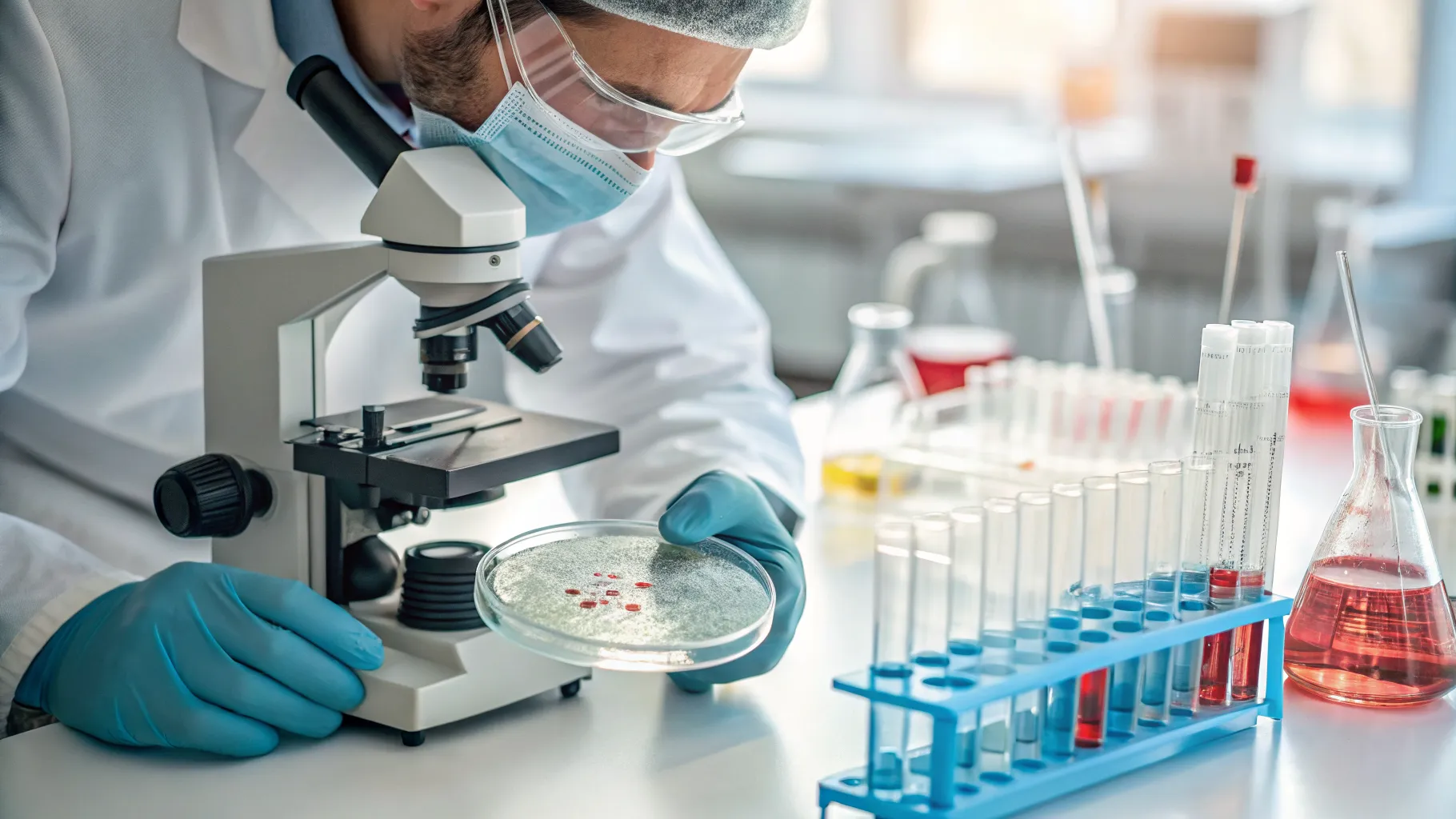
Emerging Drug Classes Revolutionizing Glycemic Control
Pharmaceutical innovation continues to be a cornerstone of Type 2 diabetes management, with several new classes of drugs offering enhanced efficacy and novel mechanisms of action. Among these, the GLP-1 receptor agonists and SGLT2 inhibitors have already reshaped treatment paradigms, but newer, even more potent compounds are on the horizon. Dual and triple agonists targeting multiple incretin receptors, for example, are demonstrating superior glycemic control and significant weight loss benefits in clinical trials. These next-generation compounds not only lower blood glucose but also address associated comorbidities, making them integral to holistic innovative diabetes therapies. Understanding the specific pharmacological profiles and patient suitability for these novel drug treatments is critical for optimizing individual outcomes and moving closer to effective diabetes remission strategies.
Technological Innovations Advancing Diabetes Remission Strategies
Beyond pharmacotherapy, technological advancements are playing an increasingly vital role in facilitating Type 2 diabetes management. Continuous glucose monitoring (CGM) systems have become more accurate, less intrusive, and widely accessible, empowering patients with real-time data to make informed dietary and activity choices. Integrated insulin delivery systems, often referred to as artificial pancreas systems, are also becoming more sophisticated, automating insulin dosing based on CGM readings. These technologies are not just about managing symptoms; they are crucial tools in the pursuit of diabetes remission. By providing precise control and immediate feedback, these innovative diabetes therapies enable a more proactive and personalized approach, helping patients maintain tight glycemic control and potentially reduce their reliance on medication over time, leading to higher rates of achieving diabetes remission.
Personalized Approaches in Type 2 Diabetes Management
The concept of "one-size-fits-all" is rapidly becoming obsolete in Type 2 diabetes management. Advances in genetics, proteomics, and metabolomics are paving the way for highly personalized treatment strategies. Pharmacogenomics, for instance, allows for the prediction of individual responses to specific novel drug treatments, minimizing trial-and-error and improving therapeutic efficacy. Nutritional science is also evolving, with personalized dietary recommendations based on individual metabolic profiles gaining traction. These tailored approaches, considered part of the broader innovative diabetes therapies, promise not only better glycemic control but also a higher quality of life and potentially sustained diabetes remission for a greater number of individuals. Implementing these personalized plans requires close collaboration between patients, endocrinologists, dietitians, and other healthcare professionals.
Promising Research in Cellular and Gene Therapies for Diabetes
Looking further into the future, research into cellular and gene therapies offers truly revolutionary prospects for Type 2 diabetes management. Stem cell research, particularly involving induced pluripotent stem cells, is exploring ways to regenerate insulin-producing beta cells, a fundamental cause of both Type 1 and advanced Type 2 diabetes. While still largely experimental, these innovative diabetes therapies could fundamentally alter the disease course. Gene editing technologies like CRISPR are also being investigated for their potential to correct genetic predispositions or enhance the body's natural mechanisms for glycemic control. These ambitious projects represent the pinnacle of novel drug treatments and biological interventions, holding the promise of not just management, but a potential cure or true diabetes remission. Extensive clinical trials are ongoing to ensure safety and long-term efficacy.
Navigating the Future of Novel Drug Treatments and Prevention
The continuous evolution of novel drug treatments and preventative strategies underscores a critical shift in how we approach Type 2 diabetes management. Beyond direct therapeutic interventions, a greater emphasis is being placed on early identification of at-risk individuals and aggressive lifestyle modifications to prevent disease progression. New biomarkers are being discovered that can predict the onset of diabetes years in advance, allowing for timely intervention. Furthermore, the integration of digital health platforms and artificial intelligence is enhancing data analysis, providing deeper insights into disease patterns and treatment effectiveness. These comprehensive strategies, incorporating both cutting-edge innovative diabetes therapies and robust public health initiatives, are essential for achieving broader glycemic control across populations and increasing the incidence of diabetes remission globally.
Actionable Advice for Adopting New Treatments for Type 2 Diabetes
Consult Your Endocrinologist: Always discuss new treatments for Type 2 Diabetes and novel drug treatments with your doctor. They can assess your individual health profile, current medications, and comorbidities to determine the most suitable and safe options for you, including potential pathways to diabetes remission.
Stay Informed: Keep abreast of the latest developments in innovative diabetes therapies and Type 2 diabetes management. Reputable medical journals, patient advocacy groups, and trusted health websites can provide valuable information on advancements in glycemic control.
Prioritize Lifestyle Modifications: Even with advanced medications, diet and exercise remain crucial. Work with a dietitian and certified trainer to create a personalized plan that complements your medical treatment, enhancing overall glycemic control and supporting potential diabetes remission.
Monitor Your Health Regularly: Utilize modern tools like continuous glucose monitors (CGM) to track your blood sugar trends. Regular check-ups and lab tests are essential to monitor the effectiveness of your treatment plan and make necessary adjustments for optimal Type 2 diabetes management.
Engage in Support Networks: Connecting with others who have Type 2 diabetes can provide emotional support and practical advice. Sharing experiences can help you navigate the challenges and successes of managing the condition and exploring new treatments for Type 2 Diabetes effectively.
Frequently Asked Questions
What are the most promising novel drug treatments for Type 2 diabetes management?
The most promising novel drug treatments include next-generation GLP-1 receptor agonists, SGLT2 inhibitors, and dual/triple incretin agonists. These drugs offer superior glycemic control, significant weight loss, and cardiovascular benefits, fundamentally transforming Type 2 diabetes management strategies. Additionally, research into advanced immunotherapies and personalized medicine approaches is showing immense potential.
Can diabetes remission be achieved with innovative diabetes therapies?
Yes, diabetes remission is increasingly recognized as an achievable goal with dedicated innovative diabetes therapies, particularly through intensive lifestyle interventions, bariatric surgery in eligible individuals, and early, aggressive pharmacological Type 2 diabetes management. Maintaining sustained glycemic control is key, and new technologies like advanced CGM systems play a crucial role in supporting these efforts.
References
- American Diabetes Association. Standards of Medical Care in Diabetes.
- The Lancet. Recent advances in Type 2 diabetes management.
- New England Journal of Medicine. Efficacy of novel drug treatments for glycemic control.
- Journal of Clinical Endocrinology & Metabolism. Pathways to diabetes remission.
- Diabetes Care. Technological innovative diabetes therapies for Type 2 diabetes.
Authored by MyTrendSpot team