Non-Invasive Laser Therapy for Chronic Back Pain: A Path to Lasting Relief
Fast Facts:
- Non-invasive laser therapy can significantly reduce pain.
- Trending for drug-free pain management for chronic back pain sufferers.
Understanding Non-Invasive Laser Therapy for Chronic Back Pain
Chronic back pain relief remains a significant challenge for millions globally. Traditional approaches often involve medication, physical therapy, or, in severe cases, surgery. However, a growing number of individuals are turning to advanced, non-invasive alternatives. One such highly effective treatment is low-level laser therapy, also known as LLLT or photobiomodulation. This innovative therapy utilizes specific wavelengths of light to penetrate the skin and stimulate cellular function, promoting healing and reducing inflammation directly at the source of pain. It offers a promising option for those seeking a holistic and side-effect-free path to recovery from persistent back discomfort, addressing the root causes rather than just masking symptoms.
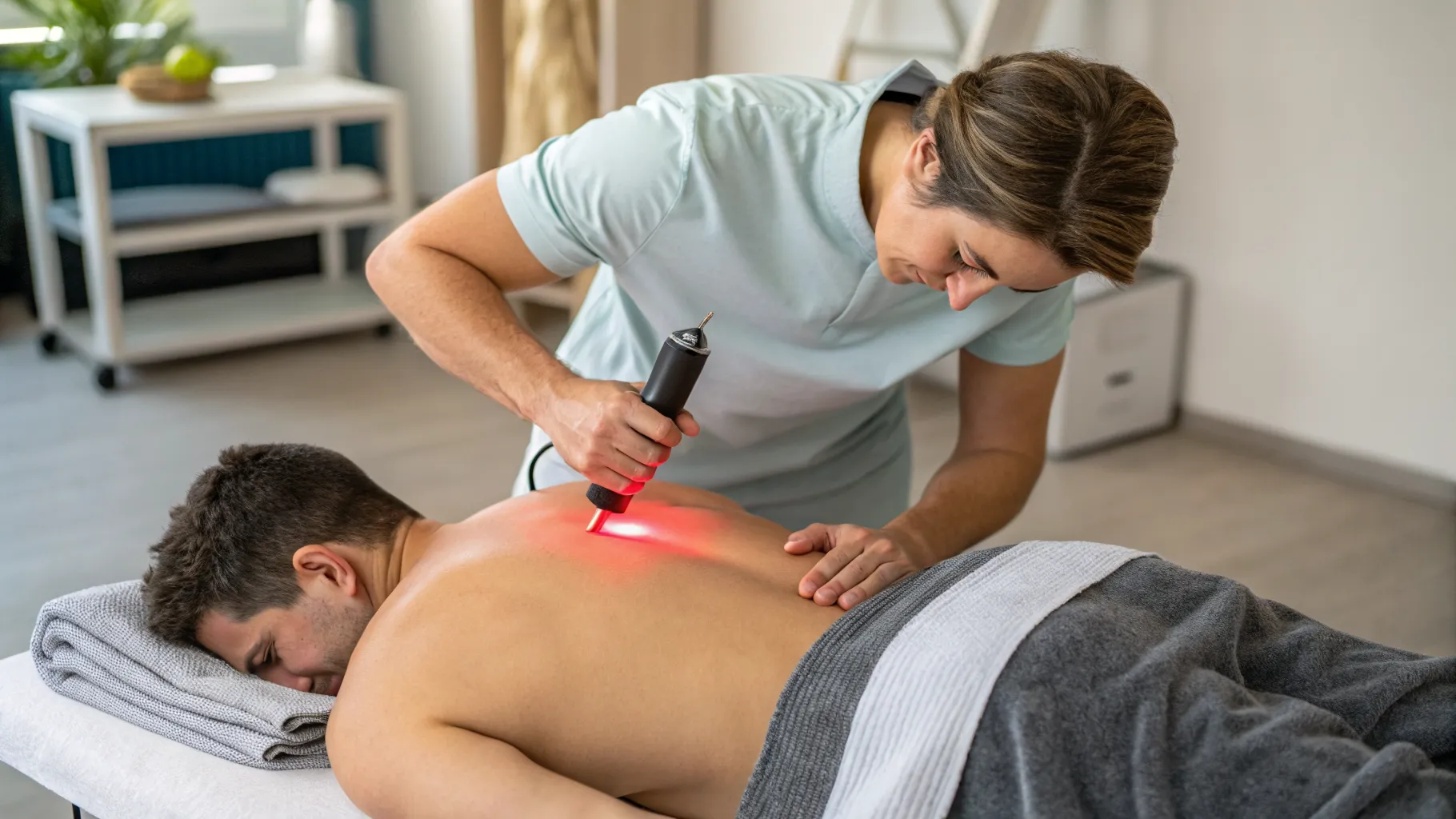
The Science Behind Photobiomodulation for Pain Management
Photobiomodulation, or LLLT, operates on the principle that specific light wavelengths can be absorbed by cells, particularly the mitochondria. This absorption kickstarts a cascade of metabolic events, leading to increased ATP production, enhanced cellular repair, and reduced oxidative stress. For individuals battling chronic back pain relief, this means a direct mechanism to decrease inflammation, accelerate tissue regeneration, and improve local blood circulation. Unlike invasive procedures, low-level laser therapy is gentle, painless, and carries no significant risks, making it an attractive option for long-term pain management therapy. The targeted application allows for precise treatment of affected areas, fostering an optimal healing environment within the spinal tissues and surrounding musculature.
Benefits of Low-Level Laser Therapy for Spinal Health
The advantages of incorporating low-level laser therapy into a treatment plan for chronic back pain relief are numerous and well-documented. Firstly, it offers a non-pharmacological approach, eliminating concerns about drug dependence or side effects commonly associated with pain medications. Patients often report rapid reduction in pain intensity and muscle spasms after just a few sessions. Furthermore, LLLT promotes natural healing processes, strengthening tissues and improving overall spinal health rather than just providing temporary symptomatic relief. This holistic approach supports the body's intrinsic ability to recover, leading to more sustainable outcomes. The treatment is also convenient, with sessions typically lasting only 10-20 minutes, allowing patients to easily integrate it into their busy schedules without significant disruption.
Comparing Non-Invasive Laser Therapy with Traditional Treatments
When considering options for chronic back pain relief, it's essential to compare non-invasive laser therapy with conventional treatments. While physical therapy, chiropractic adjustments, and medication can be effective, they often come with limitations. Medications can have systemic side effects and only manage symptoms. Injections, while targeted, are invasive and temporary. Surgery, the most invasive option, carries significant risks and prolonged recovery. Low-level laser therapy stands out as a unique form of pain management therapy because it directly stimulates cellular repair and reduces inflammation without any of these drawbacks. It complements other therapies beautifully, enhancing their effectiveness, and for many, it serves as a primary, stand-alone solution, providing sustainable chronic back pain relief without the need for drugs or surgery. Its ability to accelerate healing at a cellular level sets it apart, offering a more profound and lasting impact on the underlying pathology of back pain.
Who Can Benefit from Non-Invasive Laser Therapy?
Non-invasive laser therapy is suitable for a wide range of individuals experiencing chronic back pain relief. This includes those suffering from conditions such as disc herniations, sciatica, degenerative disc disease, muscle strains, fibromyalgia affecting the back, and even post-surgical pain. Athletes experiencing overuse injuries or persistent back discomfort can also find significant relief through LLLT, as it aids in faster recovery and tissue repair. Furthermore, individuals who have not found success with conventional treatments or those looking for an alternative to medication and surgery are excellent candidates for this advanced pain management therapy. A consultation with a qualified healthcare professional can determine if photobiomodulation is the right course of action, tailoring a treatment plan to specific needs and pain profiles to ensure optimal outcomes.
Integrating LLLT into Your Chronic Back Pain Management Plan
Successfully managing chronic back pain relief often involves a multi-faceted approach, and low-level laser therapy can be a cornerstone of such a plan. For best results, consider the following actionable advice:
- Consult a Specialist: Always begin by consulting with a healthcare professional experienced in LLLT to ensure it's appropriate for your specific condition. They can provide an accurate diagnosis and tailor a treatment protocol.
- Adhere to Treatment Schedule: Consistency is key. Follow the recommended schedule of sessions to maximize the cumulative effects of the photobiomodulation on cellular healing and inflammation reduction.
- Combine with Rehabilitation: While powerful on its own, integrating non-invasive laser therapy with targeted exercises, stretching, and ergonomic adjustments can further enhance recovery and prevent recurrence of chronic back pain relief.
- Maintain a Healthy Lifestyle: Support your body's healing process by eating a nutritious diet, staying hydrated, getting adequate sleep, and managing stress. These factors significantly impact overall pain management therapy effectiveness.
- Monitor Progress: Keep track of your pain levels, mobility, and overall well-being throughout the treatment course. This helps you and your practitioner assess the effectiveness and make any necessary adjustments to the plan.
Frequently Asked Questions
What is the typical duration of a low-level laser therapy session?
A typical low-level laser therapy session for chronic back pain relief usually lasts between 10 to 20 minutes, depending on the specific area being treated and the intensity required. Multiple sessions are often recommended for optimal results.
Is non-invasive laser therapy painful?
No, non-invasive laser therapy is generally painless. Patients typically feel a gentle warmth or no sensation at all during the treatment. It is a comfortable and relaxing procedure for pain management therapy.
How many LLLT sessions are needed for chronic back pain relief?
The number of LLLT sessions required varies based on the individual's condition and the severity of their chronic back pain relief. A common course involves 6-12 sessions, often scheduled 2-3 times per week initially, followed by maintenance sessions as needed. Your practitioner will determine the best schedule for you.
Are there any side effects of photobiomodulation?
Photobiomodulation is known for its excellent safety profile. Serious side effects are extremely rare. Some patients might experience temporary mild soreness in the treated area, which usually subsides quickly. It is a very safe form of pain management therapy.
References
- Journal of Orthopaedic & Sports Physical Therapy,
Authored by MyTrendSpot team