Elevate Your Space: Discovering the Best Ottomans for Home Use
Fast Facts:
- Ottomans are rapidly gaining popularity in modern homes.
- Multifunctional designs are a key trend for home decor ottomans.
Unlocking the Potential of Ottomans for Home Use
In the evolving landscape of contemporary interior design, ottoman furniture has transcended its traditional role as a mere footrest to become a truly indispensable and versatile ottoman piece for any living space. These adaptable items offer a myriad of functions, from providing extra seating to serving as stylish storage solutions or even impromptu coffee tables. Understanding the full spectrum of their utility and design possibilities is key to maximizing their impact in your home environment.
Beyond the Footrest: The Multifaceted Role of Ottoman Furniture
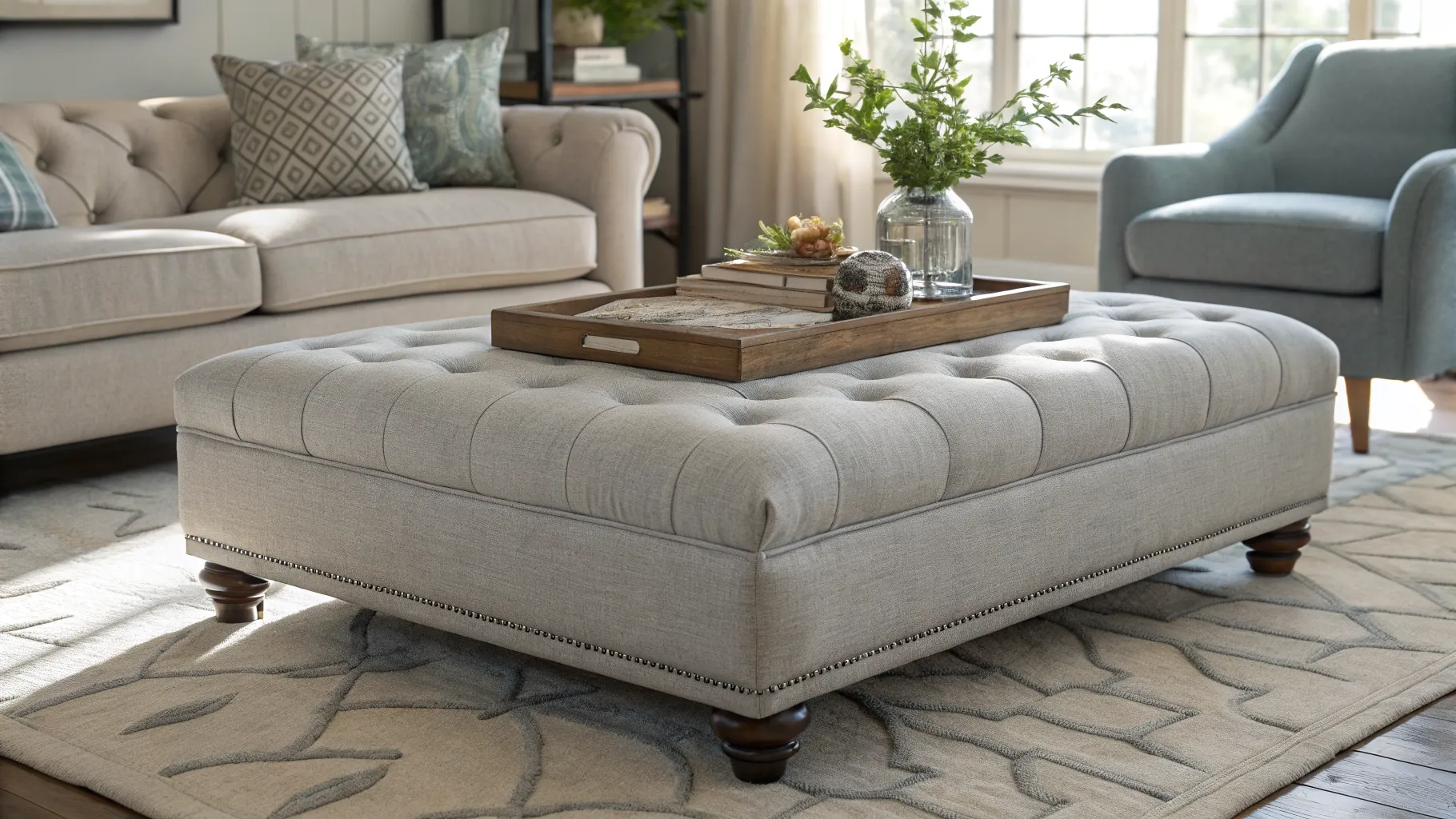
While historically known primarily as a comfortable spot to rest your feet, modern ottoman furniture has evolved significantly. Today, these pieces are celebrated for their incredible versatility. They can act as supplementary seating during gatherings, providing a comfortable and informal perch for guests without cluttering the room with additional chairs. Many designs incorporate hidden compartments, making them excellent storage ottomans for blankets, magazines, remote controls, or children's toys, effectively decluttering your living areas. Furthermore, with the addition of a tray, an ottoman can effortlessly transition into a stylish coffee table, offering a convenient surface for drinks, books, or decorative items. This adaptability makes them particularly valuable in smaller living spaces where every piece of furniture needs to pull double duty.
Choosing Your Perfect Ottoman: A Style and Material Guide for Home Decor Ottomans
Selecting the right ottomans for home use involves considering both aesthetic appeal and practical functionality. The market offers a vast array of styles, from sleek minimalist designs that blend seamlessly into modern interiors to plush, tufted pieces that evoke classic elegance. Materials play a crucial role in defining the ottoman's character and durability. Leather ottomans, for instance, exude sophistication and are highly durable, making them ideal for high-traffic areas. Fabric ottomans, available in various textures like velvet, linen, or chenille, offer a softer feel and a broader range of color and pattern options, allowing for significant customization to match your existing home decor ottomans. Wooden or metallic base ottomans introduce an industrial or rustic touch, while wicker or rattan options are perfect for bohemian or coastal-inspired spaces. Consider how the material will complement your existing furnishings and the overall aesthetic you wish to achieve with your ottoman furniture.
Integrating Versatile Ottomans into Your Existing Decor
Successfully incorporating ottomans for home use into your interior design requires thoughtful placement and consideration of scale and proportion. Here’s how to best integrate these versatile ottomans:
Assess Room Flow: Before placing your ottoman furniture, ensure it doesn't obstruct natural pathways or make the room feel cramped. It should enhance, not hinder, movement. For instance, a large square ottoman works well in front of a sectional sofa, while smaller, round footstools for living room might be better suited for an armchair.
Consider Function First: Determine its primary purpose. If it's mainly a footstool for living room, position it within comfortable reach of your seating. If it's a storage ottoman, ensure easy access to its contents. If it’s serving as a coffee table, make sure it's at an appropriate height for reaching beverages and snacks.
Balance Visual Weight: Pair your ottoman with furniture of similar scale. A bulky ottoman might overpower a delicate armchair, just as a tiny one would get lost beside a grand sofa. Aim for visual harmony to create a cohesive look with your home decor ottomans.
Introduce Texture and Color: Ottomans are fantastic for adding a pop of color or introducing a new texture to a room. Use them to break up monochromatic schemes or to tie together different elements in your space. A vibrant velvet ottoman can become a focal point, while a neutral woven one can add subtle warmth.
Group and Layer: In larger rooms, consider using a pair of identical ottomans or grouping different-sized ottomans for home use to create a dynamic arrangement. This can add depth and interest, especially when used in conjunction with other low-level furniture, enhancing the overall appeal of your ottoman furniture.
Maintenance and Longevity for Your Ottoman Furniture
To ensure your ottoman furniture remains a beautiful and functional part of your home for years to come, proper care and maintenance are essential. The specific cleaning requirements will largely depend on the material. Fabric ottomans often benefit from regular vacuuming with an upholstery attachment to remove dust and debris, and spot cleaning with a mild fabric cleaner for spills. Leather ottomans should be wiped down with a soft, damp cloth and occasionally treated with a leather conditioner to prevent drying and cracking. For storage ottomans made of wood or metal, a simple wipe with a clean, dry cloth is usually sufficient. Always refer to the manufacturer's care instructions, as some materials may require specialized cleaning products or professional cleaning services. Protecting your ottomans for home use from direct sunlight can also prevent fading and material degradation, extending their life and preserving their aesthetic appeal as key home decor ottomans.
The Ergonomics of Comfort: Footstools for Living Room and Beyond
Beyond their aesthetic and storage capabilities, ottomans for home use, particularly when functioning as footstools for living room, play a crucial role in promoting comfort and ergonomic well-being. Elevating your feet while seated can significantly improve circulation, reduce swelling in the legs and ankles, and alleviate pressure on the lower back. This makes a well-placed ottoman not just a luxury but a beneficial addition to any seating arrangement. When choosing a footstool for living room, consider its height in relation to your sofa or armchair; it should allow your feet to rest comfortably without being too high or too low. The firmness of the cushion also contributes to comfort, with some preferring a softer, more yielding surface and others opting for a firmer support. Integrating these ergonomic considerations ensures that your ottoman furniture provides maximum comfort and contributes positively to your overall relaxation at home, making them truly versatile ottomans.
Frequently Asked Questions
What's the difference between an ottoman and a pouf?
While both are typically low, cushioned pieces of ottoman furniture used for seating or footrests, the main difference lies in their structure. Ottomans often have a more defined frame, sometimes with legs, and may include internal storage. Poufs, on the other hand, are generally softer, less structured, and lack internal storage, resembling large, firm cushions placed directly on the floor. Both are fantastic home decor ottomans.
Can an ottoman really replace a coffee table?
Yes, many versatile ottomans can effectively serve as a coffee table, especially when topped with a sturdy tray. This dual functionality is perfect for smaller spaces or for those who prefer a softer, more inviting surface than a traditional hard coffee table. Just ensure the ottoman is stable enough to hold items and that the tray provides a flat, secure surface. This is a common use for ottomans for home use.
How do I choose the right size ottoman for my living room?
The ideal size for your ottoman furniture depends on the size of your room and the main seating it will accompany. As a general rule, the ottoman's length should be about two-thirds the length of your sofa, and its height should be similar to, or slightly lower than, the seat height of your sofa or armchair for optimal comfort as a footstool for living room. This creates a balanced and functional arrangement.
References
- Interior Design Trends Report 2023-2024, Furniture Association of America.
- Ergonomic Benefits of Leg Elevation, Journal of Physical Therapy and Rehabilitation.
- The History of Ottoman Furniture in Western Interiors, Design History Quarterly.
Authored by MyTrendSpot team